


Table Of Contents
-
Quick Answer
-
Key Highlights
-
What is 24 Hour Ambulatory Blood Pressure Monitoring?
- How to Use an Ambulatory Blood Pressure Monitoring Device
- Diagnostic Thresholds and Interpretation of ABPM Results
- Clinical Importance: Detecting White Coat and Masked Hypertension
- Comparing ABPM with Office and Home Blood Pressure Monitoring
- Cost Effectiveness and Practical Considerations of ABPM
- Future Directions and Emerging Technologies in Ambulatory Blood Pressure Monitoring
-
Frequently Asked Questions About 24-Hour ABPM
-
Conclusion: The Critical Role of ABPM in Modern Hypertension Management
-
References
Quick Answer
24-hour ambulatory blood pressure monitoring (ABPM) is a diagnostic test that measures your blood pressure continuously throughout the day and night, providing superior accuracy compared to office measurements. It detects white coat hypertension, masked hypertension, and nocturnal blood pressure patterns that are critical predictors of cardiovascular risk.
Key Highlights
- ABPM measures blood pressure continuously over 24 hours, capturing daytime and nighttime variations
- Provides superior diagnostic accuracy for hypertension, including white coat and masked hypertension
- Reveals important circulatory phenotypes that guide personalized hypertension treatment
- Nighttime blood pressure and dipping status are critical predictors of cardiovascular risk
- More predictive of cardiovascular outcomes than office or home blood pressure measurements
- Proper patient preparation and device use are essential for accurate ABPM results
- Cost-effective by preventing misdiagnosis and inappropriate treatment
What is 24 Hour Ambulatory Blood Pressure Monitoring?
24-hour ambulatory blood pressure monitoring (ABPM) is a non-invasive diagnostic procedure that continuously tracks your blood pressure throughout an entire day and night cycle. Unlike traditional office measurements that capture just a single moment in time, ABPM provides a comprehensive blood pressure profile during your normal daily activities and sleep.
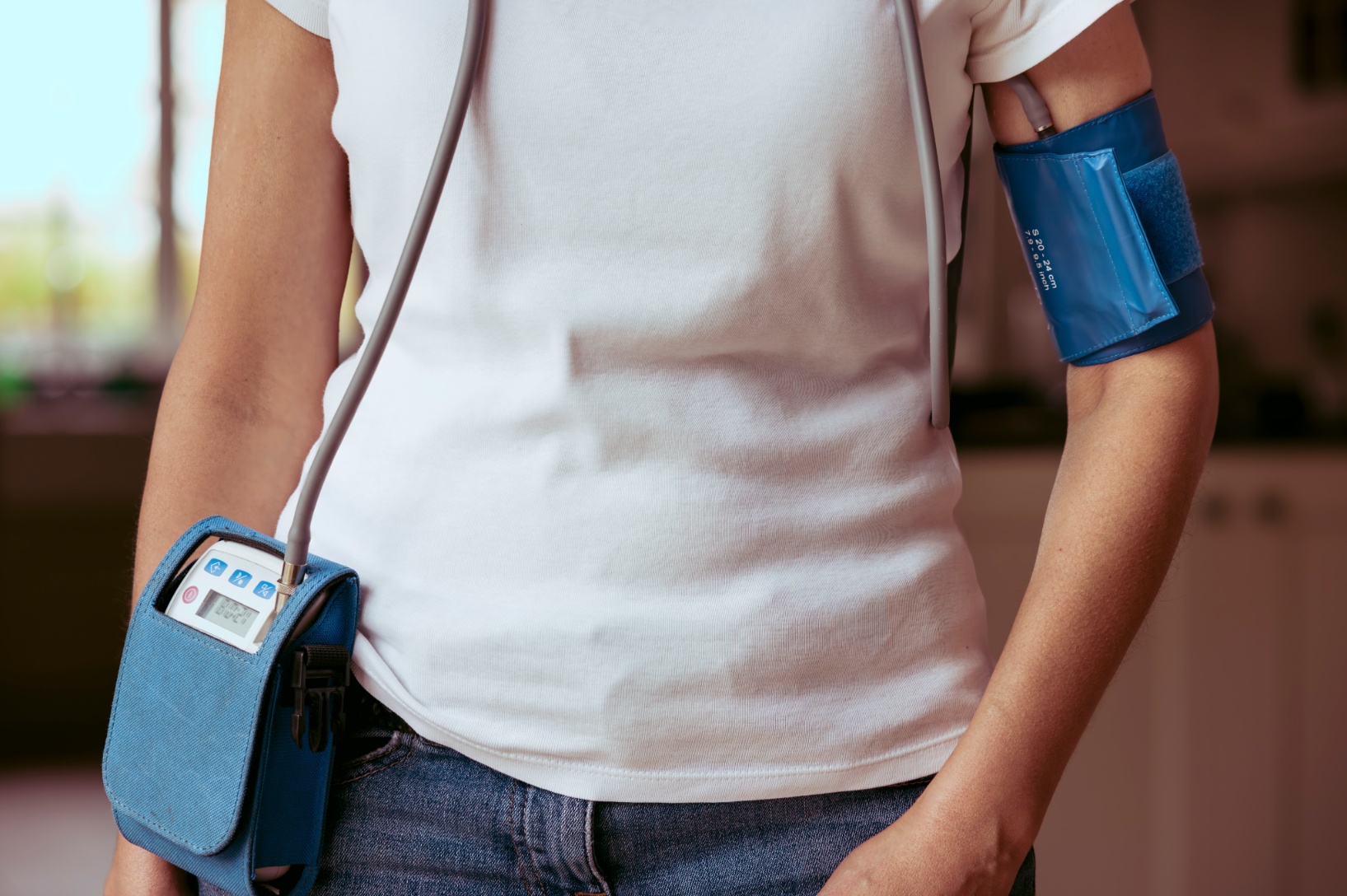
The ABPM device consists of two main components: a small, portable monitor (about the size of a smartphone) that you wear on your belt or in a pouch, and an inflatable blood pressure cuff secured around your upper arm. The monitor automatically inflates the cuff and records measurements at regular intervals, typically every 15-30 minutes during waking hours and every 30-60 minutes during sleep.
According to recent clinical research, ABPM records approximately 70-100 blood pressure readings over the 24-hour period, creating a detailed map of blood pressure variability throughout the day. This comprehensive data collection is what makes ABPM significantly more accurate than sporadic office measurements.
Why 24 Hours Matters
Blood pressure naturally fluctuates throughout the day based on activity level, stress, sleep, and circadian rhythms. A 24-hour monitoring period captures these variations, providing clinicians with critical information about blood pressure patterns that single office visits cannot reveal.
How to Use an Ambulatory Blood Pressure Monitoring Device
Proper use of the ABPM device is essential for obtaining accurate, reliable results. Your healthcare provider will fit the device and provide instructions, but understanding the process helps ensure a successful monitoring period.
Step-by-Step Patient Instructions
Before the Test:
- Wear loose-fitting clothing with short sleeves or sleeves that can be easily rolled up
- Continue taking your regular medications unless your doctor advises otherwise
- Maintain your normal daily routine during the monitoring period
- Prepare an activity diary to record times of meals, medications, sleep, and any stressful events
During the Monitoring Period:
- Keep your arm still and relaxed when the device begins measuring (you’ll feel the cuff inflate)
- Avoid bathing or showering while wearing the device, as it is not waterproof
- Continue normal activities, but avoid vigorous exercise that could dislodge the cuff
- Sleep in your usual position, though you may need to adjust slightly to accommodate the device
- Record the time you go to bed and wake up in your activity diary
- Note any unusual symptoms or events during the monitoring period
Troubleshooting Tips
If the cuff inflates but doesn’t record a reading, the monitor will automatically try again. If readings consistently fail, check that the cuff is positioned correctly (about one inch above the elbow crease). Contact your healthcare provider if problems persist.
The device typically records blood pressure 3 times per hour while you’re awake and 2 times per hour during sleep. This frequency provides sufficient data for clinical interpretation while minimizing sleep disturbance.
Diagnostic Thresholds and Interpretation of ABPM Results
Understanding ABPM results requires knowledge of established diagnostic thresholds that differ from traditional office blood pressure criteria. These specialized thresholds account for the fact that blood pressure measured during normal activities tends to be lower than readings taken in a clinical setting.
Standard Diagnostic Thresholds
| Measurement Period | Normal Range | Hypertension Threshold |
|---|---|---|
| 24-hour average | <130/80 mmHg | ≥130/80 mmHg |
| Daytime (awake) | <135/85 mmHg | ≥135/85 mmHg |
| Nighttime (sleep) | <120/70 mmHg | ≥120/70 mmHg |
These thresholds are based on extensive research demonstrating that ABPM values predict cardiovascular risk more accurately than office measurements. The 2025 Thai Hypertension Society guidelines and international consensus statements support these diagnostic criteria.
Understanding Dipping Patterns
One of the most valuable insights from ABPM is the nighttime dipping pattern. In healthy individuals, blood pressure naturally decreases by 10-20% during sleep compared to daytime values. This physiological pattern is called “dipping,” and it’s an important indicator of cardiovascular health.
| Dipping Pattern | Definition | Clinical Significance |
|---|---|---|
| Normal Dipper | 10-20% nocturnal BP decrease | Normal cardiovascular risk |
| Non-Dipper | <10% nocturnal BP decrease | Increased cardiovascular risk |
| Extreme Dipper | >20% nocturnal BP decrease | Potential stroke risk |
| Reverse Dipper | Nighttime BP higher than daytime | Significantly increased cardiovascular risk |
Research has consistently shown that non-dippers and reverse dippers face significantly higher risks of stroke, heart attack, and cardiovascular mortality compared to normal dippers, even when average blood pressure levels are similar.
Circulatory Phenotypes and Personalized Treatment
Recent research has identified distinct circulatory phenotypes using ABPM data that help guide personalized hypertension management. These phenotypes consider not just blood pressure levels, but also variability patterns, heart rate responses, and circadian rhythm characteristics. This advanced analysis enables clinicians to tailor treatment strategies to individual patient profiles, potentially improving outcomes.
Clinical Importance: Detecting White Coat and Masked Hypertension
One of ABPM’s most valuable clinical applications is identifying two important hypertension phenotypes that office blood pressure measurements routinely miss: white coat hypertension and masked hypertension.
White Coat Hypertension
White coat hypertension occurs when patients consistently show elevated blood pressure in clinical settings but maintain normal blood pressure during daily activities and sleep. This phenomenon affects approximately 15-30% of patients with elevated office readings and is believed to result from anxiety or stress associated with medical visits.
Office blood pressure ≥140/90 mmHg AND 24-hour ABPM average <130/80 mmHg OR daytime average <135/85 mmHg
While traditionally considered benign, recent studies suggest that white coat hypertension may still carry increased cardiovascular risk compared to sustained normotension, though significantly less than sustained hypertension. ABPM helps avoid unnecessary medication in these patients while enabling appropriate monitoring.
Masked Hypertension
Masked hypertension presents the opposite pattern and potentially greater danger: normal office blood pressure readings despite elevated blood pressure during daily activities. This condition affects approximately 10-15% of the general population and carries cardiovascular risk similar to sustained hypertension.
Office blood pressure <140/90 mmHg AND 24-hour ABPM average ≥130/80 mmHg OR daytime average ≥135/85 mmHg
Masked hypertension is particularly concerning because affected individuals often remain undiagnosed and untreated, facing increased risk of cardiovascular events without realizing it. Research on hypertension misclassification demonstrates that office measurements alone miss a substantial proportion of these high-risk patients.
Comparing ABPM with Office and Home Blood Pressure Monitoring
Understanding the strengths and limitations of different blood pressure measurement methods helps patients and clinicians choose the most appropriate approach for diagnosis and monitoring.
Office Blood Pressure Measurement
Advantages:
- Quick and convenient during routine medical visits
- Performed by trained healthcare professionals
- No cost to patient beyond the office visit
- Standardized technique and calibrated equipment
Limitations:
- Single snapshot that may not represent typical blood pressure
- Susceptible to white coat effect
- Cannot detect masked hypertension
- Provides no information about blood pressure variability or nocturnal patterns
- Less predictive of cardiovascular outcomes than ABPM
Home Blood Pressure Monitoring
Advantages:
- Multiple readings in familiar environment reduce white coat effect
- Cost-effective with one-time device purchase
- Enables long-term monitoring and treatment adjustment
- Improves patient engagement in hypertension management
- More readings over time than office measurements
Limitations:
- Requires patient training and adherence
- Accuracy depends on device quality and proper technique
- Typically does not capture nighttime blood pressure
- No recording during work or high-stress activities
- Potential for selective reporting of readings
24-Hour Ambulatory Blood Pressure Monitoring
Advantages:
- Most accurate predictor of cardiovascular outcomes and mortality
- Detects both white coat and masked hypertension
- Captures nighttime blood pressure and dipping patterns
- Assesses blood pressure variability throughout daily activities
- Provides comprehensive data for treatment decisions
- Eliminates patient bias in recording
Limitations:
- More expensive than other methods (though cost-effective long-term)
- May cause sleep disturbance or discomfort
- Temporary inconvenience wearing the device
- Limited availability in some healthcare settings
- Single 24-hour assessment may not represent long-term patterns
A comparative study in pregnant women with preeclampsia demonstrated that ABPM provided significantly better diagnostic accuracy than either office or home measurements, highlighting its superior clinical value in high-risk populations.
Complementary Approaches
These methods are not mutually exclusive. Many hypertension specialists recommend ABPM for initial diagnosis and classification, followed by home blood pressure monitoring for ongoing management and treatment adjustment, with periodic office visits for comprehensive assessment.
Cost Effectiveness and Practical Considerations of ABPM
While ABPM involves higher upfront costs than traditional blood pressure measurement, extensive research demonstrates its cost-effectiveness through improved diagnostic accuracy and treatment decisions.
Healthcare Economic Impact
The primary cost savings from ABPM arise from preventing both overtreatment and undertreatment of hypertension:
- Avoiding unnecessary medication: Identifying white coat hypertension prevents lifelong treatment in patients who don’t need it, saving medication costs and avoiding potential side effects
- Detecting hidden hypertension: Finding masked hypertension enables early treatment, potentially preventing costly cardiovascular events
- Better risk stratification: Accurate classification guides appropriate treatment intensity, avoiding both under-treatment and over-treatment
- Reduced healthcare utilization: Fewer emergency visits and hospitalizations from better-controlled blood pressure
According to cost-effectiveness analyses, ABPM in primary care settings produces net healthcare savings within 1-2 years through these mechanisms, making it a valuable investment despite initial costs.
When Should ABPM Be Repeated?
Clinical guidelines recommend different repeat testing intervals based on individual circumstances:
- White coat hypertension: Repeat ABPM every 1-2 years to monitor for progression to sustained hypertension
- Masked hypertension: More frequent reassessment (every 3-6 months initially) after starting treatment
- Resistant hypertension: ABPM helps confirm true treatment resistance versus white coat effect, with repeat testing to assess treatment changes
- Treatment adjustment: ABPM may be valuable after major medication changes to verify 24-hour control
- High-risk populations: More frequent monitoring for patients with diabetes, chronic kidney disease, or cardiovascular disease
Accessibility and Implementation Challenges
Despite its clinical value, ABPM faces implementation barriers in some healthcare systems:
- Limited device availability in primary care settings
- Need for staff training in device application and data interpretation
- Insurance coverage varies by region and indication
- Patient acceptance and adherence to 24-hour monitoring
Healthcare systems that have successfully implemented ABPM programs typically employ dedicated staff for device management, standardized protocols for data interpretation, and clear referral pathways from primary care to hypertension specialists.
Future Directions and Emerging Technologies in Ambulatory Blood Pressure Monitoring
The field of ambulatory blood pressure monitoring is rapidly evolving, with several promising technologies on the horizon that may transform hypertension management.
Cuffless Blood Pressure Monitoring Devices
Traditional ABPM devices rely on inflatable cuffs that can cause discomfort and sleep disturbance. Emerging cuffless technologies use alternative methods to estimate blood pressure continuously:
- Pulse wave analysis: Analyzing the shape and timing of arterial pulse waves to estimate blood pressure
- Photoplethysmography (PPG): Using optical sensors to detect blood volume changes
- Tonometry: Measuring pressure at the skin surface over arteries
- Bioimpedance: Assessing electrical resistance changes in tissues
According to Harvard Medical School research on cuffless devices, these technologies show promise but currently face validation challenges. Recent evaluation studies demonstrate that while cuffless monitors offer improved comfort, accuracy remains variable compared to traditional ABPM.
Clinical Validation Status
Most cuffless devices have not yet achieved the rigorous clinical validation required for diagnostic use. They may be valuable for trend monitoring but should not replace validated ABPM devices for diagnostic decisions until further research confirms their accuracy.
Wearable Sensors and Continuous Monitoring
Integration of blood pressure monitoring into wearable devices like smartwatches could revolutionize long-term hypertension management by enabling:
- Continuous or near-continuous blood pressure tracking
- Automatic detection of concerning patterns or trends
- Real-time feedback to patients and healthcare providers
- Correlation with other health metrics (activity, sleep, heart rate)
- Long-term data collection across weeks or months
These extended monitoring periods could provide insights beyond what single 24-hour ABPM sessions can reveal, potentially identifying patterns that emerge over longer timeframes.
Artificial Intelligence and Data Interpretation
The large datasets generated by ambulatory blood pressure monitoring are ideal for artificial intelligence (AI) applications. Research on AI in ABPM interpretation explores several promising directions:
- Pattern recognition: Automatically identifying clinically significant blood pressure patterns and phenotypes
- Risk prediction: Using machine learning to predict cardiovascular events from ABPM data
- Treatment optimization: Suggesting personalized treatment strategies based on individual blood pressure profiles
- Quality control: Identifying erroneous readings and data quality issues
- Decision support: Providing evidence-based recommendations to clinicians
As these AI systems are trained on larger datasets and validated in clinical trials, they may enhance the clinical value of ABPM by extracting insights that human analysis might miss and supporting more personalized hypertension management.
Digital Health Integration
Future ABPM systems will likely integrate seamlessly with electronic health records, patient portals, and telemedicine platforms, enabling:
- Automatic data upload and interpretation upon device return
- Real-time monitoring of patients during the ABPM session
- Remote consultation based on ABPM results without office visits
- Integration with other health data for comprehensive risk assessment
- Patient access to their own data with educational resources
These developments could improve ABPM accessibility and efficiency while enhancing patient engagement in hypertension management.
Frequently Asked Questions About 24-Hour ABPM
24-hour ABPM uses a portable device worn on your belt and a blood pressure cuff on your arm to automatically measure and record blood pressure at regular intervals throughout day and night. The device typically takes readings every 15-30 minutes while awake and every 30-60 minutes during sleep, collecting 70-100 measurements over the monitoring period.
ABPM provides superior diagnostic accuracy because it captures blood pressure during normal daily activities and sleep, eliminates white coat effect, detects masked hypertension, reveals nighttime blood pressure patterns, and better predicts cardiovascular outcomes. Multiple studies demonstrate that ABPM is a stronger predictor of stroke, heart attack, and mortality than office measurements.
Normal ABPM values are: 24-hour average below 130/80 mmHg, daytime (awake) average below 135/85 mmHg, and nighttime (sleep) average below 120/70 mmHg. These thresholds differ from office blood pressure criteria and are based on research showing optimal cardiovascular risk prediction at these levels.
Wear loose-fitting clothing with sleeves that can be rolled up, continue your regular medications unless instructed otherwise, maintain your normal daily routine, and prepare an activity diary. During monitoring, keep your arm still when the cuff inflates, avoid bathing (the device isn’t waterproof), continue normal activities while avoiding vigorous exercise, and record sleep times and any unusual events.
White coat hypertension occurs when blood pressure is elevated in medical settings (≥140/90 mmHg) but normal during daily activities and sleep (24-hour average <130/80 mmHg). ABPM detects this by measuring blood pressure outside the clinical environment, revealing the true blood pressure pattern during normal life.
Masked hypertension is the opposite of white coat hypertension: normal office blood pressure (<140/90 mmHg) despite elevated blood pressure during daily activities (24-hour average ≥130/80 mmHg). This condition is dangerous because it often goes undiagnosed and untreated, yet carries cardiovascular risk similar to sustained hypertension. ABPM is essential for detecting this hidden condition.
Recommended frequency depends on your situation: white coat hypertension should be reassessed every 1-2 years; masked hypertension may require repeat testing every 3-6 months initially after starting treatment; resistant hypertension benefits from ABPM to verify treatment response; and high-risk patients with diabetes or cardiovascular disease may need more frequent monitoring as determined by their healthcare provider.
ABPM is generally very safe with minimal risks. Possible discomforts include temporary arm soreness or bruising from repeated cuff inflation, sleep disturbance from nighttime measurements, mild skin irritation under the cuff, and inconvenience of wearing the device. These effects are temporary and resolve once monitoring is complete. Serious adverse events are extremely rare.
Yes, ABPM is valuable and safe in pregnancy, particularly for diagnosing and monitoring preeclampsia and gestational hypertension. Research shows ABPM provides more accurate diagnosis than office measurements in pregnant women. It’s also useful in other special populations including children, elderly patients, and those with diabetes or chronic kidney disease, though interpretation may require specialized expertise.
Emerging technologies include cuffless blood pressure monitors using pulse wave analysis or optical sensors, wearable devices enabling continuous monitoring over extended periods, artificial intelligence for automated pattern recognition and risk prediction, and integration with digital health platforms for seamless data sharing and remote consultation. While promising, most of these technologies are still undergoing validation before widespread clinical adoption.
Conclusion: The Critical Role of ABPM in Modern Hypertension Management
24-hour ambulatory blood pressure monitoring represents a significant advance in hypertension diagnosis and management, providing information that office and home measurements cannot capture. By revealing blood pressure patterns throughout the day and night, detecting white coat and masked hypertension, and predicting cardiovascular risk more accurately than other measurement methods, ABPM has become an indispensable tool in modern cardiovascular medicine.
The evidence supporting ABPM’s clinical value continues to grow, with large cohort studies demonstrating its superior prediction of mortality and cardiovascular events. As technology advances and accessibility improves, ABPM is likely to play an even greater role in personalized hypertension management, enabling treatment strategies tailored to individual blood pressure phenotypes and risk profiles.
For patients undergoing hypertension evaluation, understanding ABPM’s purpose, proper device use, and result interpretation empowers more informed discussions with healthcare providers and better engagement in blood pressure management. For clinicians, incorporating ABPM into diagnostic algorithms improves accuracy, reduces misclassification, and guides more effective treatment decisions.
Take Action
If you have borderline high blood pressure, discrepancies between office and home readings, or hypertension that’s difficult to control, ask your healthcare provider whether 24-hour ambulatory blood pressure monitoring might be appropriate for your situation. Better diagnosis leads to better treatment and improved cardiovascular health outcomes.
References
- University of Wisconsin OBGYN. “24 Hour Ambulatory Blood Pressure Monitoring – Patient Instructions.” https://www.obgyn.wisc.edu/stac/media/Page%20Files/STAC%20Handouts/24HourAmbulatoryBloodPressureMonitoring.pdf
- Cheng HM, et al. “Circulatory phenotypes identified by ambulatory blood pressure monitoring.” PubMed. 2024. https://pubmed.ncbi.nlm.nih.gov/41039750/
- Thai Hypertension Society. “2025 Guidelines on Ambulatory Blood Pressure Monitoring.” PMC. https://pmc.ncbi.nlm.nih.gov/articles/PMC12441311/
- Webster R, et al. “Comparative study of office, home, and ambulatory blood pressure monitoring in pregnancy with preeclampsia.” PubMed. 2024. https://pubmed.ncbi.nlm.nih.gov/40590313/
- Cohen JB. “Differences between office and ambulatory blood pressure: clinical measurement challenges.” JAMA Internal Medicine. PMC. https://pmc.ncbi.nlm.nih.gov/articles/PMC11935189/
- Park S, et al. “Evaluation of cuffless blood pressure monitors versus ambulatory blood pressure monitoring.” PubMed. 2024. https://pubmed.ncbi.nlm.nih.gov/39927495/
- Drawz PE, et al. “Misclassification of hypertension by office versus ambulatory blood pressure monitoring.” PubMed. 2024. https://pubmed.ncbi.nlm.nih.gov/40433133/
- Martinez-Rios E, et al. “Role of artificial intelligence in clinical interpretation of ambulatory blood pressure monitoring.” PubMed. 2024. https://pubmed.ncbi.nlm.nih.gov/40093710/
- Harvard Medical School. “The future of blood pressure monitoring: cuffless devices.” Harvard Health Publishing. https://www.health.harvard.edu/heart-health/the-future-of-blood-pressure-monitoring-cuffless-devices
- Shimbo D, et al. “Review on ambulatory blood pressure monitoring and home blood pressure monitoring status in the United States.” PubMed. 2023. https://pubmed.ncbi.nlm.nih.gov/36604475/
- Banegas JR, et al. “Large cohort study on ambulatory blood pressure monitoring and mortality.” PubMed. 2023. https://pubmed.ncbi.nlm.nih.gov/37156250/
Disclaimer:
The information provided on MD-Pilot is for educational and informational purposes only. It is not intended as a substitute for professional medical advice, diagnosis, or treatment. Always seek the advice of your physician or other qualified healthcare provider with any questions you may have regarding a medical condition. Never disregard professional medical advice or delay in seeking it because of something you have read on this website.



Weekly Health Intel
Get evidence-based health tips, latest research, and exclusive guides delivered weekly