


Table Of Contents
-
Quick Answer
-
Key Highlights
- What Are Fast Acting Carbohydrates? Understanding Simple vs Complex Carbs
- The Role of Fast Acting Carbohydrates in Hypoglycemia Treatment and Diabetes Management
- Fast Acting Carbohydrates for Athletes: Timing, Types, and Performance Benefits
- How Fast Acting Carbohydrates Influence Cognitive Function and Brain Health
- Nutrient Timing and Hormonal Responses to Fast Acting Carbohydrates
- Personalized Fast Acting Carbohydrate Strategies: Age, Sex, and Environmental Considerations
- Optimizing Fast Acting Carbohydrate Intake During Fasting and Metabolic Switching
-
Frequently Asked Questions
-
Conclusion: Mastering Fast Acting Carbohydrates for Optimal Health
-
References
Quick Answer
Fast acting carbohydrates are simple sugars like glucose and sucrose that rapidly increase blood sugar levels within 15 minutes. They’re essential for treating hypoglycemia, fueling athletic performance, and supporting cognitive function. Common sources include glucose tablets, sports drinks, honey, and white bread. Understanding when and how to use these quick-digesting carbs can optimize your health outcomes across multiple domains.
Key Highlights
- Fast acting carbohydrates rapidly increase blood sugar and provide immediate energy, making them critical for hypoglycemia treatment
- The “rule of 15” (consume 15g carbs, recheck blood glucose in 15 minutes) is the clinical standard for treating low blood sugar
- Athletes benefit from fast acting carbs through rapid muscle glycogen replenishment and sustained performance during prolonged activity
- Combining glucose and fructose enhances absorption rates up to 1.5 g/min and reduces gastrointestinal discomfort compared to glucose alone
- Fast acting carbs provide immediate brain energy, while complex carbohydrates support sustained cognitive performance
- Pre-fast meal composition influences time-to-ketosis by up to 12 hours, with low-carb/high-fat meals accelerating metabolic switching
- Hormonal responses including insulin, glucagon, and incretins differ based on carbohydrate type and influence metabolic outcomes
What Are Fast Acting Carbohydrates? Understanding Simple vs Complex Carbs
Fast acting carbohydrates, also known as simple carbohydrates, are sugar molecules that your body can break down and absorb quickly. Unlike their complex counterparts, these carbohydrates require minimal digestion and can raise blood glucose levels within 15 minutes of consumption.
The key distinction lies in molecular structure. Simple carbohydrates consist of one or two sugar units (monosaccharides and disaccharides), while complex carbohydrates contain longer chains of sugar molecules that take more time to break down.
Understanding the Glycemic Index
The glycemic index (GI) measures how quickly a carbohydrate-containing food raises blood sugar levels on a scale from 0 to 100. Foods are classified as:
- High GI (70-100): Rapidly absorbed, causing quick blood sugar spikes
- Medium GI (56-69): Moderate absorption rate
- Low GI (55 or below): Slow, steady absorption with minimal blood sugar impact
| Carbohydrate Type | Examples | Glycemic Index | Absorption Time |
|---|---|---|---|
| Simple Sugars | Glucose tablets, honey, sports drinks | High (70+) | 15-20 minutes |
| Refined Grains | White bread, white rice, crackers | High (70+) | 30-45 minutes |
| Complex Carbs | Whole grains, legumes, vegetables | Low-Medium (30-60) | 1-2 hours |
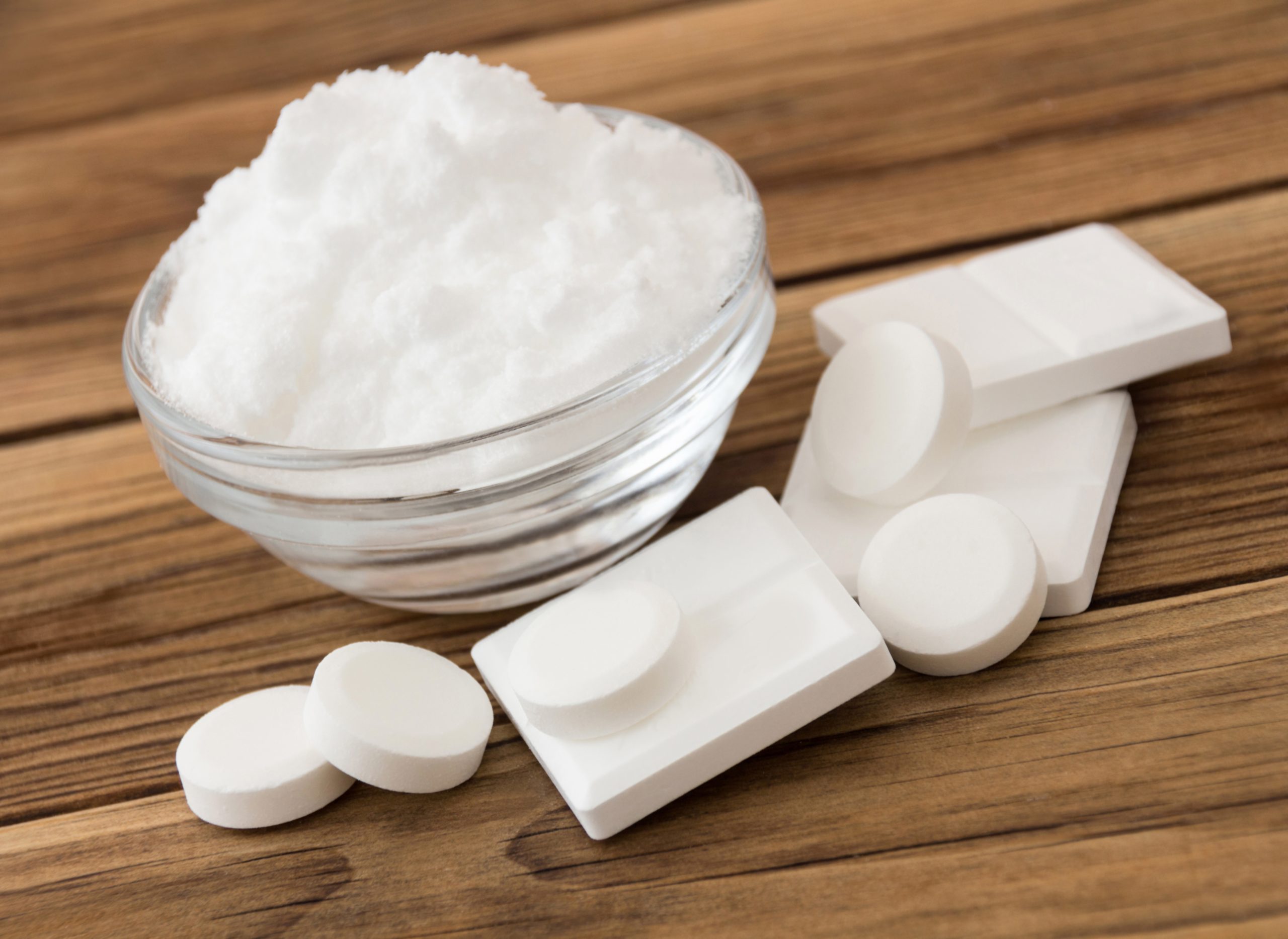
Common sources of fast acting carbohydrates include glucose tablets, fruit juice, regular soda, candy, honey, white bread, and sports nutrition products like gels and drinks. These foods become invaluable tools when rapid blood sugar elevation is medically necessary or performance-critical.
The Role of Fast Acting Carbohydrates in Hypoglycemia Treatment and Diabetes Management
For individuals with diabetes, fast acting carbohydrates serve as a critical medical intervention. Hypoglycemia occurs when blood glucose drops below 70 mg/dL, causing symptoms ranging from shakiness and confusion to loss of consciousness in severe cases.
The Rule of 15: Clinical Protocol for Hypoglycemia
Medical professionals recommend the “rule of 15” as the standard treatment protocol:
- Consume exactly 15 grams of fast acting carbohydrates
- Wait 15 minutes
- Recheck blood glucose levels
- If still below 70 mg/dL, repeat the process
Clinical Guidelines
The American Diabetes Association recommends glucose tablets as the preferred treatment for hypoglycemia because they provide a precise 15g dose and act within 15 minutes. Alternative options include 4 ounces of fruit juice, 6 ounces of regular soda, or 1 tablespoon of honey.
Fast acting carbohydrates trigger rapid insulin release and glucose uptake by cells, quickly restoring normal blood sugar levels. However, this hormonal cascade must be carefully managed to avoid rebound hyperglycemia or overcorrection.
Blood Sugar Monitoring Strategies
Continuous glucose monitoring (CGM) technology has revolutionized diabetes management by providing real-time blood sugar data. These devices help individuals identify patterns, optimize carbohydrate intake timing, and prevent both hypoglycemic and hyperglycemic episodes.
Fast Acting Carbohydrates for Athletes: Timing, Types, and Performance Benefits
Athletic performance depends heavily on muscle glycogen stores, which serve as the primary fuel source during high-intensity exercise. Fast acting carbohydrates play three critical roles in sports nutrition: pre-exercise fueling, during-exercise energy maintenance, and post-exercise recovery.
Carbohydrate Loading and Glycogen Replenishment
Research shows that post-exercise carbohydrate intake of 1.0-1.2 g/kg body weight per hour for 4 hours maximizes glycogen resynthesis. For a 70 kg athlete, this translates to 70-84 grams of carbohydrates per hour immediately following training.
The timing window matters significantly. Muscle cells are most receptive to glucose uptake in the first 30 minutes after exercise when insulin sensitivity peaks and glucose transporters are highly active.
The Glucose-Fructose Advantage
One of the most significant advances in sports nutrition involves combining different types of simple sugars. While glucose alone can be oxidized at rates up to 1.0-1.2 g/min, combining glucose with fructose increases oxidation rates to approximately 1.5 g/min.
Performance Insight
Glucose-fructose mixtures (typically 2:1 ratio) utilize different intestinal transporters, allowing greater total carbohydrate absorption and reducing gastrointestinal distress during endurance events. This strategy has become standard for ultra-endurance athletes consuming 60-90g carbohydrates per hour.
| Exercise Duration | Recommended Carb Intake | Best Carb Type |
|---|---|---|
| Less than 45 minutes | None required | Pre-exercise meal sufficient |
| 45-75 minutes | Small amounts, mouth rinse | Any simple carb |
| 1-2.5 hours | 30-60g per hour | Glucose or glucose-fructose |
| Over 2.5 hours | Up to 90g per hour | Glucose-fructose mixture (2:1) |
Supplement Synergy: Protein, Sodium, and Caffeine
Fast acting carbohydrates work synergistically with other nutrients to enhance recovery and performance:
- Protein co-ingestion: Adding 20-40g of protein to post-exercise carbohydrates enhances muscle protein synthesis and may improve glycogen storage
- Sodium: Including 0.5-0.7g sodium per liter aids glucose absorption in the intestines and maintains electrolyte balance
- Caffeine: Consuming 3-6 mg/kg body weight 30-60 minutes pre-exercise may enhance glycogen recovery when combined with carbohydrates
Managing Gastrointestinal Tolerance
Approximately 30-50% of endurance athletes experience GI distress during competition, often related to high carbohydrate intake. Gut-training protocols involving gradual increases in carbohydrate consumption during training can improve tolerance and absorption capacity.
Strategies include starting with 30-40g carbohydrates per hour and progressively increasing intake over 4-8 weeks, allowing intestinal adaptation. Athletes who struggle with solid foods during exercise often benefit from liquid carbohydrate sources or gels.
How Fast Acting Carbohydrates Influence Cognitive Function and Brain Health
Your brain consumes approximately 120 grams of glucose daily, representing 20% of total energy expenditure despite accounting for only 2% of body weight. This metabolic demand makes carbohydrate availability critical for optimal cognitive function.
Brain Glucose Metabolism and Energy Demands
Unlike muscle tissue, the brain cannot store significant glucose reserves and depends on continuous blood glucose supply. When blood sugar drops, cognitive performance declines measurably, affecting attention, working memory, and decision-making.
Fast acting carbohydrates provide immediate brain energy during acute hypoglycemia, restoring cognitive function within 15-30 minutes. However, the type of carbohydrate consumed influences sustained mental performance.
Simple vs Complex Carbs: Mood and Cognition
Research demonstrates that while simple carbohydrates quickly elevate mood and alertness, they may also contribute to subsequent crashes as blood sugar drops. Complex carbohydrates provide more stable blood glucose levels, supporting sustained cognitive performance over several hours.
Cognitive Consideration
High glycemic index meals can trigger rapid insulin responses that may overshoot, causing reactive hypoglycemia 2-4 hours post-consumption. This phenomenon can impair concentration and increase irritability, particularly in insulin-sensitive individuals.
The Gut-Brain Axis and Dietary Fiber
Emerging research reveals that carbohydrate choices influence brain health through the gut microbiome. Dietary fiber from complex carbohydrates serves as a prebiotic, promoting beneficial bacteria that produce short-chain fatty acids (SCFAs). These compounds cross the blood-brain barrier and influence neurotransmitter synthesis, including serotonin and dopamine.
While fast acting carbohydrates don’t directly contribute to fiber intake, balancing simple and complex carb sources throughout the day optimizes both immediate cognitive function and long-term brain health.
Nutrient Timing and Hormonal Responses to Fast Acting Carbohydrates
The timing and type of carbohydrate consumption triggers distinct hormonal cascades that influence metabolic outcomes far beyond simple blood sugar changes.
Insulin, Glucagon, and Incretin Responses
Fast acting carbohydrates stimulate rapid insulin secretion from pancreatic beta cells. Insulin facilitates glucose uptake by muscle, liver, and fat tissue while simultaneously suppressing glucagon release, which would otherwise promote glucose production.
The incretin hormones GLP-1 (glucagon-like peptide-1) and GIP (glucose-dependent insulinotropic polypeptide) amplify insulin secretion in response to oral carbohydrate intake. Interestingly, meals containing both carbohydrates and fats trigger greater incretin release than carbohydrates alone, potentially improving glycemic control.
Metabolic Switching and Ketosis
Carbohydrate intake directly opposes ketone production by maintaining insulin levels and providing glucose for energy. During fasting or very low-carb diets, insulin drops, allowing fat breakdown and ketone synthesis.
Research on pre-fast meal composition reveals striking effects on metabolic switching. Individuals consuming low-carb/high-fat meals before initiating a fast reach ketosis approximately 12 hours faster than those eating high-carb meals, demonstrating how carbohydrate timing influences metabolic flexibility.
| Pre-Fast Meal Type | Time to Ketosis | Insulin Response | Fat Oxidation | |
|---|---|---|---|---|
| High-carb (70% carbs) | 36-48 hours | High, prolonged | Delayed onset | |
| Moderate (40% carbs) | 24-30 hours | Moderate | Gradual increase | |
| Low-carb/high-fat (10% carbs) | 12-18 hours | Minimal, brief | Rapid acceleration |
Implications for Intermittent Fasting
For individuals practicing intermittent fasting, strategically limiting fast acting carbohydrates before fasting windows can accelerate metabolic benefits. This approach may be particularly valuable for older, overweight, or sedentary adults seeking improved insulin sensitivity and fat oxidation.
Personalized Fast Acting Carbohydrate Strategies: Age, Sex, and Environmental Considerations
Optimal carbohydrate strategies vary dramatically based on individual characteristics and environmental conditions. Understanding these variables allows for precise nutritional personalization.
Age-Related Metabolic Changes
Aging affects carbohydrate metabolism through multiple mechanisms. Older adults often experience decreased insulin sensitivity, reduced muscle mass (lowering glucose storage capacity), and altered incretin hormone responses. These changes may necessitate smaller, more frequent carbohydrate doses and greater reliance on low-glycemic options to maintain stable blood sugar.
Sex Differences and Menstrual Cycle Effects
Women metabolize carbohydrates differently across the menstrual cycle. During the luteal phase (post-ovulation), progesterone increases insulin resistance, potentially requiring adjusted carbohydrate timing or amounts. Female athletes may benefit from higher carbohydrate intake during this phase to maintain performance and prevent relative energy deficiency in sport (RED-S), which affects approximately 80% of endurance athletes.
Environmental Extremes: Heat, Cold, and Altitude
Environmental conditions dramatically influence carbohydrate utilization:
- Heat: Increases endogenous carbohydrate oxidation by 25% while decreasing exogenous carbohydrate oxidation by 10%, requiring higher intake rates to maintain energy availability
- Cold: Elevates resting metabolic rate and carbohydrate demand for thermogenesis, potentially doubling baseline requirements
- Altitude: Accelerates glycogen depletion and may impair carbohydrate absorption due to reduced oxygen availability
Competitive Anxiety and GI Function
Pre-competition stress activates the sympathetic nervous system, which can slow gastric emptying and reduce intestinal blood flow. Athletes prone to competition anxiety often benefit from easily digestible liquid carbohydrates and practicing race-day nutrition during training to condition GI adaptation.
Optimizing Fast Acting Carbohydrate Intake During Fasting and Metabolic Switching
The relationship between carbohydrate intake and fasting efficacy represents a frontier in metabolic health research, with significant implications for weight management, longevity, and disease prevention.
Pre-Fast Meal Composition and Metabolic Outcomes
Recent research demonstrates that the macronutrient composition of the final meal before fasting profoundly influences metabolic switching efficiency. Low-carbohydrate, high-fat meals minimize insulin secretion and glycogen storage, allowing faster depletion of glucose reserves and earlier ketone production.
This accelerated metabolic switching may enhance autophagy (cellular cleanup), improve insulin sensitivity, and increase fat oxidation compared to high-carbohydrate pre-fast meals. For older, overweight, or sedentary adults, this strategy shows particular promise for improving metabolic markers.
Practical Application
Before initiating a 16-24 hour fast, consider consuming a meal with less than 50g carbohydrates, 20-30g protein, and 30-40g healthy fats. This composition supports satiety during the fast while promoting earlier ketosis onset.
Breaking a Fast: Strategic Carbohydrate Reintroduction
The refeeding period after fasting requires careful carbohydrate management. Consuming excessive fast acting carbohydrates immediately post-fast can trigger dramatic insulin spikes and potential reactive hypoglycemia. Gradual reintroduction with moderate-glycemic carbohydrates paired with protein and fiber optimizes metabolic re-adaptation.
Frequently Asked Questions
Fast acting carbohydrates typically raise blood glucose levels within 15-20 minutes of consumption. Glucose tablets and juice act most rapidly, while foods requiring some digestion like white bread take 30-45 minutes. Individual absorption rates vary based on factors including stomach contents, insulin sensitivity, and metabolic health.
Yes, excessive carbohydrate intake during exercise commonly causes gastrointestinal distress including nausea, cramping, and diarrhea. The intestinal capacity for carbohydrate absorption is approximately 60g per hour for glucose alone, or up to 90g per hour for glucose-fructose mixtures. Exceeding these rates overloads absorption capacity, causing GI problems without additional performance benefit.
No, most healthy individuals do not require fast acting carbohydrates for daily function. They become medically necessary for people with diabetes experiencing hypoglycemia, beneficial for athletes during prolonged high-intensity exercise, and useful for rapid energy needs in specific situations. The majority of carbohydrate intake should come from complex, nutrient-dense sources.
Fast acting carbohydrates can complicate weight management when consumed excessively because they trigger rapid insulin responses that promote fat storage and may not provide lasting satiety. However, strategic use around exercise supports performance and recovery without necessarily causing weight gain. Context and total caloric intake matter more than carbohydrate speed alone.
Glucose tablets are considered the gold standard because they provide a precise 15g dose, act within 15 minutes, and don’t contain fat or protein that would slow absorption. Alternative effective options include 4 ounces of fruit juice or regular soda. Foods containing fat (like chocolate) are less ideal because fat delays glucose absorption.
Yes, research shows that gut-training protocols involving progressive increases in carbohydrate intake during training can improve absorption capacity and reduce GI distress. This adaptation involves upregulation of glucose transporters in the intestinal wall and conditioning of the digestive system to function under exercise stress. The process typically requires 4-8 weeks of consistent practice.
Yes, significantly. Fast acting carbohydrates provide rapid cognitive improvement during acute hypoglycemia but may cause energy crashes 2-4 hours later due to reactive insulin responses. Complex carbohydrates provide more stable blood glucose and sustained cognitive performance over several hours, making them preferable for tasks requiring prolonged concentration.
Research suggests women may benefit from higher carbohydrate intake during the luteal phase (post-ovulation) when progesterone increases insulin resistance. Some female athletes report improved performance and reduced symptoms when increasing carbohydrate consumption by 10-20% during this phase, though individual responses vary significantly.
Conclusion: Mastering Fast Acting Carbohydrates for Optimal Health
Fast acting carbohydrates represent powerful nutritional tools when used strategically. Their ability to rapidly influence blood sugar, fuel athletic performance, support cognitive function, and affect metabolic switching makes them relevant across numerous health domains.
The key to optimal use lies in matching carbohydrate type and timing to specific goals. Medical situations like hypoglycemia require immediate glucose delivery. Athletic performance benefits from precise carbohydrate periodization around training. Metabolic health improves when fast acting carbohydrates are minimized in favor of complex sources, except during strategic exercise windows.
Individual factors including age, sex, metabolic health, and environmental conditions demand personalized approaches rather than one-size-fits-all recommendations. Continuous glucose monitoring, gut-training protocols, and attention to hormonal responses enable increasingly precise nutritional optimization.
As research continues to reveal the intricate connections between carbohydrate timing, metabolic switching, and long-term health outcomes, the importance of intentional carbohydrate strategy becomes ever more apparent. Whether managing diabetes, optimizing athletic performance, or pursuing metabolic health, understanding fast acting carbohydrates empowers informed nutritional decisions.
Take Action
Ready to optimize your carbohydrate strategy? Start by tracking your blood glucose responses to different carbohydrate sources and timing windows. Consider consulting with a registered dietitian or sports nutritionist to develop a personalized plan that aligns with your health goals, activity level, and metabolic profile.
References
- NYU Langone Health. “Carbohydrates & Type 2 Diabetes.” https://med.nyu.edu/departments-institutes/excellence-health-equity/our-pillars/research/center-healthful-behavior-change/connected2care-project/imatter2-study/carbohydrates
- CU Anschutz Health and Wellness. “Understanding Sugar: A Dietitian’s Guide to Smarter Choices.” https://news.cuanschutz.edu/health-and-wellness/understanding-sugar-a-dietitians-guide-to-smarter-choices
- PMC. “Hypoglycemia: Clinical Guidelines and Treatment Protocols.” https://pmc.ncbi.nlm.nih.gov/articles/PMC12547053/
- PMC. “Nutritional Strategies for Weightlifters: Carbohydrate Timing and Supplement Synergy.” https://pmc.ncbi.nlm.nih.gov/articles/PMC11720227/
- PMC. “Nutritional Strategies to Improve Post-exercise Recovery: Carbohydrate and Protein Co-ingestion.” https://pmc.ncbi.nlm.nih.gov/articles/PMC12297025/
- PMC. “Role of Dietary Carbohydrates in Cognitive Function and Brain Health.” https://pmc.ncbi.nlm.nih.gov/articles/PMC12209867/
- PMC. “Carbohydrate Supplementation in Endurance Athletes: Environmental and Individual Factors.” https://pmc.ncbi.nlm.nih.gov/articles/PMC11901785/
- PMC. “Effects of Pre-fast Meal Composition on Time-to-Ketosis and Metabolic Switching in Older Adults.” https://pmc.ncbi.nlm.nih.gov/articles/PMC11998415/
Disclaimer:
The information provided on MD-Pilot is for educational and informational purposes only. It is not intended as a substitute for professional medical advice, diagnosis, or treatment. Always seek the advice of your physician or other qualified healthcare provider with any questions you may have regarding a medical condition. Never disregard professional medical advice or delay in seeking it because of something you have read on this website.



Weekly Health Intel
Get evidence-based health tips, latest research, and exclusive guides delivered weekly