


Table Of Contents
-
Key Highlights
- Best Magnesium Rich Foods for Your Diet
-
Magnesium Content in Common Foods (with Serving Sizes)
- How to Boost Magnesium Absorption with Food Combinations
- The Role of Magnesium in Health: Bone, Heart, and Anxiety
- Magnesium Deficiency: Signs and Food-Based Solutions
- Magnesium Supplements vs Food Sources
-
Frequently Asked Questions
-
Conclusion: Meeting Your Magnesium Needs Through Food
-
References
Quick Answer
The best food sources of magnesium include almonds (80 mg per oz), spinach (78 mg per ½ cup cooked), halibut (24-28 mg per 3 oz), pumpkin seeds, black beans, and whole grains. Most adults need 310-420 mg daily and can meet this requirement through a balanced diet without supplements.
Key Highlights
- Magnesium is essential for over 300 biochemical reactions including nerve, muscle, and bone health
- Top magnesium sources include almonds, cashews, spinach, pumpkin seeds, black beans, and whole grains
- Serving size magnesium content examples: 1 oz almonds (80 mg), 3 oz cooked halibut (24-28 mg), ½ cup cooked spinach (78 mg)
- Combining magnesium-rich foods with vitamin D and healthy fats enhances absorption and health benefits
- Magnesium-rich diets support cardiovascular health, bone density, and may reduce anxiety symptoms
- Magnesium deficiency is rare but can cause muscle cramps, fatigue, and abnormal heart rhythms
- Most people can meet magnesium needs through a balanced diet without supplements
Magnesium is one of the most important minerals your body needs to function properly, yet many people don’t get enough from their diet. This comprehensive guide will show you exactly which foods are richest in magnesium, how much you need, and how to optimize absorption for better health.
Best Magnesium Rich Foods for Your Diet
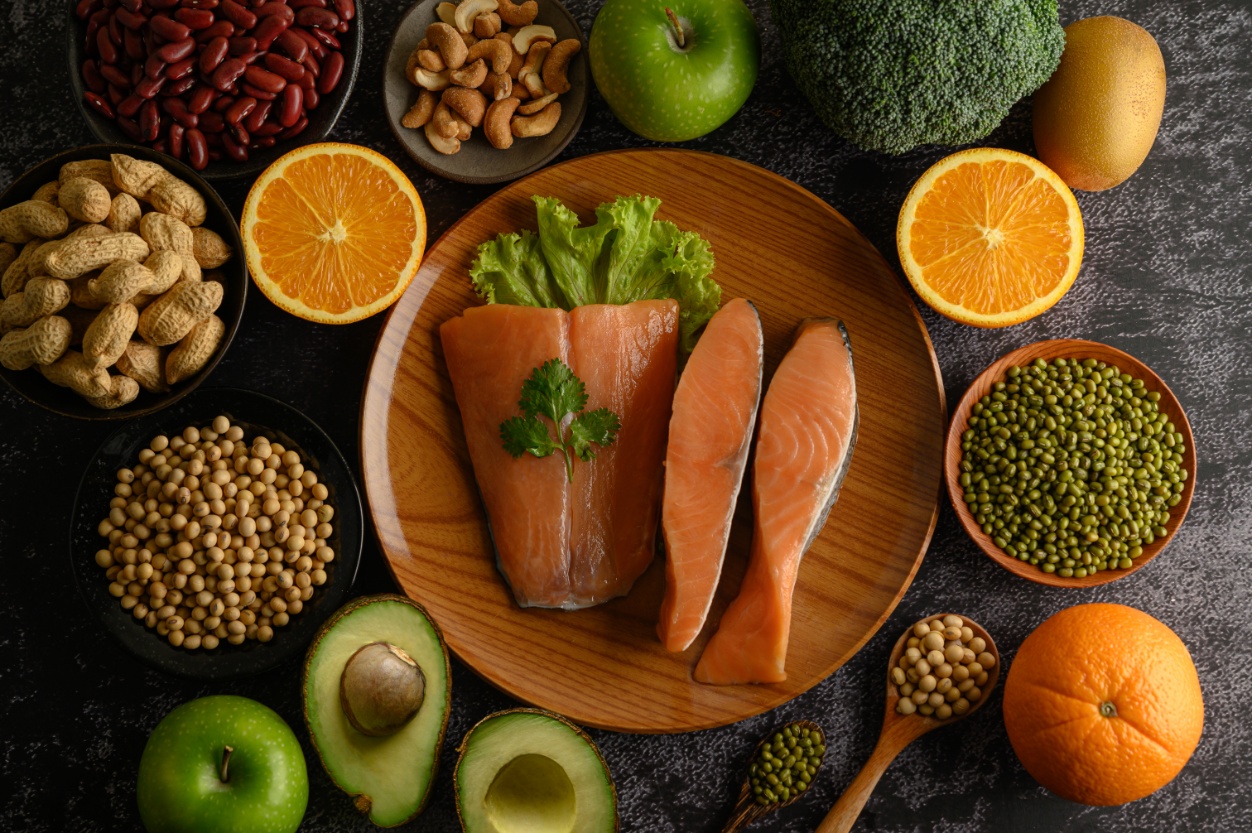
Understanding which food groups contain the highest amounts of magnesium helps you make informed dietary choices. The following categories represent the most concentrated natural sources of this essential mineral.
Nuts and Seeds
Nuts and seeds are among the most magnesium-dense foods available. These portable, nutrient-rich options make excellent snacks and recipe additions. Almonds contain approximately 80 mg of magnesium per ounce, while cashews provide similar amounts. Pumpkin seeds are particularly impressive, offering even higher concentrations of this vital mineral.
Leafy Green Vegetables
Dark leafy greens rank among the best plant-based sources of magnesium. Spinach leads the category with 78 mg per half-cup cooked serving. Other magnesium-rich options include Swiss chard, kale, and collard greens. The chlorophyll molecule in these vegetables contains magnesium at its center, making them naturally abundant in this mineral.
Legumes and Beans
Black beans, kidney beans, and other legumes provide substantial magnesium along with fiber and protein. These versatile foods integrate easily into various cuisines and dietary patterns, making them practical choices for increasing daily magnesium intake.
Whole Grains
Whole grains like oatmeal, quinoa, and brown rice contain magnesium in their outer layers and germ. Processing and refining grains removes much of this magnesium content, which is why whole grain choices are nutritionally superior for meeting mineral needs.
Fish and Seafood
Certain fish varieties provide excellent magnesium content. Halibut delivers 24-28 mg per 3-ounce serving. Other beneficial options include mackerel and pollock, which combine magnesium with heart-healthy omega-3 fatty acids.
Dairy and Fortified Foods
While not the richest sources, dairy products like yogurt and milk contribute to overall magnesium intake. Additionally, some fortified foods and beverages can help individuals meet their daily requirements, though whole food sources generally provide better nutrient synergy.
Magnesium Content in Common Foods (with Serving Sizes)
Precise measurements help you plan meals that meet your magnesium requirements. The following table details magnesium content per standard serving for commonly consumed foods.
| Food | Serving Size | Magnesium Content | % Daily Value |
|---|---|---|---|
| Halibut (cooked) | 3 oz | 24-28 mg | 6-7% |
| Almonds | 1 oz (about 23 nuts) | 80 mg | 20% |
| Cashews | 1 oz | 75 mg | 19% |
| Spinach (cooked) | ½ cup | 78 mg | 20% |
| Pumpkin seeds | 1 oz | 150 mg | 37% |
| Black beans (cooked) | ½ cup | 60 mg | 15% |
| Edamame | ½ cup | 50 mg | 13% |
| Brown rice (cooked) | ½ cup | 40 mg | 10% |
| Oatmeal (instant) | 1 cup | 36 mg | 9% |
| Banana (medium) | 1 whole | 32 mg | 8% |
| Avocado | ½ medium | 29 mg | 7% |
| Dark chocolate (70-85% cacao) | 1 oz | 64 mg | 16% |
Plant-Based Magnesium Sources
Vegetarians and vegans can easily meet magnesium needs through plant-based sources. A combination of spinach, almonds, and banana provides approximately 190 mg of magnesium, representing about 60% of the daily requirement for women and 47% for men.
How to Boost Magnesium Absorption with Food Combinations
Consuming magnesium-rich foods is only part of the equation. Optimizing absorption through strategic food pairings maximizes the benefits of your dietary magnesium intake.
Nutrient Synergy for Enhanced Absorption
Magnesium works synergistically with several other nutrients. Pairing magnesium-rich foods with vitamin D, healthy fats, and certain vitamins improves bioavailability and utilization in the body.
Practical Food Combinations
Spinach salad with olive oil and almonds: This combination provides magnesium from both spinach and almonds, while the healthy fats in olive oil enhance mineral absorption. Adding a vitamin D source like salmon creates an even more powerful nutrient combination for bone health.
Oatmeal with banana and pumpkin seeds: This breakfast delivers magnesium from multiple sources while providing sustained energy. The natural sugars in banana may help with magnesium transport into cells.
Black bean and avocado bowl: Legumes provide magnesium alongside fiber, while avocado contributes healthy fats that support absorption of fat-soluble vitamins that work with magnesium.
Halibut with Swiss chard and quinoa: This complete meal combines high-quality protein, omega-3 fatty acids, and magnesium from multiple sources. The vitamin D naturally present in fish supports magnesium utilization for bone health.
Factors That Affect Absorption
Several dietary and lifestyle factors influence how much magnesium your body absorbs from food:
- Cooking methods: Steaming vegetables preserves more magnesium than boiling, which can leach minerals into cooking water
- Fiber intake: Moderate fiber supports digestive health, but excessive amounts may reduce mineral absorption
- Calcium balance: Very high calcium intake can compete with magnesium absorption, emphasizing the importance of balanced mineral intake
- Alcohol consumption: Excessive alcohol can interfere with magnesium absorption and increase urinary losses
- Vitamin D status: Adequate vitamin D supports magnesium absorption and utilization
The Role of Magnesium in Health: Bone, Heart, and Anxiety
Magnesium participates in over 300 enzymatic reactions throughout the body, making it essential for multiple aspects of health. Understanding these roles helps motivate consistent dietary intake of magnesium-rich foods.
Bone Health and Density
Approximately 50-60% of the body’s magnesium resides in bones, where it contributes to structural development and density. Magnesium influences both bone-building cells (osteoblasts) and the cells that break down bone tissue (osteoclasts). Research indicates that higher magnesium intake correlates with increased bone mineral density in both men and women.
The relationship between magnesium and bone health involves vitamin D metabolism and calcium regulation. Magnesium activates vitamin D, which then supports calcium absorption and bone mineralization. This interconnected system explains why magnesium-rich foods combined with vitamin D sources provide superior bone support.
Cardiovascular Health
Magnesium plays multiple roles in heart health. It helps regulate heart rhythm, supports healthy blood pressure levels, and influences vascular tone. The mineral acts as a natural calcium channel blocker, helping blood vessels relax and reducing strain on the cardiovascular system.
Diets rich in magnesium-containing foods like leafy greens, nuts, and whole grains have been associated with reduced cardiovascular risk in epidemiological studies. The combination of magnesium with other beneficial nutrients in these foods likely contributes to overall heart health benefits.
Mental Well-Being and Anxiety
Emerging research suggests connections between magnesium intake and mental health. Magnesium influences neurotransmitter function and helps regulate the body’s stress response system. Some studies have found associations between higher dietary magnesium intake and reduced anxiety symptoms.
While magnesium alone cannot treat anxiety disorders, ensuring adequate intake through foods like spinach, almonds, and black beans may support overall mental well-being as part of a comprehensive approach to mental health. The relationship between diet quality, nutrient status, and mental health continues to be an active area of research.
Real-World Example
According to Harvard Health research, combining just three foods – spinach, almonds, and banana – provides approximately 190 mg of magnesium, representing about 60% of the daily requirement for women. This practical example demonstrates how easy it can be to meet magnesium needs through whole foods.
Muscle Function and Exercise Performance
Magnesium supports muscle contraction and relaxation, making it essential for physical performance and recovery. During exercise, magnesium requirements may increase by 10-20% depending on activity intensity. Athletes and physically active individuals should pay particular attention to magnesium intake from foods like nuts, seeds, and whole grains.
Magnesium Deficiency: Signs and Food-Based Solutions
While severe magnesium deficiency is relatively uncommon in healthy individuals consuming varied diets, subclinical deficiency may be more prevalent than previously recognized. Understanding the signs and addressing them through dietary modifications can prevent progression to more serious health issues.
Common Deficiency Symptoms
Early signs of inadequate magnesium status may include:
- Muscle cramps and spasms, particularly in the legs
- Fatigue and weakness
- Loss of appetite
- Nausea
- Abnormal heart rhythms in more severe cases
- Numbness or tingling sensations
- Personality changes or mood disturbances
These symptoms are non-specific and can result from various health conditions, so proper medical evaluation is important for accurate diagnosis.
At-Risk Populations
Certain groups face higher risk of magnesium deficiency:
- Older adults, due to reduced absorption and increased urinary losses
- Individuals with gastrointestinal disorders that impair nutrient absorption
- People with type 2 diabetes, particularly those with poor blood sugar control
- Those with chronic alcoholism
- Individuals taking certain medications that increase magnesium losses
Dietary Solutions for Deficiency
The recommended dietary allowance (RDA) for magnesium is 400-420 mg daily for adult men and 310-320 mg daily for adult women. Pregnant women require slightly higher amounts (350-360 mg).
Important Note
If you suspect magnesium deficiency, consult a healthcare provider before starting supplementation. Blood tests can assess magnesium status, though serum levels don’t always reflect total body stores. A healthcare professional can recommend appropriate testing and treatment.
To increase dietary magnesium naturally:
- Include at least one serving of leafy green vegetables daily
- Snack on nuts and seeds instead of processed foods
- Choose whole grains over refined grain products
- Incorporate legumes into meals several times per week
- Include fatty fish like halibut in your weekly meal rotation
- Consider water intake, as some sources provide 10% of daily magnesium
Magnesium Supplements vs Food Sources
While supplements are available and sometimes necessary, food sources offer distinct advantages for most individuals seeking to optimize magnesium intake.
Advantages of Food Sources
Nutrient synergy: Whole foods provide magnesium alongside complementary nutrients that support its absorption and utilization. The vitamin D in fatty fish, the healthy fats in nuts, and the fiber in whole grains all contribute to better overall nutrition.
Lower risk of excess: It’s virtually impossible to consume harmful amounts of magnesium from food sources alone, as the kidneys efficiently excrete excess. Supplements, however, can cause digestive upset or more serious complications when taken in excessive amounts.
Additional health benefits: Magnesium-rich foods provide fiber, protein, healthy fats, and numerous other vitamins and minerals that support overall health beyond just meeting magnesium requirements.
Better absorption: The magnesium in food is generally well-absorbed, particularly when consumed as part of balanced meals that include absorption-enhancing nutrients.
When Supplements May Be Necessary
Despite the advantages of food sources, certain situations may warrant supplementation:
- Diagnosed deficiency confirmed by medical testing
- Gastrointestinal conditions that severely impair nutrient absorption
- Certain medication regimens that significantly increase magnesium losses
- Specific medical conditions under professional guidance
If supplementation is recommended, magnesium citrate, glycinate, and chloride forms generally have better absorption than magnesium oxide. However, supplement decisions should always be made in consultation with healthcare providers who can assess individual needs and potential interactions with medications.
Frequently Asked Questions
The highest magnesium food sources include pumpkin seeds (150 mg per oz), almonds (80 mg per oz), spinach (78 mg per ½ cup cooked), cashews (75 mg per oz), and black beans (60 mg per ½ cup). Dark chocolate with 70-85% cacao also provides 64 mg per ounce.
The recommended dietary allowance (RDA) varies by age and sex. Adult men require approximately 400-420 mg daily, while adult women need 310-320 mg daily. Pregnant women need 350-360 mg, and lactating women require 310-320 mg depending on age.
Yes, most people can meet their magnesium requirements through a balanced diet that includes leafy greens, nuts, seeds, legumes, whole grains, and fish. A diet with variety from these food groups typically provides adequate magnesium without supplementation.
Combine magnesium-rich foods with vitamin D sources, healthy fats (like olive oil), and vitamin C. For example, create a spinach salad with olive oil and almonds, or pair salmon with leafy greens. Steaming vegetables instead of boiling also preserves more magnesium content.
Common symptoms include muscle cramps and spasms, fatigue, weakness, loss of appetite, nausea, and in more severe cases, abnormal heart rhythms, numbness, or personality changes. If you experience these symptoms, consult a healthcare provider for proper evaluation.
For most people eating a balanced diet, magnesium supplements are not necessary. Food sources are preferred because they provide better nutrient synergy and lower risk of excessive intake. Supplements may be warranted for diagnosed deficiencies or specific medical conditions, but should be taken under professional guidance.
Emerging research suggests that magnesium-rich diets may help reduce anxiety symptoms. Magnesium influences neurotransmitter function and the stress response system. While not a standalone treatment for anxiety disorders, ensuring adequate magnesium intake through foods like spinach, almonds, and black beans may support mental well-being.
Excellent plant-based magnesium sources include spinach, kale, Swiss chard, black beans, edamame, pumpkin seeds, almonds, cashews, peanuts, whole grains (quinoa, brown rice, oatmeal), avocado, banana, and dark chocolate. Soy products like tofu also contain significant magnesium.
Yes, cooking methods can affect magnesium content. Boiling vegetables can leach magnesium into cooking water, resulting in some mineral loss. Steaming preserves more magnesium than boiling. When possible, consume cooking water (as in soups) to retain leached minerals, or use cooking methods that minimize water contact.
Per standard serving size, pumpkin seeds lead with 150 mg per ounce, followed by almonds and cashews at approximately 80 mg per ounce, and cooked spinach at 78 mg per half cup. Dark chocolate (70-85% cacao) provides 64 mg per ounce.
Conclusion: Meeting Your Magnesium Needs Through Food
Ensuring adequate magnesium intake doesn’t require complex meal planning or expensive supplements for most people. By incorporating a variety of magnesium-rich foods into your daily diet – including leafy greens, nuts, seeds, legumes, whole grains, and certain fish – you can easily meet your body’s magnesium requirements while enjoying nutritious, satisfying meals.
The evidence-based approach to magnesium nutrition emphasizes whole food sources that provide not only magnesium but also complementary nutrients that support absorption and overall health. Strategic food combinations that pair magnesium-rich foods with vitamin D sources and healthy fats optimize the benefits of your dietary choices.
Understanding magnesium’s roles in bone health, cardiovascular function, and mental well-being highlights why this mineral deserves attention in your nutritional planning. Whether you’re addressing specific health concerns, optimizing athletic performance, or simply maintaining overall wellness, magnesium-rich foods provide a foundation for better health.
Take Action Today
Start by adding just one magnesium-rich food to each meal. Try almonds with breakfast, a spinach salad at lunch, and black beans with dinner. This simple approach can help you reach your daily magnesium goals while diversifying your nutrient intake. Remember to combine these foods with vitamin D sources and healthy fats for maximum absorption and health benefits.
References
- MedlinePlus (U.S. National Library of Medicine). “Magnesium in diet.” https://medlineplus.gov/ency/article/002423.htm
- National Center for Biotechnology Information (NCBI), StatPearls. “Magnesium content per food serving.” https://www.ncbi.nlm.nih.gov/books/NBK500003/table/article-23271.table1/
- Harvard Health Publishing. “What can magnesium do for you and how much do you need?” https://www.health.harvard.edu/blog/what-can-magnesium-do-for-you-and-how-much-do-you-need-202506033100
- Ohio State University Extension. “Magnesium in diet related to anxiety management.” https://ohioline.osu.edu/factsheet/fcs-1009
- Stanford Lifestyle Medicine. “Food combinations for heart, bone, and brain health.” https://lifestylemedicine.stanford.edu/food-combinations-heart-bone-brain/
Disclaimer:
The information provided on MD-Pilot is for educational and informational purposes only. It is not intended as a substitute for professional medical advice, diagnosis, or treatment. Always seek the advice of your physician or other qualified healthcare provider with any questions you may have regarding a medical condition. Never disregard professional medical advice or delay in seeking it because of something you have read on this website.



Weekly Health Intel
Get evidence-based health tips, latest research, and exclusive guides delivered weekly