


Table Of Contents
-
Key Highlights
-
Why Choose Low Carb Grilling for a Healthier Lifestyle
- Top Lean Proteins for Low Carb Grilling
- Grilling Nonstarchy Vegetables: Flavorful and Diabetes-Friendly
- Health Considerations: Minimizing Harmful Compounds When Grilling
- Delicious Low Carb Grilling Recipes to Try Today
- Meal Planning and Prep Tips for Low Carb Grilling Success
-
Alternative Cooking Methods: Air Frying vs. Grilling for Low Carb
-
Frequently Asked Questions About Low Carb Grilling
-
Conclusion: Embrace Low Carb Grilling for Long-Term Health
-
References
Quick Answer
Low carb grilling emphasizes lean proteins (chicken, fish, turkey, tofu) and nonstarchy vegetables (zucchini, bell peppers, asparagus) cooked with healthy oils and seasonings. This method supports blood sugar control, weight management, and heart health while delivering rich, smoky flavors without added carbs or unhealthy fats. Proper grilling techniques minimize harmful compounds and maximize nutrient retention.
Key Highlights
- Low carb grilling emphasizes lean proteins and nonstarchy vegetables to support blood sugar control and weight management
- Grilling locks in juices and adds smoky flavor without added carbs or fats, making it ideal for low carb diets
- Diabetes-friendly grilling includes portion control, choosing fresh or frozen vegetables, and using healthy oils and herbs
- Health risks from grilling (e.g., advanced glycation end products) can be minimized by proper cooking techniques and marinating
- Variety in grilling methods (grilling, roasting, air frying) enhances nutrient retention and flavor
- Low carb grilling meal prep can save time and support sustainable healthy eating
- Incorporating low carb BBQ sauces and marinades without added sugars boosts flavor without compromising diet goals
Why Choose Low Carb Grilling for a Healthier Lifestyle
Low carb grilling combines two powerful health strategies: reducing carbohydrate intake and cooking with minimal added fats. Research shows that low-carb diets typically limit carbs to less than 130 grams per day, compared to 225-325 grams in standard diets1. This approach offers significant benefits for people managing diabetes, prediabetes, and those seeking weight loss.
The beauty of grilling lies in its ability to seal in natural juices and create caramelized, flavorful crusts without the need for heavy breading or high-calorie sauces. Unlike frying, which adds unnecessary fats and calories, grilling relies on direct heat to cook food quickly while maintaining moisture and nutrients. According to Baylor College of Medicine, grilling and roasting are among the healthiest cooking methods when done properly.
For individuals with diabetes or those monitoring blood sugar, low carb grilling provides exceptional control over carbohydrate intake while ensuring meals remain satisfying and nutritious. Studies indicate that low-carb diets can help cut blood sugar levels in people with prediabetes and improve overall metabolic health.
Health Benefit Spotlight
Grilling vegetables and lean proteins preserves water-soluble vitamins better than boiling while adding depth of flavor through the Maillard reaction (browning). This makes your meals both healthier and more enjoyable.
Top Lean Proteins for Low Carb Grilling
Protein forms the foundation of successful low carb grilling. The American Heart Association recommends choosing lean protein sources to support heart health while managing weight4. Here are the best options for your grill:
Best Protein Choices
| Protein Source | Calories (per 100g) | Carbs (g) | Protein (g) | Best For |
|---|---|---|---|---|
| Skinless Chicken Breast | 165 | 0 | 31 | Versatile grilling, marinades |
| Turkey Breast | 135 | 0 | 30 | Low-fat option |
| Salmon Fillet | 208 | 0 | 20 | Omega-3 fatty acids |
| Firm Tofu | 144 | 3 | 17 | Plant-based protein |
| Lean Beef (Sirloin) | 183 | 0 | 26 | Iron and B vitamins |
Preparation Tips for Maximum Flavor
Proper preparation ensures your proteins stay moist, flavorful, and low in carbs:
- Trim visible fat: Remove excess fat before grilling to reduce calories while maintaining flavor
- Marinate without sugar: Use herbs, spices, citrus juice, vinegar, and olive oil for marinades that tenderize without adding carbs
- Season generously: Paprika, garlic powder, cumin, chili powder, and fresh herbs add robust flavor without calories or carbohydrates
- Bring to room temperature: Let proteins sit for 15-20 minutes before grilling for even cooking
- Oil the grill, not the food: This prevents sticking and reduces the amount of added fat
Pro Tip: Marinating for Health
Marinating proteins for at least 30 minutes before grilling can reduce the formation of advanced glycation end products (AGEs) by up to 50%. Use acidic ingredients like lemon juice or vinegar combined with herbs for maximum benefit.
Grilling Nonstarchy Vegetables: Flavorful and Diabetes-Friendly
Nonstarchy vegetables are the cornerstone of diabetes-friendly and low carb grilling. According to UGA Extension, these vegetables provide essential nutrients, fiber, and volume to meals without significantly impacting blood sugar.
Ideal Vegetables for Grilling
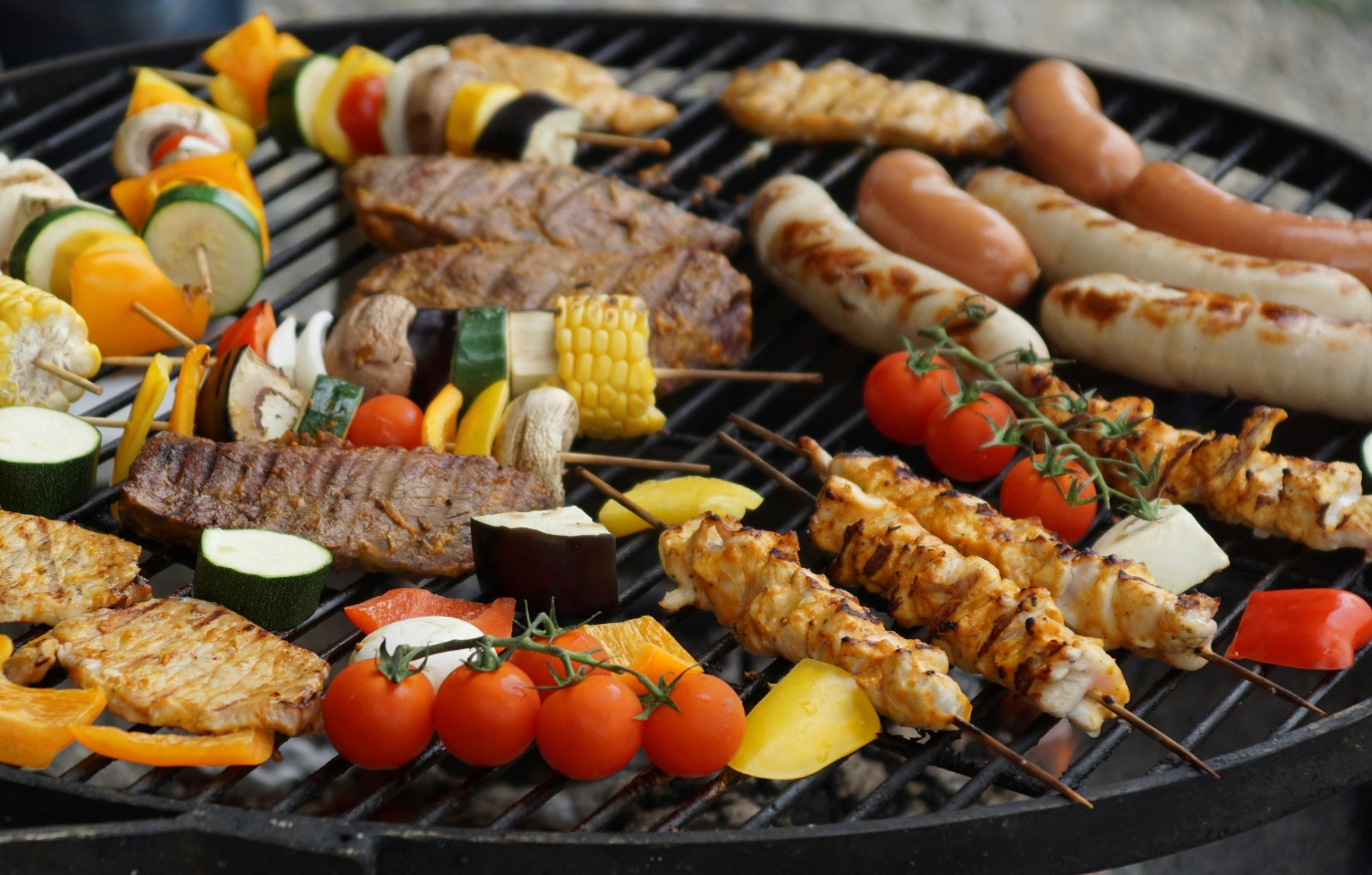
- Zucchini and Summer Squash: Cut lengthwise into 1/4-inch slices, brush with olive oil, and grill 3-4 minutes per side
- Bell Peppers: Quarter and seed, then grill skin-side down until charred for sweet, smoky flavor
- Asparagus: Snap off woody ends, coat lightly with oil and seasonings, grill 5-7 minutes until tender-crisp
- Eggplant: Slice into 1/2-inch rounds, salt to remove moisture, then grill until golden and tender
- Cauliflower: Cut into thick steaks or florets, season generously, and grill until caramelized
- Portobello Mushrooms: Remove stems, marinate in balsamic vinegar and herbs, grill as meat substitute
- Brussels Sprouts: Halve, skewer, and grill until crispy edges form
Preparation Techniques for Perfect Vegetables
The UGA Extension diabetes-friendly cooking guide recommends these techniques6:
- Use healthy oils sparingly: Brush vegetables with olive oil or avocado oil using a pastry brush rather than drowning them
- Season before grilling: Garlic powder, onion powder, herbs, and spices adhere better to oiled vegetables
- Cut uniformly: Similar-sized pieces ensure even cooking and prevent burning
- Use grill baskets: Small vegetables like cherry tomatoes and green beans cook perfectly in perforated grill baskets
- Don’t overcrowd: Leave space between vegetables for proper heat circulation and caramelization
Fresh vs. Frozen Vegetables
Frozen vegetables retain nutrients comparable to fresh and offer convenience for grilling. Simply thaw, pat dry, and prepare as you would fresh vegetables. This makes low carb grilling accessible year-round, even when fresh produce isn’t available.
Health Considerations: Minimizing Harmful Compounds When Grilling
While grilling offers numerous health benefits, it’s important to understand and minimize potential risks. Research published by the National Institutes of Health indicates that high-heat cooking methods like grilling can produce advanced glycation end products (AGEs).
Understanding Advanced Glycation End Products (AGEs)
AGEs are compounds formed when proteins or fats combine with sugars during high-temperature cooking. While grilling produces higher levels of AGEs than boiling or steaming, studies show that these compounds can be significantly reduced through proper cooking techniques without sacrificing flavor.
Strategies to Reduce AGEs and Cook Safely
| Strategy | How It Works | Reduction Potential |
|---|---|---|
| Marinate with acidic ingredients | Lemon juice, vinegar, and herbs create protective barrier | Up to 50% |
| Avoid charring | Cook at moderate temperatures, flip frequently | 30-40% |
| Use indirect heat | Place food beside heat source rather than directly over flames | 20-30% |
| Pre-cook partially | Microwave or steam before grilling reduces grill time | 25-35% |
| Choose lean cuts | Less fat means fewer drippings and flare-ups | 15-25% |
Choosing the Right Cooking Oils
According to Baylor College of Medicine, selecting appropriate oils is crucial for healthy grilling2:
- Best choices: Avocado oil (high smoke point, 520°F), light olive oil (465°F), canola oil (400°F)
- Avoid: Butter (low smoke point), heavily processed oils, reused fats
- Extra virgin olive oil: Reserve for finishing or lower-heat cooking to preserve beneficial compounds
Important Safety Note
Never reuse cooking oils or fats from previous grilling sessions. Reheated fats can create harmful compounds and off-flavors. Always start with fresh oil for each grilling session.
Delicious Low Carb Grilling Recipes to Try Today
Put your low carb grilling knowledge into practice with these tested, diabetes-friendly recipes that deliver maximum flavor with minimal carbohydrates.
Recipe 1: Herb-Marinated Grilled Chicken Breast
Ingredients:
- 4 boneless, skinless chicken breasts (6 oz each)
- 1/4 cup olive oil
- 3 tablespoons fresh lemon juice
- 3 garlic cloves, minced
- 2 tablespoons fresh rosemary, chopped
- 1 tablespoon fresh thyme
- 1 teaspoon smoked paprika
- Salt and black pepper to taste
Instructions:
- Combine olive oil, lemon juice, garlic, rosemary, thyme, paprika, salt, and pepper in a bowl
- Place chicken in a resealable bag, pour marinade over, and refrigerate for at least 1 hour (up to 8 hours)
- Preheat grill to medium-high heat (375-400°F)
- Remove chicken from marinade, letting excess drip off
- Grill for 6-7 minutes per side until internal temperature reaches 165°F
- Let rest 5 minutes before slicing
Nutrition per serving: 280 calories, 38g protein, 1g carbs, 13g fat
Recipe 2: Rainbow Vegetable Skewers with Garlic and Paprika
Ingredients:
- 2 medium zucchini, cut into 1-inch rounds
- 2 bell peppers (red and yellow), cut into 1-inch squares
- 1 red onion, cut into wedges
- 8 oz mushrooms, halved
- 20 cherry tomatoes
- 3 tablespoons olive oil
- 2 teaspoons garlic powder
- 1 teaspoon smoked paprika
- 1/2 teaspoon dried oregano
- Salt and pepper to taste
Instructions:
- If using wooden skewers, soak in water for 30 minutes
- Combine vegetables in a large bowl
- Mix olive oil with garlic powder, paprika, oregano, salt, and pepper
- Pour seasoned oil over vegetables and toss to coat evenly
- Thread vegetables onto skewers, alternating colors and types
- Grill over medium heat for 10-12 minutes, turning every 3 minutes until tender and charred
Nutrition per serving (2 skewers): 120 calories, 3g protein, 12g carbs (8g net carbs after fiber), 7g fat
Recipe 3: Keto-Friendly BBQ Salmon with Lemon and Dill
Ingredients:
- 4 salmon fillets (6 oz each), skin-on
- 2 tablespoons olive oil
- 2 lemons (1 juiced, 1 sliced)
- 3 tablespoons fresh dill, chopped
- 2 garlic cloves, minced
- 1 teaspoon Dijon mustard (sugar-free)
- Salt and pepper to taste
Instructions:
- Whisk together olive oil, lemon juice, dill, garlic, mustard, salt, and pepper
- Brush mixture over salmon fillets and let sit for 15 minutes
- Preheat grill to medium heat (350-375°F)
- Place lemon slices directly on grill grates, then place salmon skin-side down on lemon slices
- Grill for 10-12 minutes without flipping until salmon flakes easily with a fork
- Remove salmon with lemon slices attached and serve
Nutrition per serving: 320 calories, 34g protein, 2g carbs, 19g fat (including omega-3s)
Recipe 4: Grilled Portobello Mushroom Burgers
Ingredients:
- 4 large portobello mushroom caps, stems removed
- 1/4 cup balsamic vinegar
- 2 tablespoons olive oil
- 2 garlic cloves, minced
- 1 teaspoon dried basil
- Optional toppings: sliced avocado, tomato, lettuce, sugar-free mayo
Instructions:
- Combine balsamic vinegar, olive oil, garlic, and basil
- Brush mixture inside mushroom caps and let marinate for 20 minutes
- Grill caps gill-side down for 4-5 minutes
- Flip and grill another 4-5 minutes until tender
- Serve as burgers with low-carb toppings or alongside grilled vegetables
Nutrition per serving: 90 calories, 3g protein, 8g carbs (6g net carbs after fiber), 7g fat
Recipe Customization Tip
All these recipes can be adapted to your taste preferences. Experiment with different herb combinations, spice levels, and vegetables based on seasonal availability and personal preferences.
Meal Planning and Prep Tips for Low Carb Grilling Success
Sustainable low carb grilling requires strategic meal planning and preparation. The American Diabetes Association’s Diabetes Plate Method provides an excellent framework for balanced low-carb meals.
The Diabetes Plate Method for Grilling
| Plate Section | Portion | Low Carb Grilling Examples |
|---|---|---|
| Nonstarchy Vegetables | 1/2 plate | Grilled zucchini, bell peppers, asparagus, cauliflower, mushrooms |
| Lean Protein | 1/4 plate | Grilled chicken breast, salmon, turkey, tofu, lean beef |
| Carbohydrates | 1/4 plate | Small serving of quinoa, sweet potato, or skip for very low carb |
| Healthy Fats | Small amounts | Avocado slices, olive oil drizzle, nuts as garnish |
Batch Grilling and Storage Strategies
Efficient meal prep makes low carb grilling sustainable for busy lifestyles:
- Weekend batch cooking: Grill multiple proteins and vegetables on Sunday for use throughout the week
- Proper storage: Store grilled proteins in airtight containers in the refrigerator for up to 4 days, or freeze for up to 3 months
- Portion control: Pre-portion meals into individual containers following the Diabetes Plate Method
- Label and date: Mark containers with contents and date to ensure food safety and freshness
- Reheat gently: Use oven or air fryer at 350°F to reheat without drying out proteins
Low Carb Side Dishes to Complement Grilled Foods
According to Harvard Health Publishing, pairing grilled proteins with fiber-rich, low-carb sides creates satisfying, balanced meals1:
- Fresh salads: Mixed greens, arugula, spinach with olive oil and vinegar dressing
- Cauliflower rice: Seasoned and lightly sautéed as a rice substitute
- Zucchini noodles: Spiralized and briefly cooked for a pasta alternative
- Roasted Brussels sprouts: Tossed with balsamic vinegar and parmesan
- Avocado slices: Provides healthy fats and fiber
- Cucumber salad: With dill, red onion, and Greek yogurt dressing
Sugar-Free BBQ Sauce and Marinade Options
Traditional BBQ sauces can contain 12-16 grams of sugar per serving. Make your own low-carb versions:
Basic Low Carb BBQ Sauce:
- 1 cup tomato sauce (no sugar added)
- 2 tablespoons apple cider vinegar
- 1 tablespoon Worcestershire sauce (sugar-free)
- 2 teaspoons liquid smoke
- 1 teaspoon garlic powder
- 1 teaspoon onion powder
- 1/2 teaspoon smoked paprika
- Stevia or monk fruit to taste (optional)
Simmer all ingredients for 10 minutes until thickened. Store refrigerated for up to 2 weeks.
Hydration Matters
Pair your low carb grilled meals with water, unsweetened iced tea, or infused water with cucumber and mint. Proper hydration supports metabolism and helps you feel satisfied with your meals.
Alternative Cooking Methods: Air Frying vs. Grilling for Low Carb
While traditional grilling offers unmatched flavor, air frying provides a valuable alternative for low carb cooking. According to the UGA Extension guide, air frying uses minimal oil while creating crispy textures similar to grilling.
Comparison: Grilling vs. Air Frying
| Factor | Grilling | Air Frying |
|---|---|---|
| Flavor Profile | Smoky, charred, complex | Crispy, roasted |
| Fat Content | Low (drippings escape) | Very low (circulating air) |
| Nutrient Retention | Good (quick cooking) | Excellent (sealed environment) |
| AGE Formation | Moderate to high | Low to moderate |
| Convenience | Weather dependent, setup required | Year-round, countertop appliance |
| Batch Cooking | Large capacity | Limited capacity |
Both methods support low carb eating when used properly. Alternate between grilling and air frying based on weather, time constraints, and desired flavors to maintain variety in your diet.
Frequently Asked Questions About Low Carb Grilling
The best low carb foods for grilling include lean proteins such as skinless chicken breast, turkey, fish (especially salmon), tofu, tempeh, and lean cuts of beef. For vegetables, focus on nonstarchy options like zucchini, bell peppers, asparagus, eggplant, cauliflower, mushrooms, and Brussels sprouts. These foods provide essential nutrients, protein, and fiber while keeping carbohydrate intake minimal.
To make grilled meals diabetes-friendly, practice portion control using the Diabetes Plate Method (half plate nonstarchy vegetables, quarter plate lean protein, quarter plate low-carb sides). Choose fresh or frozen vegetables without added sauces, use healthy oils like olive or avocado oil, season with herbs and spices instead of sugar-based rubs, and avoid high-carb BBQ sauces. Marinating proteins with acidic ingredients and herbs adds flavor without carbs while reducing harmful compound formation.
Grilling can produce advanced glycation end products (AGEs) when proteins or fats are cooked at high temperatures. However, you can minimize these risks by marinating proteins with acidic ingredients (lemon juice, vinegar) for at least 30 minutes before grilling, avoiding charring or burning, using moderate cooking temperatures, employing indirect heat when possible, and choosing lean cuts that produce fewer drippings and flare-ups. These techniques can reduce AGE formation by up to 50%.
Easy low carb grilling recipes include herb-marinated grilled chicken breast, rainbow vegetable skewers with garlic and paprika, keto-friendly BBQ salmon with lemon and dill, and grilled portobello mushroom burgers. These recipes are simple to prepare, require minimal ingredients, and deliver maximum flavor with minimal carbohydrates. Each can be customized with your favorite herbs, spices, and low-carb seasonings.
Yes, frozen vegetables are excellent for low carb grilling. They retain nutrients comparable to fresh vegetables and offer year-round convenience. Simply thaw frozen vegetables, pat them dry thoroughly to remove excess moisture, then prepare and grill as you would fresh vegetables. This makes low carb grilling accessible and sustainable regardless of season or fresh produce availability.
The best oils for low carb grilling are those with high smoke points and healthy fat profiles. Avocado oil (smoke point 520°F) is ideal for high-heat grilling, followed by light olive oil (465°F) and canola oil (400°F). These oils provide healthy monounsaturated fats without adding carbohydrates. Avoid butter (low smoke point), heavily processed oils, and never reuse cooking oils from previous grilling sessions.
Create homemade BBQ sauces using tomato sauce or paste (no sugar added), apple cider vinegar, Worcestershire sauce (sugar-free), liquid smoke, and spices like garlic powder, onion powder, and smoked paprika. If sweetness is desired, use sugar-free sweeteners like stevia or monk fruit in small amounts. Avoid commercial BBQ sauces which often contain 12-16 grams of sugar per serving. Homemade versions can contain zero carbs while maintaining rich flavor.
Yes, air frying is an excellent alternative to grilling for low carb meals. It uses minimal oil while creating crispy textures and retains nutrients effectively in a sealed environment. Air frying produces fewer AGEs than traditional grilling and offers year-round convenience as a countertop appliance. The main limitations are smaller batch sizes compared to outdoor grills and a different flavor profile (crispy and roasted rather than smoky and charred). Both methods support low carb eating and can be alternated based on preferences and circumstances.
For effective low carb grilling meal prep, batch grill proteins and vegetables on weekends or designated prep days. Store grilled items in airtight containers (refrigerate for up to 4 days or freeze for up to 3 months). Pre-portion meals following the Diabetes Plate Method into individual containers. Label and date all containers for food safety. Pair grilled proteins and vegetables with fiber-rich low-carb sides like salads, cauliflower rice, or zucchini noodles. Reheat gently in the oven or air fryer at 350°F to maintain moisture and texture.
Excellent low carb side dishes include fresh mixed green salads with olive oil and vinegar dressing, cauliflower rice seasoned with herbs, spiralized zucchini noodles, roasted Brussels sprouts with balsamic vinegar, sliced avocado for healthy fats and fiber, cucumber salad with dill and Greek yogurt, sautéed spinach with garlic, and roasted cauliflower with parmesan. These sides add volume, nutrients, and satisfaction to meals without significantly increasing carbohydrate intake.
Conclusion: Embrace Low Carb Grilling for Long-Term Health
Low carb grilling represents one of the most effective strategies for combining delicious, satisfying meals with health-conscious eating. By focusing on lean proteins, nonstarchy vegetables, healthy oils, and smart preparation techniques, you can enjoy the rich, smoky flavors of grilled food while supporting blood sugar control, weight management, and overall metabolic health.
The key to success lies in understanding the fundamentals: choosing quality proteins and vegetables, using proper marinades and seasonings, minimizing harmful compound formation through correct cooking techniques, and planning meals that balance nutrition with flavor. Whether you’re managing diabetes, pursuing weight loss, or simply seeking healthier cooking methods, low carb grilling offers a sustainable approach that doesn’t sacrifice taste or satisfaction.
Remember that consistency matters more than perfection. Start with simple recipes like herb-marinated chicken and grilled vegetables, then expand your repertoire as you gain confidence. Experiment with different marinades, spice combinations, and seasonal vegetables to keep meals interesting and enjoyable.
Ready to Start Your Low Carb Grilling Journey?
Begin this week by selecting one recipe from this guide to try. Stock your pantry with essential herbs, spices, and healthy oils. Plan a weekend grilling session to batch-cook proteins and vegetables for the week ahead. Share your low carb grilling creations and experiences with friends and family to build sustainable healthy eating habits together.
Low carb grilling isn’t just a diet technique—it’s a lifestyle approach that makes healthy eating accessible, enjoyable, and sustainable for the long term. With the knowledge, recipes, and strategies provided in this guide, you’re fully equipped to make low carb grilling a delicious cornerstone of your health journey.
References
- Harvard Health Publishing. Low-carb foods: Nutritious choices for creating a sustainable diet that’s lower in carbohydrates. Accessed December 2025.
- Baylor College of Medicine. Healthy cooking methods demystified. Published February 2025.
- Harvard Health Blog. Low-carb diet helps cut blood sugar levels in people with prediabetes. Published January 2023.
- American Heart Association. Picking Healthy Proteins. Accessed December 2025.
- National Institutes of Health. Advanced glycation end products in foods and their effects on health. PMC Study 2025.
- UGA Extension. Diabetes-Friendly Cooking Techniques and Meal Planning. Accessed December 2025.
- American Diabetes Association. What is the Diabetes Plate? Diabetes Food Hub. Accessed December 2025.
- Mayo Clinic. Artificial sweeteners and other sugar substitutes. Accessed December 2025.
- Academy of Nutrition and Dietetics. Healthy Baking Alternatives. Accessed December 2025.
- NCBI Bookshelf. Healthy Eating and Glycemic Index Foods. Accessed December 2025.
Disclaimer:
The information provided on MD-Pilot is for educational and informational purposes only. It is not intended as a substitute for professional medical advice, diagnosis, or treatment. Always seek the advice of your physician or other qualified healthcare provider with any questions you may have regarding a medical condition. Never disregard professional medical advice or delay in seeking it because of something you have read on this website.


Weekly Health Intel
Get evidence-based health tips, latest research, and exclusive guides delivered weekly