

Table Of Contents
-
Key Highlights
- What Is the Purple Weight Loss Pill? Understanding Tirzepatide and GLP-1 Agonists
- How Effective Is the Purple Weight Loss Pill? Clinical Evidence and Results
- Comparison of GLP-1 Weight Loss Medications
- Side Effects and Safety Profile of the Purple Weight Loss Pill
- Dosing Regimens: Can You Take the Purple Weight Loss Pill Less Frequently?
- Cost and Accessibility of the Purple Weight Loss Pill in 2025
- Beware of Fake Purple Weight Loss Pills: FDA Warnings and How to Stay Safe
-
Frequently Asked Questions About the Purple Weight Loss Pill
-
References
Key Highlights
- The purple weight loss pill refers to tirzepatide (brand name Zepbound), an FDA-approved GLP-1/GIP receptor agonist for chronic weight management in adults with obesity.
- Clinical studies demonstrate significant efficacy: Participants achieved up to 19-24% body weight reduction over 52-72 weeks of treatment.
- Alternative dosing flexibility: Research suggests biweekly dosing with adjusted dose sizes may maintain 75-95% efficacy while reducing medication costs by up to 50%.
- Common side effects are gastrointestinal: Nausea (up to 24%), vomiting (up to 13%), diarrhea, and constipation are frequently reported but typically transient.
- Beware of counterfeit products: The FDA has issued multiple warnings about fraudulent purple pills containing hidden, potentially harmful ingredients.
- Cost remains a barrier: Without insurance, monthly costs often exceed $1,000, though new vial options and dosing strategies offer potential savings.
What Is the Purple Weight Loss Pill? Understanding Tirzepatide and GLP-1 Agonists
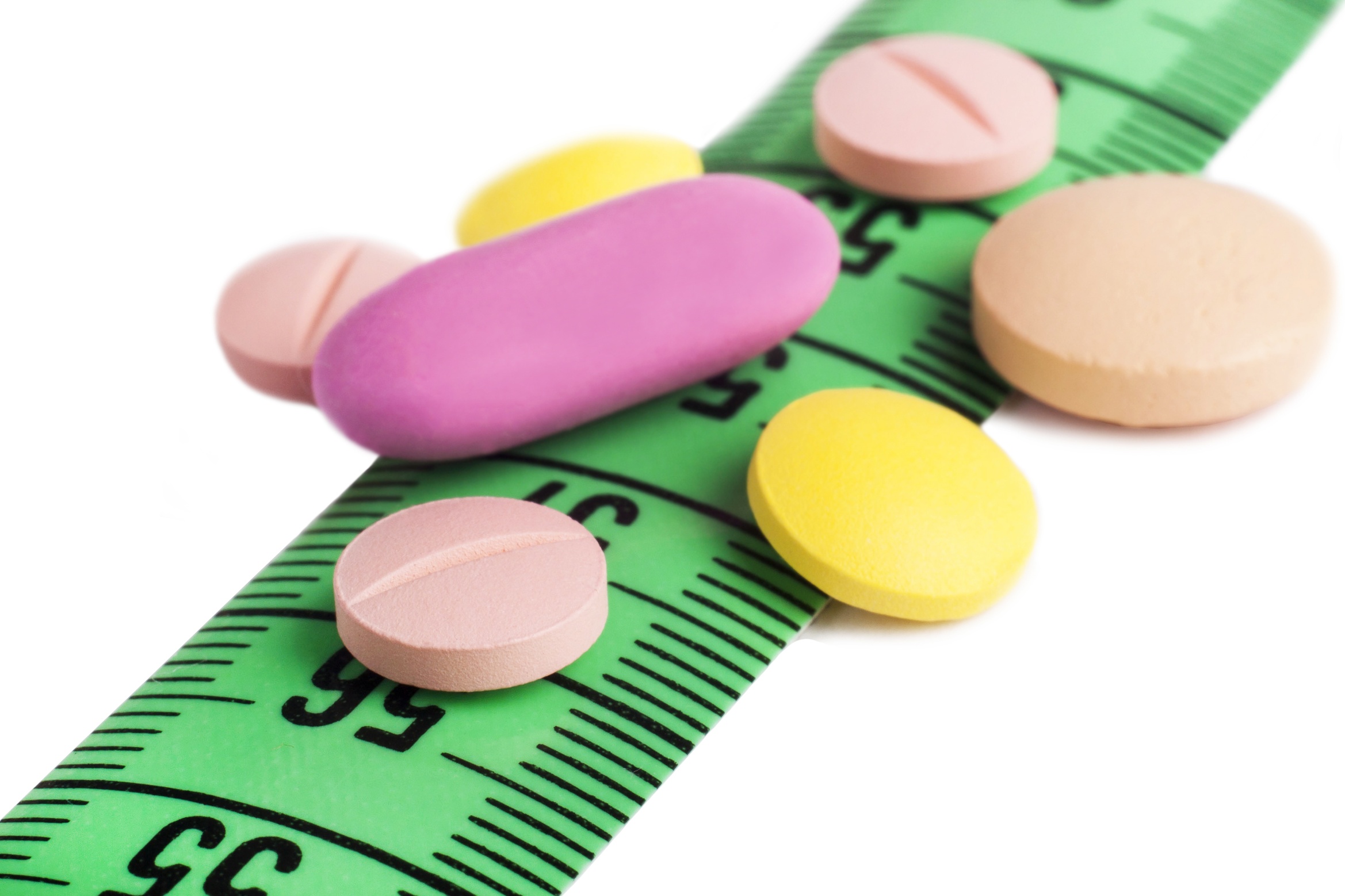
The term “purple weight loss pill” most commonly refers to tirzepatide, marketed under the brand name Zepbound for weight management. This medication has gained significant attention due to its distinctive purple appearance and remarkable clinical results. According to the FDA prescribing information, tirzepatide received approval for chronic weight management in adults with obesity or overweight conditions with weight-related comorbidities.
How Does Tirzepatide Work?
Unlike traditional weight loss medications, tirzepatide functions as a dual GLP-1/GIP receptor agonist. This means it activates two different hormone pathways simultaneously:
- GLP-1 (Glucagon-Like Peptide-1): Reduces appetite, slows gastric emptying, and enhances insulin secretion when blood sugar is elevated
- GIP (Glucose-Dependent Insulinotropic Polypeptide): Works synergistically with GLP-1 to improve metabolic function and enhance weight loss effects
Research published in PMC’s meta-analysis confirms that this dual-action mechanism produces superior weight loss outcomes compared to single-receptor medications like semaglutide (Wegovy/Ozempic).
Tirzepatide vs. Other Weight Loss Medications
The Harvard Health GLP-1 overview explains that while medications like Ozempic and Wegovy target only the GLP-1 receptor, tirzepatide’s dual-targeting approach may explain its enhanced efficacy in clinical trials.
Important Distinction
Tirzepatide is available under two brand names: Mounjaro (for type 2 diabetes) and Zepbound (for weight management). While the active ingredient is identical, they are approved for different indications. The purple weight loss pill specifically refers to Zepbound’s formulation for obesity treatment.
How Effective Is the Purple Weight Loss Pill? Clinical Evidence and Results
The effectiveness of tirzepatide for weight loss has been extensively studied in multiple large-scale clinical trials. The results have consistently demonstrated significant weight reduction that surpasses most previously available weight loss medications.
Clinical Trial Results
According to research from Cengiz et al. (2025), clinical trials have shown remarkable outcomes:
- Average weight loss of 19.2% of initial body weight achieved over 72 weeks at the highest dose
- Up to 24% body weight reduction observed in some trial participants
- Greater efficacy than semaglutide: Head-to-head comparisons show tirzepatide produces 5-7% more weight loss on average
Comparison of GLP-1 Weight Loss Medications
Weight Loss Efficacy Comparison: GLP-1 Receptor Agonists
| Medication | Type | Avg Weight Loss | Timeline | Dosing |
|---|---|---|---|---|
| Tirzepatide (Zepbound) | Dual GLP-1/GIP | 19-24% | 52-72 weeks | Weekly injection |
| Semaglutide (Wegovy) | GLP-1 only | 15-17% | 52-68 weeks | Weekly injection |
| Liraglutide (Saxenda) | GLP-1 only | 5-8% | 52 weeks | Daily injection |
| Orlistat (Alli) | Lipase inhibitor | 3-5% | 52 weeks | Oral (3x daily) |
Factors Affecting Weight Loss Results
The Guo et al. meta-analysis (2025) identified several factors that influence individual outcomes:
- Age impact: Older adults may experience approximately 26% less maximum weight loss efficacy compared to younger patients
- Starting BMI: Higher initial BMI often correlates with greater absolute weight loss
- Adherence: Consistent dosing significantly affects outcomes
- Lifestyle factors: Diet and exercise modifications enhance medication effects
Real-World Expectations
While clinical trial results are impressive, real-world outcomes may vary. Initial weight loss typically becomes noticeable within 6-12 weeks, with maximum effects often achieved between 26-52 weeks. Healthcare providers emphasize that tirzepatide works best as part of a comprehensive weight management program including dietary changes and increased physical activity.
Side Effects and Safety Profile of the Purple Weight Loss Pill
Understanding the potential side effects of tirzepatide is essential for anyone considering this medication. According to the FDA prescribing label, most side effects are gastrointestinal in nature and tend to decrease over time as the body adjusts to the medication.
Common Side Effects
The most frequently reported adverse reactions include:
- Nausea: Affects up to 24% of patients, particularly during dose escalation periods
- Diarrhea: Reported in approximately 20% of users
- Vomiting: Occurs in up to 13% of patients
- Constipation: Experienced by roughly 15% of users
- Abdominal pain: Common during initial treatment phases
- Decreased appetite: Often considered a therapeutic effect rather than a side effect
Serious Side Effects
While rare, some serious adverse events have been reported:
- Pancreatitis: Inflammation of the pancreas requiring immediate medical attention
- Gallbladder problems: Including gallstones, particularly with rapid weight loss
- Hypoglycemia: Especially when combined with other diabetes medications
- Allergic reactions: Rare but can include anaphylaxis
- Thyroid tumors: Observed in animal studies; boxed warning included for medullary thyroid carcinoma risk
Side Effect Incidence Rates
| Side Effect | 5mg Dose | 10mg Dose | 15mg Dose | Placebo |
|---|---|---|---|---|
| Nausea | 18% | 22% | 24% | 6% |
| Diarrhea | 15% | 18% | 21% | 8% |
| Vomiting | 7% | 10% | 13% | 2% |
| Constipation | 12% | 14% | 15% | 5% |
Managing Side Effects
Healthcare providers typically recommend these strategies to minimize gastrointestinal side effects:
- Gradual dose titration: Starting at the lowest dose and increasing slowly
- Smaller, more frequent meals: Eating less at each sitting can reduce nausea
- Avoiding fatty or greasy foods: These can exacerbate GI symptoms
- Staying hydrated: Particularly important if experiencing diarrhea or vomiting
Dosing Regimens: Can You Take the Purple Weight Loss Pill Less Frequently?
One of the most promising developments in tirzepatide research involves alternative dosing schedules. According to modeling research from Cengiz et al. (2025), modified dosing regimens may offer significant cost savings while maintaining therapeutic benefits.
Standard Dosing Protocol
The FDA-approved dosing schedule for Zepbound follows a gradual escalation:
- Weeks 1-4: 2.5mg weekly (initiation dose)
- Weeks 5-8: 5mg weekly
- Weeks 9-12: 7.5mg weekly (if tolerated)
- Weeks 13-16: 10mg weekly (if tolerated)
- Week 17+: 12.5mg or 15mg weekly (maximum maintenance dose)
Alternative Dosing Research
Mathematical modeling studies have explored the feasibility of biweekly dosing with adjusted dose sizes. Key findings include:
- Biweekly administration with doubled doses may maintain 75-95% of weekly dosing efficacy
- Cost reduction potential: Up to 50% savings on medication expenses
- Improved adherence: Less frequent injections may improve patient compliance
- Pharmacokinetic considerations: Tirzepatide’s long half-life (approximately 5 days) supports extended dosing intervals
Important Clinical Consideration
Alternative dosing regimens are currently not FDA-approved and should only be considered under direct supervision of a qualified healthcare provider. While research is promising, individual responses may vary, and safety in extended dosing intervals requires further clinical validation. Never modify your dosing schedule without consulting your prescriber.
Cost and Accessibility of the Purple Weight Loss Pill in 2025
One of the most significant barriers to accessing tirzepatide remains its cost. Understanding the pricing landscape and available options can help patients make informed decisions about their treatment.
Current Pricing Overview
As of 2025, the retail cost of Zepbound presents challenges for many patients:
- List price: Approximately $1,000-$1,100 per month without insurance
- Annual cost: Can exceed $12,000-$13,000 for continuous treatment
- Insurance coverage varies: Many plans exclude weight loss medications from formulary coverage
According to recent research, these high costs contribute to treatment discontinuation and health disparities, given that 41% of US adults are affected by obesity.
Cost-Saving Strategies
Several approaches may help reduce out-of-pocket expenses:
- Manufacturer savings programs: Eli Lilly offers savings cards for eligible commercially insured patients
- New vial options: Single-dose vials introduced in 2025 may provide more flexible and potentially cost-effective dosing
- Prior authorization: Working with your provider to document medical necessity for insurance approval
- Patient assistance programs: Available for qualifying uninsured or underinsured patients
- Alternative dosing (under medical supervision): Research-backed flexible schedules may reduce medication needs
Insurance Coverage Tips
If your insurance initially denies coverage, consider these steps: (1) Request a formal coverage review citing medical necessity and comorbidities; (2) Provide documentation of previous weight loss attempts; (3) Ask your healthcare provider to submit a peer-to-peer review; (4) Appeal denials with supporting clinical evidence.
Beware of Fake Purple Weight Loss Pills: FDA Warnings and How to Stay Safe
The popularity of GLP-1 weight loss medications has unfortunately created a market for counterfeit and fraudulent products. The FDA has issued multiple warnings about dangerous products marketed as “purple weight loss pills” or similar weight loss solutions.
Common Fraudulent Product Characteristics
According to FTC consumer protection guidelines, be wary of products that:
- Promise rapid, effortless weight loss (e.g., “Lose 30 pounds in 30 days!”)
- Are sold without a prescription through online marketplaces or social media
- Contain undisclosed active ingredients that may interact with other medications
- Use celebrity endorsements without authorization or legitimate testimonials
- Claim to be “natural alternatives” to prescription medications
Hidden Dangerous Ingredients
FDA testing has found undisclosed pharmaceutical compounds in fraudulent weight loss products, including:
- Sibutramine: A withdrawn weight loss drug linked to cardiovascular risks
- Phenolphthalein: A suspected carcinogen formerly used as a laxative
- Undeclared stimulants: That can cause dangerous heart rate and blood pressure elevations
- Prescription medications: Without proper labeling or dosing guidance
How to Verify Authentic Medications
- Obtain prescriptions only from licensed healthcare providers after proper evaluation
- Fill prescriptions at licensed, verified pharmacies (use FDA’s BeSafeRx to verify online pharmacies)
- Check for proper labeling including NDC numbers, expiration dates, and lot numbers
- Report suspicious products to the FDA MedWatch program
- Avoid purchasing from social media ads or unverified websites
Frequently Asked Questions About the Purple Weight Loss Pill
The purple weight loss pill refers to tirzepatide (brand name Zepbound), an FDA-approved medication for chronic weight management. It works as a dual GLP-1/GIP receptor agonist, reducing appetite, slowing stomach emptying, and improving metabolic function to promote significant weight loss.
Clinical trials demonstrate tirzepatide achieves average weight loss of 19-24% of initial body weight over 52-72 weeks. This represents some of the highest efficacy rates among available weight loss medications. Individual results vary based on factors like age, adherence, and lifestyle modifications.
The most common side effects are gastrointestinal: nausea (up to 24%), diarrhea (approximately 20%), vomiting (up to 13%), and constipation (roughly 15%). These symptoms typically decrease over time as the body adjusts, particularly with gradual dose increases.
While the FDA-approved regimen is weekly injections, research suggests biweekly dosing with adjusted dose sizes may maintain 75-95% efficacy. However, alternative dosing schedules are not FDA-approved and should only be considered under direct healthcare provider supervision.
Tirzepatide has been studied in adults of various ages. However, research indicates older adults may experience approximately 26% less maximum weight loss efficacy. The safety profile appears similar across age groups, but closer monitoring may be recommended for seniors.
Without insurance, Zepbound costs approximately $1,000-$1,100 per month (over $12,000 annually). Manufacturer savings programs, patient assistance programs, and insurance appeals may help reduce costs for eligible patients.
Authentic tirzepatide (Zepbound) requires a prescription from a licensed healthcare provider and should only be obtained from licensed pharmacies. Avoid purchasing from social media, unverified online sellers, or sources not requiring a prescription.
Initial weight loss effects typically become noticeable within 6-12 weeks of starting treatment. Maximum weight loss is often achieved between 26-52 weeks of consistent use, combined with lifestyle modifications.
References
- Cengiz, M., et al. (2025). Advanced modeling of GLP-1 agonist dosing regimens and weight loss efficacy. PMC11885104. National Center for Biotechnology Information.
- Guo, Z., et al. (2025). Comparative efficacy and safety of GLP-1 receptor agonists for obesity treatment: A meta-analysis. PMC11840199. National Center for Biotechnology Information.
- U.S. Food and Drug Administration. (2024). Zepbound (tirzepatide) Prescribing Information. FDA Drug Label. Retrieved December 2025.
- U.S. Food and Drug Administration. (2025). Weight Loss Product Notifications – Medication Health Fraud. FDA.gov. Retrieved December 2025.
- Federal Trade Commission. (2025). The Truth Behind Weight Loss Ads. Consumer.FTC.gov. Retrieved December 2025.
- Harvard Health Publishing. (2025). How does Ozempic work? Understanding GLP-1s for diabetes, weight loss, and beyond. Harvard.edu. Harvard Medical School.
- Nature Medicine. (2025). Obesity treatment and integrated weight loss care. Nature.com. Springer Nature.
Disclaimer:
The information provided on MD-Pilot is for educational and informational purposes only. It is not intended as a substitute for professional medical advice, diagnosis, or treatment. Always seek the advice of your physician or other qualified healthcare provider with any questions you may have regarding a medical condition. Never disregard professional medical advice or delay in seeking it because of something you have read on this website.



Weekly Health Intel
Get evidence-based health tips, latest research, and exclusive guides delivered weekly