

Table Of Contents
-
Key Highlights
- Managing Type 1 Diabetes for Athletes: Essential Strategies and Tips
-
The Role of Technology in Supporting Athletes with Tye 1 Diabetes
- Inspiring Success Stories of Athletes Thriving with Type 1 Diabetes
- Nutrition and Hydration Guidelines for Diabetic Athletes
- Psychological and Social Support for Athletes with Type 1 Diabetes
- Preparing for Competition: Creating a Diabetic Action Plan
-
Frequently Asked Questions
-
Conclusion: Thriving as an Athlete with Type 1 Diabetes
-
References and Sources
Key Highlights
- Athletes with type 1 diabetes can compete at all levels, from high school to professional sports, with proper management and support
- Continuous glucose monitors and insulin pumps have revolutionized diabetes care in sports, enabling real-time blood sugar tracking
- Blood sugar management requires careful planning around exercise intensity, duration, and nutrition timing
- Hypoglycemia prevention is critical during training and competition through strategic carbohydrate intake and insulin adjustments
- Psychological resilience and peer support play a vital role in athletic success with type 1 diabetes
- Personalized diabetic action plans involving healthcare teams optimize both safety and performance
- Athletes with type 1 diabetes make nearly 200 more medical decisions daily than non-diabetics, yet still achieve elite performance
Type 1 diabetes affects approximately 1.6 million Americans, but it doesn’t have to end athletic dreams. From NFL tight ends to professional snowboarders, athletes with type 1 diabetes are proving that with the right management strategies, technology, and support systems, they can compete and excel at the highest levels of sport.
Managing Type 1 Diabetes for Athletes: Essential Strategies and Tips
Managing type 1 diabetes as an athlete requires a multi-faceted approach that goes far beyond what non-athletic individuals experience. The combination of physical exertion, competitive stress, and varying activity levels creates unique challenges that demand careful planning and constant vigilance.
Daily Blood Sugar Monitoring and Insulin Adjustments
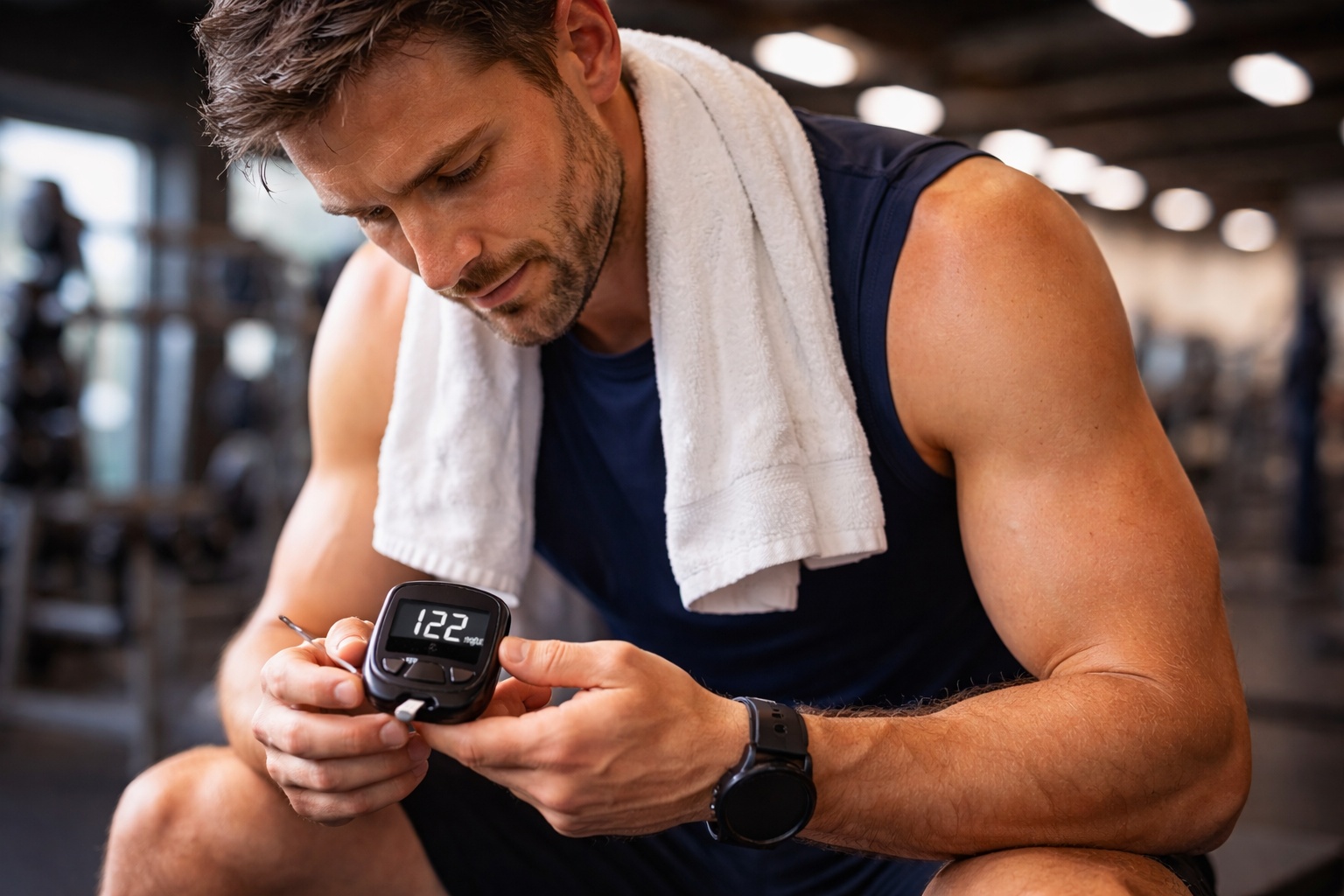
Athletes with type 1 diabetes must monitor their blood glucose levels far more frequently than sedentary individuals. NFL tight end Mark Andrews, who plays for the Baltimore Ravens, checks his blood sugar approximately 30 times during a single game to maintain optimal control. This level of monitoring isn’t excessive but necessary to prevent both hypoglycemia (low blood sugar) and hyperglycemia (high blood sugar) during intense physical activity.
The insulin-exercise relationship is complex. Exercise increases insulin sensitivity, meaning the body requires less insulin to process glucose. Athletes must adjust their basal insulin rates before, during, and after training sessions. According to clinical research published in the NIH database, insulin requirements can decrease by 20-50% during prolonged physical activity.
Expert Insight
High school basketball players Braylon Ellis and Andrew Tatum, both managed by the University of Kentucky’s Barnstable Brown Diabetes Center, have developed precise routines for managing their condition during games. They monitor glucose levels before games, at halftime, and immediately after, making real-time adjustments to their insulin delivery and carbohydrate intake based on the data.
Carbohydrate Counting and Timing
Strategic carbohydrate intake is essential for maintaining stable blood sugar during athletic performance. Athletes must consider:
- Pre-exercise nutrition: Consuming 15-30 grams of complex carbohydrates 1-2 hours before activity
- During exercise: Quick-acting carbohydrates available for immediate treatment of hypoglycemia
- Post-exercise recovery: Replenishing glycogen stores with a combination of carbohydrates and protein
- Hydration strategies: Balancing fluid intake with blood sugar management
The type of sport also matters. Endurance athletes require different carbohydrate strategies than those in high-intensity interval sports like basketball or soccer.
The Role of Technology in Supporting Athletes with Tye 1 Diabetes
The technological revolution in diabetes management has been transformative for athletes. Modern devices provide real-time data and automated insulin delivery that was impossible just a decade ago.
Continuous Glucose Monitors (CGMs)
CGMs have become game-changers for athletes with type 1 diabetes. These small sensors, inserted under the skin, measure glucose levels every few minutes and transmit data wirelessly to a smartphone or receiver. The benefits for athletes include:
- Real-time glucose readings without finger-stick blood tests
- Trend arrows showing whether glucose is rising, falling, or stable
- Customizable alarms for high and low glucose levels
- Data sharing capabilities allowing coaches and parents to monitor remotely
Dave Peterson, a baseball executive who manages type 1 diabetes, credits his CGM with maintaining an A1c level in the healthy range while managing the demands of professional sports. The continuous data allows him to make proactive adjustments rather than reactive corrections.
| Technology | Primary Benefit for Athletes | Usage Considerations |
|---|---|---|
| Usage Considerations | Real-time glucose tracking without finger sticks | Requires sensor replacement every 7-14 days; may require calibration |
| Insulin Pump | Precise insulin delivery; adjustable basal rates | Must be removed or protected during contact sports |
| Hybrid Closed-Loop System | Automated insulin adjustments based on CGM data | Still requires carb counting; may need manual overrides during intense exercise |
| Smart Insulin Pens | Dose tracking and calculation assistance | Less automation than pumps; requires multiple daily injections |
Insulin Pumps and Hybrid Closed-Loop Systems
Insulin pumps deliver rapid-acting insulin continuously through a small catheter inserted under the skin. For athletes, the advantages include:
- Ability to adjust basal insulin rates for different activity levels
- Precise bolus dosing for meals and corrections
- Temporary basal rate reductions during exercise
- Integration with CGMs for automated insulin delivery
Hybrid closed-loop systems, sometimes called “artificial pancreas” technology, combine CGM data with insulin pump delivery to automatically adjust insulin based on glucose trends. While these systems still require user input for meals and exercise, they significantly reduce the mental burden of constant decision-making.
Important Consideration
Contact sports may require temporarily disconnecting insulin pumps or using protective cases. Athletes should work with their endocrinology team to develop sport-specific management protocols.
Inspiring Success Stories of Athletes Thriving with Type 1 Diabetes
Real-world success stories demonstrate that type 1 diabetes is not a barrier to athletic achievement. These athletes serve as inspiration and proof that proper management enables elite performance.
Mark Andrews - NFL Tight End
Baltimore Ravens tight end Mark Andrews was diagnosed with type 1 diabetes at age nine. Rather than limiting his athletic ambitions, he developed a rigorous management system that allows him to compete at the highest level of professional football. Andrews uses a combination of CGM and insulin pump technology, checks his blood sugar approximately 30 times per game, and keeps sugar-free Gatorade and fruit snacks readily available on the sidelines for quick glucose adjustments.
His success illustrates the importance of preparation and real-time monitoring. Andrews works closely with team medical staff to ensure his diabetes management is integrated into game-day protocols.
Sean Busby - Professional Snowboarder
Sean Busby, a professional snowboarder and founder of Riding On Insulin, has turned his diagnosis into a platform for inspiring others. Busby manages the unique challenges of altitude changes, extreme cold, and high-intensity athletic performance while maintaining stable blood sugar levels. His organization provides resources and community support for athletes with type 1 diabetes across all sports.
High School Athletes Breaking Barriers
According to research from the University of Kentucky’s Barnstable Brown Diabetes Center, high school athletes Braylon Ellis and Andrew Tatum demonstrate that peer support and expert medical care enable young athletes to compete safely and successfully. Both basketball players manage their condition with technology and careful planning, supporting each other through the challenges of competitive sports.
Success Factors
Common elements among successful athletes with type 1 diabetes include: dedicated healthcare teams, cutting-edge technology utilization, strong support systems, meticulous planning, and mental resilience developed through managing the condition daily.
Additional Athletic Success Stories
The UMass Diabetes Center of Excellence documents numerous success stories across diverse sports:
- Sheridan Brummett: College soccer player who manages type 1 diabetes while competing at the NCAA level
- Brandon Denson: From high school football to professional athletics and American Ninja Warrior competition
- Christine Croteau: Marathon runner and artist who thrives with active lifestyle management
Nutrition and Hydration Guidelines for Diabetic Athletes
Nutrition for athletes with type 1 diabetes requires balancing three competing demands: fueling athletic performance, maintaining stable blood glucose, and supporting recovery. Unlike non-diabetic athletes who can simply eat for energy, diabetic athletes must consider the glycemic impact of every food choice.
Pre-Exercise Nutrition Strategies
The hour before exercise is critical for establishing stable blood sugar. Athletes should aim for blood glucose levels between 120-180 mg/dL before beginning intense physical activity. If levels are below this range, consuming 15-30 grams of complex carbohydrates can prevent hypoglycemia during exercise.
Recommended pre-exercise foods include:
- Whole grain toast with nut butter
- Greek yogurt with berries
- Oatmeal with protein powder
- Banana with almond butter
During Exercise: Managing Blood Sugar Fluctuations
Exercise intensity and duration dramatically affect blood sugar. High-intensity interval training may initially raise blood glucose due to stress hormone release, while endurance activities typically lower it. Athletes must carry fast-acting carbohydrates for immediate treatment of hypoglycemia:
- Glucose tablets (15 grams recommended)
- Sports drinks with sugar
- Fruit snacks or gummy candies
- Honey packets
Mark Andrews’ strategy of keeping sugar-free Gatorade and fruit snacks available during NFL games exemplifies this approach. He can quickly consume fast-acting carbohydrates when his CGM alerts him to dropping glucose levels.
Post-Exercise Recovery and Glycogen Replenishment
The hours following exercise present unique challenges. Increased insulin sensitivity can persist for 24-48 hours after intense training, increasing hypoglycemia risk. Athletes should:
- Monitor blood sugar closely for 12-24 hours post-exercise
- Consume a combination of carbohydrates and protein within 30-60 minutes
- Consider reducing basal insulin rates overnight after evening training
- Set CGM alarms for overnight low glucose detection
| Timing | Nutritional Goal | Example Foods |
|---|---|---|
| 1-2 hours before exercise | Stabilize blood sugar at 120-180 mg/dL | Whole grain toast with nut butter, Greek yogurt with berries |
| During exercise | Prevent/treat hypoglycemia | Glucose tablets, sports drinks, fruit snacks |
| Within 30-60 minutes post-exercise | Replenish glycogen; support recovery | Chocolate milk, turkey sandwich, protein smoothie with fruit |
| 12-24 hours post-exercise | Prevent delayed hypoglycemia | Regular balanced meals; possible basal rate reduction |
Hydration and Diabetes Management
Proper hydration is crucial for blood sugar management. Dehydration can concentrate blood glucose, leading to misleadingly high readings and potential diabetic ketoacidosis in severe cases. Athletes should:
- Drink water consistently throughout the day, not just during exercise
- Monitor urine color as a hydration indicator
- Consider electrolyte replacement for sessions longer than 60 minutes
- Avoid excessive caffeine which can affect blood sugar and hydration
Psychological and Social Support for Athletes with Type 1 Diabetes
The mental and emotional aspects of managing type 1 diabetes while competing athletically are often underestimated. Athletes face unique psychological challenges that require dedicated support systems.
Mental Health Challenges and Stress Management
Managing type 1 diabetes creates constant cognitive load. According to the Barnstable Brown Diabetes Center, athletes with type 1 diabetes make approximately 200 more medical decisions daily compared to their non-diabetic peers. This decision-making burden includes:
- Calculating insulin doses for meals and corrections
- Interpreting CGM trends and making adjustments
- Balancing exercise intensity with glucose management
- Planning ahead for practices, games, and travel
The constant vigilance can lead to burnout, anxiety, and diabetes distress. Clinical research emphasizes the importance of mental health support as part of comprehensive diabetes care for athletes.
Peer Support and Team Dynamics
The mutual support between high school teammates Braylon Ellis and Andrew Tatum illustrates the power of peer understanding. Both managing type 1 diabetes while playing competitive basketball, they provide encouragement and share management strategies. This peer support reduces feelings of isolation and creates accountability.
Educating coaches, trainers, and teammates about type 1 diabetes is essential. When the entire team understands the condition, athletes feel more comfortable managing their diabetes visibly rather than hiding it, which can be dangerous.
Communication is Key
Athletes should ensure that coaches, athletic trainers, and teammates know how to recognize and respond to hypoglycemia emergencies. Regular communication about glucose levels and management needs prevents misunderstandings and ensures safety.
Building a Comprehensive Care Team
Successful athletic performance with type 1 diabetes requires a multidisciplinary team:
- Endocrinologist: Oversees diabetes management and adjusts medication protocols
- Certified Diabetes Educator: Provides training on technology and management strategies
- Sports Dietitian: Develops nutrition plans for training and competition
- Sports Psychologist: Addresses mental health and performance anxiety
- Athletic Trainer: Monitors health during practices and games
- Primary Care Physician: Coordinates overall health management
Preparing for Competition: Creating a Diabetic Action Plan
Competition day requires meticulous planning. A comprehensive diabetic action plan ensures safety while optimizing performance.
Essential Components of a Diabetic Action Plan
According to clinical care guidelines for athletes with type 1 diabetes, action plans should include:
- Target blood glucose ranges: Specific goals for pre-exercise, during activity, and post-exercise
- Insulin adjustment protocols: How to modify basal rates and bolus doses around training and competition
- Emergency contact information: Healthcare providers, emergency services, and parent/guardian contacts
- Treatment protocols: Step-by-step instructions for managing hypoglycemia and hyperglycemia
- Equipment checklist: CGM supplies, insulin, glucose tablets, backup equipment
Preparticipation Physical Examinations
Athletes with type 1 diabetes should undergo comprehensive preparticipation evaluations that go beyond standard sports physicals. These examinations should assess:
- Cardiovascular health and exercise tolerance
- Diabetic complications screening (retinopathy, neuropathy, nephropathy)
- Current diabetes management effectiveness (A1c levels, glucose variability)
- Technology functionality and proper usage
Communication with Coaches and Officials
Clear communication prevents dangerous situations. Athletes should:
- Inform coaches about their condition and management needs
- Educate officials about potential medical timeouts for glucose checks
- Establish visible signals for low blood sugar that teammates recognize
- Ensure CGM alarms are audible during competition or that a designated person monitors remotely
Emergency Preparedness
All members of the athletic staff should know the location of emergency glucagon and how to administer it. Severe hypoglycemia can progress rapidly during intense physical activity, making preparedness critical.
Travel Considerations for Diabetic Athletes
Athletic competition often involves travel, which presents unique challenges:
- Pack double the supplies needed (insulin, test strips, CGM sensors, pump supplies)
- Carry medical documentation and prescriptions for TSA screening
- Research local medical facilities at competition locations
- Account for time zone changes when programming insulin pumps
- Store insulin properly in temperature-controlled environments
Frequently Asked Questions
Absolutely. With proper management, technology, and support, athletes with type 1 diabetes compete successfully at all levels, including professional sports. NFL tight end Mark Andrews, professional snowboarder Sean Busby, and numerous other elite athletes demonstrate that type 1 diabetes does not prevent high-level athletic achievement.
Athletes manage blood sugar through frequent monitoring using continuous glucose monitors, adjusting insulin doses based on exercise intensity and duration, timing carbohydrate intake strategically, staying properly hydrated, and having quick-acting glucose sources readily available for treating hypoglycemia.
Continuous glucose monitors combined with insulin pumps offer the most comprehensive management for athletes. Hybrid closed-loop systems that automate insulin delivery based on CGM data further reduce the management burden. The specific technology choice should be made with an endocrinology team based on individual needs and sport requirements.
Prevention strategies include consuming 15-30 grams of carbohydrates before exercise if blood sugar is below 120 mg/dL, reducing insulin doses before anticipated physical activity, monitoring glucose trends continuously during exercise, having fast-acting carbohydrates immediately available, and adjusting basal insulin rates for different activity levels.
A comprehensive diabetic action plan should include target blood glucose ranges for different activity levels, insulin adjustment protocols, emergency contact information, treatment protocols for high and low blood sugar, equipment checklists, and communication strategies with coaches and medical staff.
When properly managed, type 1 diabetes does not inherently limit athletic performance. However, unstable blood sugar can temporarily impair performance. Athletes who maintain good glucose control through technology, planning, and support can perform at the same level as non-diabetic peers.
Athletes balance insulin and nutrition by counting carbohydrates accurately, timing meals 1-2 hours before training when possible, reducing insulin doses before exercise to prevent hypoglycemia, monitoring glucose trends to make real-time adjustments, and consuming a combination of carbohydrates and protein post-exercise for recovery.
Athletes with type 1 diabetes make approximately 200 more medical decisions daily than non-diabetics, leading to potential burnout and diabetes distress. They may experience anxiety about hypoglycemia during competition, frustration when blood sugar affects performance, and feelings of being different from teammates. Mental health support and peer connections are essential.
Yes, children with type 1 diabetes can safely participate in sports with proper education, monitoring, and support from caregivers and coaches. Pediatric endocrinology teams can develop age-appropriate management protocols, and modern technology like CGMs provides additional safety through real-time monitoring and remote data sharing with parents.
The primary risks include hypoglycemia during or after exercise, hyperglycemia if insulin doses are insufficient, and dehydration affecting blood sugar control. These risks are mitigated through careful planning, frequent monitoring, proper insulin adjustments, accessible fast-acting carbohydrates, and comprehensive emergency protocols.
Conclusion: Thriving as an Athlete with Type 1 Diabetes
Type 1 diabetes presents unique challenges for athletes, but it is not a barrier to athletic excellence. The combination of modern technology, strategic management, comprehensive support systems, and mental resilience enables athletes to compete safely and successfully at all levels of sport.
Success requires dedication beyond athletic training. Athletes with type 1 diabetes must become experts in glucose management, nutrition timing, insulin pharmacology, and technology utilization. They make hundreds of additional decisions daily, balancing the demands of their condition with the pursuit of athletic goals.
Yet the stories of Mark Andrews, Sean Busby, Braylon Ellis, Andrew Tatum, and countless others prove that these challenges are surmountable. With proper planning, cutting-edge technology, supportive healthcare teams, and determination, athletes with type 1 diabetes are not just participating in sports—they’re excelling.
Take Action
If you’re an athlete with type 1 diabetes or supporting one, work with a specialized endocrinology team to develop a personalized management plan. Invest in continuous glucose monitoring and insulin pump technology if possible. Build a support network that includes healthcare providers, coaches, teammates, and other athletes managing the same condition. With the right approach, your athletic potential is unlimited.
References and Sources
- University of Kentucky – Barnstable Brown Diabetes Center. “Barnstable Brown helps high school teammates with diabetes stay in the game.” https://uknow.uky.edu/uk-healthcare/barnstable-brown-helps-high-school-teammates-diabetes-stay-game
- UMass Diabetes Center of Excellence. “Patient Success Stories.” https://www.umassmed.edu/dcoe/diabetes-care/success-stories/
- UMass Diabetes Center of Excellence. “Dave Peterson – Baseball Executive with Type 1 Diabetes.” https://www.umassmed.edu/dcoe/diabetes-care/success-stories/2021/06/peterman-video/
- National Institutes of Health – PubMed Central. “Management of the Athlete with Type 1 Diabetes.” https://pmc.ncbi.nlm.nih.gov/articles/PMC2140081/
- National Institutes of Health – PubMed Central. “Clinical Review on Diabetes and Sports Management.” https://pmc.ncbi.nlm.nih.gov/articles/PMC6124849/
- National Institutes of Health – PubMed Central. “Clinical Care Guidelines for Athletes with Type 1 Diabetes.” https://pmc.ncbi.nlm.nih.gov/articles/PMC5035675/
- UMass Diabetes Center of Excellence. “Mark Andrews – NFL Tight End Managing Type 1 Diabetes.” https://www.umassmed.edu/dcoe/diabetes-care/success-stories/2020/09/mark-andrews/
- William & Mary News. “Brummett Rises to the Challenge as College Athlete Handling Type 1 Diabetes.” https://news.wm.edu/2023/10/24/brummett-rises-to-the-challenge-as-college-athlete-handling-type-1-diabetes/
- Indiana University School of Medicine. “Experts Answer the Internet’s Most Searched Questions About Type 1 Diabetes.” https://medicine.iu.edu/blogs/pediatrics/experts-answer-the-internets-most-searched-questions-about-type-1-diabetes
- Johns Hopkins Center on Aging and Health. “Winning with Diabetes: Inspiring Stories from Athletes.” https://coah.jhu.edu/2023/08/30/recent-book-co-authored-by-coah-core-faculty-rita-r-kalyani-md-mhs-winning-with-diabetes-inspiring-stores-from-athletes-to-help-you-thrive/
- National Institutes of Health – PubMed Central. “Diabetes Management Checklist for Athletes.” https://pmc.ncbi.nlm.nih.gov/articles/PMC11256251/
Disclaimer:
The information provided on MD-Pilot is for educational and informational purposes only. It is not intended as a substitute for professional medical advice, diagnosis, or treatment. Always seek the advice of your physician or other qualified healthcare provider with any questions you may have regarding a medical condition. Never disregard professional medical advice or delay in seeking it because of something you have read on this website.



Weekly Health Intel
Get evidence-based health tips, latest research, and exclusive guides delivered weekly