


Table Of Contents
-
Quick Answer
-
Key Highlights
- Top High Protein Low Carb Breakfast Recipes to Start Your Day
- Quick and Easy High Protein Low Carb Lunch and Dinner Ideas
- Healthy High Protein Low Carb Snacks to Keep You Energized
- Plant-Based High Protein Low Carb Meal Options
- Meal Prep and Batch Cooking Tips for High Protein Low Carb Diets
- Health Benefits and Common Myths About High Protein Low Carb Diets
-
Frequently Asked Questions About High Protein Low Carb Meals
-
Conclusion
-
References
Quick Answer
High protein low carb meals combine lean meats, fish, eggs, dairy, tofu, and legumes with low-carb vegetables to support weight loss, muscle maintenance, and blood sugar control. Easy options include Greek yogurt parfaits, veggie omelets, salmon with roasted vegetables, and tofu stir-fry. Most people see improved energy and body composition within 2-4 weeks.
High protein low carb meals are transforming how people approach weight management, muscle building, and blood sugar control. By combining quality protein sources with nutrient-dense, low-carb vegetables, you can create satisfying meals that support your health goals without feeling deprived.
Whether you’re following a ketogenic diet, managing diabetes, or simply seeking better energy throughout the day, this comprehensive guide provides practical recipes and meal ideas backed by nutritional science. Research suggests 1.6-2.2g/kg body weight supports muscle building, while low-carb diets can be sustained long-term by a majority of dieters for over one year, with 34% sustaining it for over two years.
Key Highlights
- High protein low carb meals support weight loss, muscle maintenance, and blood sugar control
- Incorporate a variety of protein sources: lean meats, fish, eggs, dairy, tofu, legumes, and nuts
- Low-carb vegetables like spinach, broccoli, and peppers add fiber and nutrients without excess carbs
- Meal prepping saves time and helps maintain dietary goals
- Snacks like Greek yogurt, hard-boiled eggs, and nuts provide protein with minimal carbs
- Plant-based options offer balanced protein and fiber for vegetarians and vegans
- Avoid processed carbs and sugary snacks to prevent energy crashes and cravings
Top High Protein Low Carb Breakfast Recipes to Start Your Day
Starting your day with a high protein, low carb breakfast stabilizes blood sugar, reduces cravings, and provides sustained energy. According to Northwell Health, a protein-rich breakfast can help you feel fuller longer and support weight management goals.
Greek Yogurt Parfait
One of the simplest and most nutritious breakfast options, Greek yogurt parfaits pack impressive protein with minimal carbs. Harvard Health Publishing notes that a half-cup of nonfat Greek yogurt provides 12g of protein and only 6g of carbs.
Ingredients: 1 cup nonfat Greek yogurt, 1/4 cup mixed berries, 2 tbsp sliced almonds, 1 tsp chia seeds, dash of cinnamon
Nutrition: 24-26g protein, 12g carbs, 8g fiber | Prep time: 5 minutes
Veggie-Packed Omelet
Eggs are a low-carb powerhouse, with hard-boiled eggs offering 6g of protein per large egg (approximately 9g per half-cup chopped) and less than 1g of carbs. Create a satisfying omelet by combining 3 eggs with spinach, bell peppers, mushrooms, and a sprinkle of cheese.
- Protein boost: Add diced turkey or ham for extra protein
- Veggie options: Spinach, tomatoes, onions, broccoli, asparagus
- Healthy fats: Top with avocado slices for monounsaturated fats
Protein Smoothie
For busy mornings, blend a quick protein smoothie with unsweetened almond milk, protein powder, spinach, half a banana, and a tablespoon of almond butter. This portable option delivers 25-30g of protein with controlled carbohydrates.
Avocado Toast with Eggs
Upgrade traditional avocado toast by using whole grain bread (limit to one slice to keep carbs low) and topping with 2 poached or fried eggs. The combination of healthy fats from avocado and high-quality protein from eggs provides lasting satiety.
| Breakfast Option | Protein (g) | Carbs (g) | Prep Time |
|---|---|---|---|
| Greek Yogurt Parfait | 24-26 | 12 | 5 min |
| 3-Egg Veggie Omelet | 24 | 8 | 10 min |
| Protein Smoothie | 28 | 15 | 5 min |
| Avocado Toast + Eggs | 20 | 18 | 10 min |
Quick and Easy High Protein Low Carb Lunch and Dinner Ideas
Lunch and dinner provide opportunities to experiment with diverse protein sources and cooking methods. The key is balancing macros while keeping meals simple and flavorful.
Grilled Salmon with Roasted Vegetables
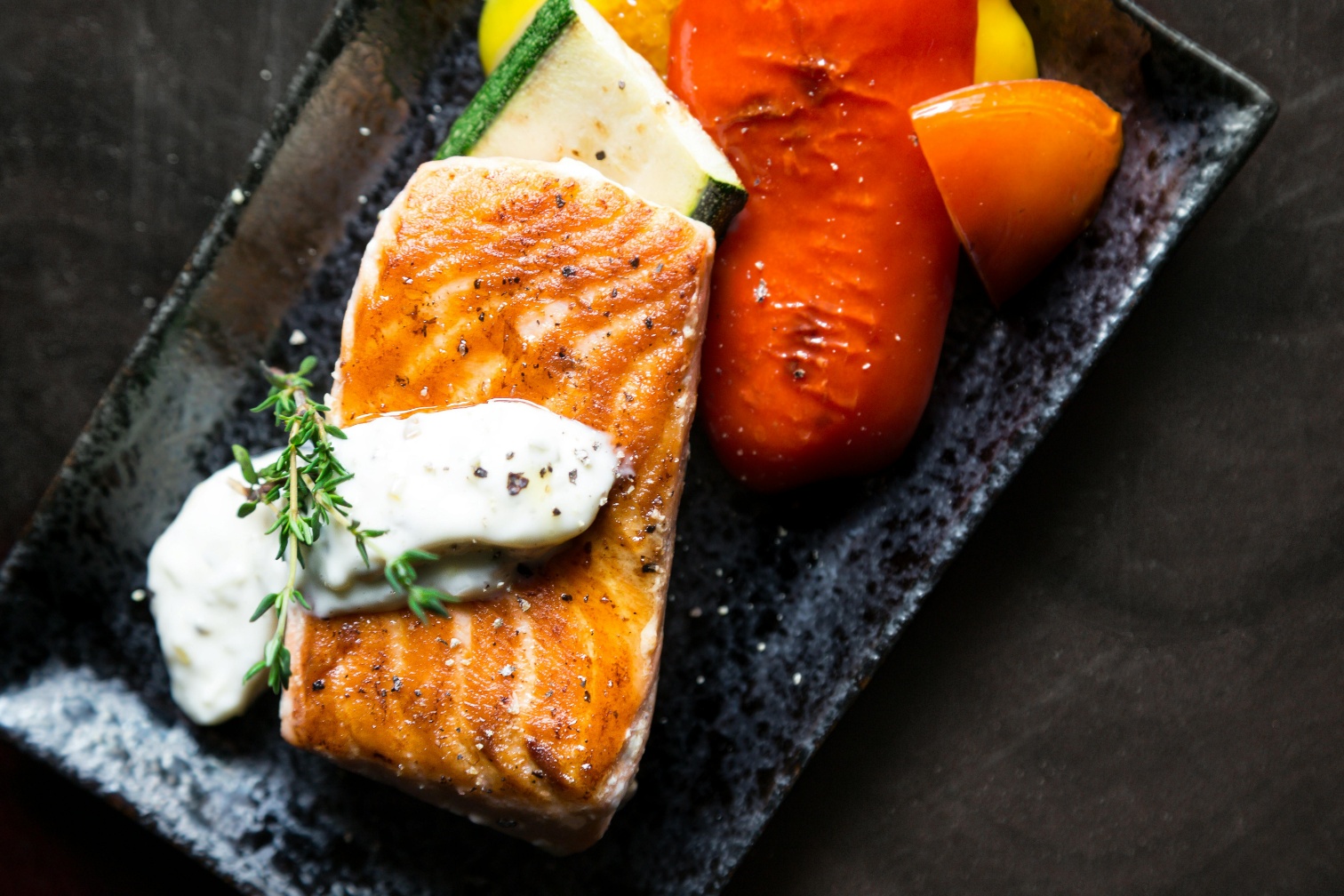
Fatty fish like salmon offer not only high-quality protein but also omega-3 fatty acids that reduce inflammation and support heart health. A 6-oz salmon fillet provides approximately 35-38g of protein with zero carbs.
Simple Salmon Recipe
Season salmon with lemon, garlic, and herbs. Bake at 400°F for 12-15 minutes. Serve with roasted broccoli, bell peppers, and asparagus drizzled with olive oil.
Total nutrition: 45g protein, 15g carbs, 8g fiber
Turkey and Cheese Sandwich (Modified)
Use whole grain bread sparingly or substitute with lettuce wraps for an ultra-low-carb option. Layer sliced turkey breast (28g protein per 4 oz), cheese, tomatoes, and mustard. Add a side salad with olive oil dressing.
Tofu Stir-Fry
For plant-based eaters, firm tofu absorbs flavors beautifully and provides substantial protein. Press and cube 14 oz of firm tofu (yields about 40g protein), then stir-fry with:
- Low-carb vegetables: Bok choy, snap peas, mushrooms, zucchini
- Aromatics: Garlic, ginger, scallions
- Sauce: Soy sauce or tamari, sesame oil, rice vinegar
- Garnish: Sesame seeds and fresh cilantro
Stuffed Bell Peppers
Bell peppers serve as edible bowls for a protein-packed filling. Combine ground turkey or beef with cauliflower rice, diced tomatoes, onions, and spices. Top with a small amount of cheese and bake until peppers are tender.
Chicken and Vegetable Sheet Pan
This one-pan meal minimizes cleanup while maximizing nutrition. Arrange chicken thighs or breasts on a sheet pan surrounded by Brussels sprouts, cauliflower, and red onion. Roast with olive oil and seasoning at 425°F for 25-30 minutes.
Meal Prep Tip
Double or triple these recipes for easy meal prep. Most protein-based dishes store well in the refrigerator for 4-5 days or can be frozen for longer storage.
Healthy High Protein Low Carb Snacks to Keep You Energized
Strategic snacking prevents energy dips and maintains steady blood sugar throughout the day. Harvard Health recommends protein-rich snacks for sustained satiety between meals.
Hard-Boiled Eggs
Perhaps the most portable protein snack, hard-boiled eggs can be prepared in advance and stored for up to one week. Two large eggs provide 12g of protein and less than 1g of carbs. Sprinkle with sea salt, pepper, or everything bagel seasoning for extra flavor.
Cheese Sticks and Cubes
String cheese or cheese cubes offer convenient, portion-controlled snacking. Most varieties provide 6-8g of protein per serving with minimal carbohydrates. Pair with cherry tomatoes or cucumber slices for added nutrition.
Almonds and Mixed Nuts
A quarter-cup of almonds delivers 6g of protein along with healthy fats and fiber. Choose raw or dry-roasted varieties without added sugars. Other excellent options include walnuts, pecans, and macadamia nuts.
Portion Control
While nuts are nutrient-dense, they’re also calorie-dense. Stick to recommended serving sizes (about 1/4 cup or a small handful) to avoid excessive calorie intake.
Homemade Trail Mix
Create your own trail mix by combining raw almonds, pumpkin seeds, sunflower seeds, and a small amount of unsweetened coconut flakes. Skip the dried fruit or use it very sparingly to keep carbs low.
Cucumber with Hummus
Slice cucumbers and pair with 2-3 tablespoons of hummus for a refreshing, protein-rich snack. While chickpeas contain some carbs, the portion size and fiber content make this a balanced option.
Protein-Packed Snack Ideas
| Snack | Protein (g) | Net Carbs (g) | Portability |
|---|---|---|---|
| 2 Hard-Boiled Eggs | 12 | <1 | Excellent |
| String Cheese (2) | 14 | 2 | Excellent |
| Almonds (1/4 cup) | 6 | 3 | Excellent |
| Greek Yogurt (1/2 cup) | 12 | 6 | Good |
| Cucumber + Hummus | 4 | 8 | Fair |
Plant-Based High Protein Low Carb Meal Options
Vegetarians and vegans can absolutely thrive on a high protein, low carb diet by focusing on plant-based protein sources. According to NIH research, combining different plant proteins ensures complete amino acid profiles.
Bean and Quinoa Salad
While quinoa contains more carbs than animal proteins, it offers all nine essential amino acids. Combine cooked quinoa with black beans, chickpeas, diced vegetables, lime juice, and cilantro for a complete meal.
Complete Protein Tip
Combining beans with quinoa creates a complete protein profile. This bowl provides approximately 18g of protein with 35g of carbs, but the high fiber content (12g) makes it suitable for a low-carb lifestyle.
Hearty Lentil Soup
Lentils are protein powerhouses in the legume family. One cup of cooked lentils provides 18g of protein and 16g of fiber, which helps offset the total carb count. Make a large batch with vegetables, vegetable broth, and warming spices like cumin and turmeric.
Tempeh Recipes
Tempeh, made from fermented soybeans, contains more protein and fiber than tofu. A 3-oz serving provides 16g of protein with only 9g of carbs. Marinate and pan-fry tempeh, then serve over cauliflower rice or zucchini noodles.
Tofu Scramble
For a vegan breakfast alternative, crumble firm tofu and sauté with turmeric, nutritional yeast, spinach, and mushrooms. This egg-free scramble delivers substantial protein with minimal carbohydrates.
Edamame and Vegetable Bowls
One cup of edamame provides 17g of protein and only 8g of net carbs (after subtracting fiber). Combine with roasted vegetables, a small portion of brown rice or quinoa, and a tahini-based dressing.
Plant-Based Protein Sources
- Tofu: 10g protein per 1/2 cup, 2g carbs
- Tempeh: 16g protein per 3 oz, 9g carbs
- Lentils: 18g protein per cup cooked, 40g total carbs (16g fiber)
- Chickpeas: 15g protein per cup, 45g total carbs (12g fiber)
- Edamame: 17g protein per cup, 14g total carbs (8g fiber)
- Hemp seeds: 10g protein per 3 tbsp, 3g carbs
- Nutritional yeast: 8g protein per 2 tbsp, 5g carbs
Meal Prep and Batch Cooking Tips for High Protein Low Carb Diets
Meal preparation is essential for maintaining a high protein, low carb lifestyle, especially during busy weeks. Northwell Health emphasizes that planning ahead prevents impulsive food choices that derail dietary goals.
Plan Your Protein Sources
Start each week by selecting 3-4 protein sources to prepare in bulk:
- Grilled chicken breasts (season multiple ways to prevent boredom)
- Ground turkey or beef for versatile use
- Hard-boiled eggs (prep 12-18 at once)
- Baked salmon or white fish
- Tofu or tempeh for plant-based options
Batch Cook Vegetables
Roast large quantities of low-carb vegetables at the beginning of the week:
- Preheat oven to 425°F
- Chop broccoli, cauliflower, Brussels sprouts, bell peppers, and zucchini
- Toss with olive oil, salt, and pepper
- Roast for 25-30 minutes, stirring halfway through
- Store in airtight containers for quick meal assembly
Storage and Reheating Guidelines
| Food Type | Refrigerator (40°F) | Freezer (0°F) | Reheating Method |
|---|---|---|---|
| Ground Meat Dishes | 3-4 days | 3-4 months | Stovetop or microwave |
| Hard-Boiled Eggs | 7 days | Not recommended | Serve cold |
| Cooked Fish | 2-3 days | 2-3 months | Gentle oven reheat |
| Roasted Vegetables | 4-5 days | 3-4 months | Oven or stovetop |
Portion Control Strategies
Use divided containers to create balanced meals with appropriate macros. A typical portion includes:
- 4-6 oz of protein (palm-sized portion)
- 2 cups of non-starchy vegetables
- 1-2 tablespoons of healthy fats (olive oil, nuts, avocado)
- Optional: 1/4-1/2 cup of complex carbs like quinoa or sweet potato
Freezer-Friendly Recipes
Some meals freeze exceptionally well, allowing you to prepare even further in advance:
- Stuffed bell peppers (freeze before or after cooking)
- Chili with ground turkey and beans
- Meatballs (turkey, beef, or chicken)
- Soups and stews (lentil, chicken vegetable)
- Marinated raw chicken (freezes with marinade, ready to cook)
Time-Saving Kitchen Tools
- Instant Pot: Cook proteins and soups in fraction of the time
- Air fryer: Quick, low-oil cooking for proteins and vegetables
- Food processor: Chop vegetables rapidly
- Sheet pans: Roast multiple items simultaneously
- Quality storage containers: Glass containers prevent staining and odors
Health Benefits and Common Myths About High Protein Low Carb Diets
Proven Health Benefits
Research from recent studies demonstrates multiple benefits of high protein, low carb eating patterns:
Evidence-Based Benefits
- Weight Loss: High protein intake increases satiety and reduces overall calorie consumption
- Muscle Preservation: Research suggests 1.6-2.2g/kg body weight supports muscle building even during calorie restriction
- Blood Sugar Control: Reducing carbohydrates stabilizes blood glucose and improves insulin sensitivity
- Reduced Cravings: Protein and healthy fats minimize hunger hormones like ghrelin
- Improved Body Composition: Higher protein diets linked to better fat loss while maintaining lean mass
- Cardiovascular Health: Can improve triglyceride levels and HDL cholesterol when emphasizing healthy fats
Common Myths Debunked
Myth 1: High Protein Diets Damage Kidneys
According to NIH research, moderate to high protein intake is safe for individuals with healthy kidney function. However, those with existing kidney disease should consult their healthcare provider before significantly increasing protein consumption.
Medical Guidance
If you have kidney disease, diabetes, or other chronic conditions, work with a registered dietitian or physician to determine appropriate protein levels for your individual needs.
Myth 2: Low Carb Diets Are Unsustainable
Research shows that approximately a majority of low-carb dieters maintain the diet for over one year, with 34% sustaining it for over two years, contradicting claims that these eating patterns are impossibly restrictive. Success increases when focusing on whole foods rather than processed low-carb products.
Myth 3: You Need Carbs for Energy
While carbohydrates are a quick energy source, your body efficiently produces energy from fats and proteins through metabolic pathways like gluconeogenesis and ketogenesis. Many people report more stable energy levels on lower-carb diets.
Myth 4: High Protein Diets Lack Fiber
When properly designed, high protein, low carb diets include abundant vegetables, nuts, and seeds—all excellent fiber sources. The key is prioritizing non-starchy vegetables and avoiding the trap of eating only meat and cheese.
How Many Carbs on a Low Carb Diet?
According to VA Health guidelines, low-carb diets typically fall into these categories:
- Moderate low-carb: 100-150g carbs per day
- Low-carb: 50-100g carbs per day
- Ketogenic: 20-50g carbs per day
The Wisconsin Family Medicine approach recommends approximately 30g of carbs per meal, totaling about 90g daily, as a sustainable middle ground for most people.
Frequently Asked Questions About High Protein Low Carb Meals
The quickest options include Greek yogurt parfaits (5 minutes), veggie omelets (10 minutes), grilled chicken with salad (15 minutes), or salmon with roasted vegetables (20 minutes). Northwell Health recommends keeping pre-cooked proteins and washed vegetables on hand for even faster assembly.
Yes, plant-based eaters can thrive on this approach by emphasizing tofu, tempeh, edamame, lentils, beans, quinoa, nuts, and seeds. The key is combining different plant proteins to ensure complete amino acid profiles. For example, pairing beans with quinoa or rice creates a complete protein.
For individuals with healthy kidneys, moderate to high protein intake is safe according to NIH research. However, those with pre-existing kidney disease should consult their doctor before significantly increasing protein consumption. Stay well-hydrated and have regular check-ups if you have any concerns.
Start by batch-cooking 3-4 protein sources (grilled chicken, ground turkey, hard-boiled eggs, baked fish) and roasting large quantities of low-carb vegetables. Store portions in divided containers with 4-6 oz protein, 2 cups vegetables, and healthy fats. Most prepared meals keep 3-4 days refrigerated or 2-3 months frozen.
Harvard Health recommends hard-boiled eggs (12g protein, <1g carbs for two eggs), string cheese (7g protein, 1g carbs), Greek yogurt (12g protein, 6g carbs per half-cup), almonds (6g protein, 3g net carbs per 1/4 cup), and homemade trail mix with nuts and seeds.
This varies based on goals and activity level. VA Health suggests that moderate low-carb diets allow 100-150g carbs daily, standard low-carb diets use 50-100g, and ketogenic approaches limit carbs to 20-50g per day. Many people find 75-100g of carbs sustainable long-term.
Yes, protein stabilizes blood sugar by slowing digestion and reducing glucose spikes. Research shows that high protein meals paired with fiber-rich vegetables improve insulin sensitivity and reduce cravings, making this approach particularly beneficial for those with prediabetes or type 2 diabetes.
Absolutely. Rutgers NJAES recommends affordable proteins like eggs (often under $3/dozen), canned tuna or salmon ($1-3 per can), dried beans and lentils (under $2/pound), Greek yogurt on sale, whole chickens (cheaper per pound than breasts), and seasonal vegetables. Buying in bulk and meal prepping maximizes savings.
Common pitfalls include neglecting vegetables and fiber, consuming too much processed “low-carb” products, not drinking enough water, eating excessive saturated fats, and forgetting to include variety in protein sources. Harvard Health emphasizes that nutrient density matters as much as macro ratios.
Focus on healthy fats from olive oil, avocados, nuts, seeds, and fatty fish while limiting saturated fats and avoiding trans fats. Northwell Health recommends that when reducing carbs, moderate increases in healthy fats help maintain energy and satiety without compromising cardiovascular health.
Conclusion
High protein, low carb meals offer a sustainable approach to weight management, muscle maintenance, and blood sugar control. By incorporating diverse protein sources—from Greek yogurt and eggs to salmon, tofu, and lentils—alongside nutrient-dense, low-carb vegetables, you create satisfying meals that support your health goals.
Success with this eating pattern comes from preparation and variety. Meal prepping proteins and vegetables at the week’s start ensures you always have healthy options ready. Whether you’re making quick veggie omelets for breakfast, stuffed bell peppers for dinner, or grabbing hard-boiled eggs as snacks, these recipes prove that eating well doesn’t require complicated techniques or exotic ingredients.
Remember that sustainable dietary changes happen gradually. Start by adding one or two high protein, low carb meals to your weekly routine and build from there. Your body will reward you with improved energy, better body composition, and enhanced overall well-being.
References
- Harvard Health Publishing. (2025). Low-carb snacks: Easy and healthy options for any time of day. https://www.health.harvard.edu/nutrition/low-carb-snacks-easy-and-healthy-options-for-any-time-of-day
- Northwell Health. (2025). High-protein meal plan. https://thewell.northwell.edu/healthy-living-fitness/high-protein-meal-plan
- National Institutes of Health, NCBI Bookshelf. (2024). Low-Carbohydrate Diets. https://www.ncbi.nlm.nih.gov/books/NBK537084/
- PMC. (2024). Sustainability and health effects of low-carb diets. https://pmc.ncbi.nlm.nih.gov/articles/PMC11944661/
- Rutgers NJAES. (2024). Healthy meals and snacks for families. https://njaes.rutgers.edu/fs1057/
- University of Wisconsin Family Medicine. (2023). 30-gram carb per meal sample menu. https://www.fammed.wisc.edu/wp-content/uploads/2023/02/30-gram-carb-per-meal-sample-menu.pdf
- VA Health. (2019). Low-Carb Diet Overview. https://www.myhealth.va.gov/mhv-portal-web/ss20190724-low-carb-diet
- PMC. (2024). Protein intake and body composition research. https://pmc.ncbi.nlm.nih.gov/articles/PMC11022925/
- Harvard T.H. Chan School of Public Health. (2025). Nutrition Source Recipes. https://nutritionsource.hsph.harvard.edu/recipes/
- Harvard Health Publishing. (2025). Creating balanced, healthy meals from low-calorie, nutrient-dense foods. https://www.health.harvard.edu/nutrition/creating-balanced-healthy-meals-from-low-calorie-nutrient-dense-foods
Disclaimer:
The information provided on MD-Pilot is for educational and informational purposes only. It is not intended as a substitute for professional medical advice, diagnosis, or treatment. Always seek the advice of your physician or other qualified healthcare provider with any questions you may have regarding a medical condition. Never disregard professional medical advice or delay in seeking it because of something you have read on this website.


Weekly Health Intel
Get evidence-based health tips, latest research, and exclusive guides delivered weekly