


Table Of Contents
-
Quick Answer
-
Key Highlights
-
What Is a Cold Plunge? Understanding Cold Water Immersion Therapy
- Top Benefits of Cold Plunging for Mental and Physical Health
- How Cold Plunges Aid Muscle Recovery and Reduce Inflammation
- The Science Behind Cold Plunge: Physiological and Neurochemical Effects
- Safety Tips and Precautions for Cold Plunge Therapy
- Cold Plunge vs Ice Bath: What's the Difference?
- How to Get Started with Cold Plunging: A Beginner's Guide
-
Frequently Asked Questions About Cold Plunge Benefits
-
Conclusion: Evidence-Based Cold Plunge Practice
-
References and Sources
Quick Answer
Cold plunges offer evidence-based benefits including stress reduction, improved sleep quality, mood enhancement, acute inflammation reduction, and immune system support. However, benefits vary by individual, timing matters for athletic performance, and people with cardiovascular conditions should consult a doctor before starting.
Key Highlights
- Cold plunges can temporarily reduce stress and improve sleep quality, with evidence showing enhanced quality of life in systematic reviews
- Mental health benefits include mood elevation, reduced anxiety, and increased resilience linked to neurochemical releases (dopamine, norepinephrine, endorphins)
- Cold water immersion triggers the cold shock response, activating the sympathetic nervous system and initially increasing heart rate and blood pressure
- Regular cold plunging leads to habituation, reducing the shock response and improving tolerance and mental resilience
- Cold plunges may reduce inflammation acutely but could blunt muscle strength gains by 10-15% if used immediately post-resistance training
- Safety is critical: people with cardiovascular issues or poor circulation should consult a doctor before cold plunging
- Cold plunges can boost immune function by increasing white blood cell counts, though evidence is stronger in habitual cold swimmers
What Is a Cold Plunge? Understanding Cold Water Immersion Therapy
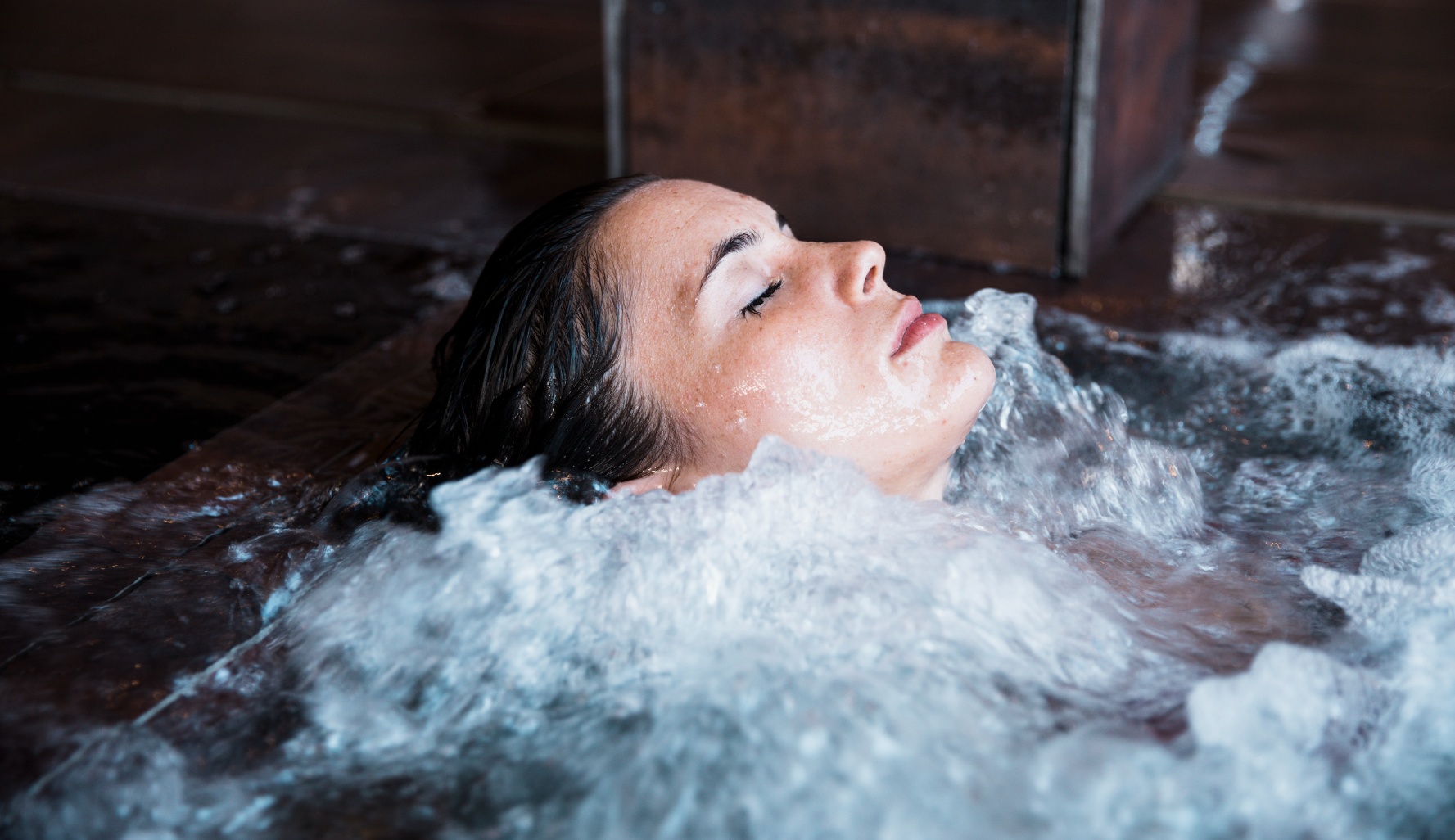
A cold plunge involves immersing your body in cold water, typically at temperatures ranging from 35-59°F (2-15°C), for a brief period of time. This practice, also known as cold water immersion (CWI) or cold water therapy, has gained significant popularity in wellness circles, athletic recovery programs, and mental health communities.
Unlike a quick cold shower that lasts seconds, a cold plunge typically involves full-body immersion for 3-20 minutes. It differs from cryotherapy, which uses extremely cold air (often below -100°F) for 2-3 minutes, in both temperature range and immersion medium. Cold plunges can be done in specialized cold plunge pools, ice baths, converted chest freezers, or natural bodies of water.
The practice has cultural roots in polar plunges and Nordic traditions, but modern research has begun to validate many of its purported health benefits while also clarifying limitations and risks.
| Method | Temperature Range | Duration | Medium |
|---|---|---|---|
| Cold Plunge | 35-59°F (2-15°C) | 3-20 minutes | Water |
| Ice Bath | 32-50°F (0-10°C) | 5-15 minutes | Ice water |
| Cold Shower | 50-70°F (10-21°C) | 30 seconds - 5 minutes | Water |
| Cryotherapy | -100 to -140°F (-73 to -96°C) | 2-3 minutes | Cold air |
Top Benefits of Cold Plunging for Mental and Physical Health
Stress Reduction and Improved Sleep Quality
A 2025 systematic review and meta-analysis published in PLOS One examined 11 studies on cold-water immersion effects on health and wellbeing. The research found significant stress reduction 12 hours post-immersion (standardized mean difference: -1.00), suggesting that cold plunges may help regulate the body’s stress response systems.
Sleep quality improvements have been particularly notable in male participants. Harvard Health reported that men showed improved sleep quality after ice baths, though results in women were less consistent, highlighting important sex differences in cold water immersion responses.
Mental Health Benefits: Mood Enhancement and Anxiety Relief
Cold water immersion triggers a cascade of neurochemical changes that may explain its mental health benefits. When you plunge into cold water, your body releases:
- Dopamine: The “motivation molecule” associated with reward and pleasure
- Norepinephrine: A neurotransmitter that enhances focus and alertness
- Endorphins: Natural pain relievers that create feelings of euphoria
- Serotonin: A mood regulator linked to feelings of wellbeing
A qualitative study from Liberty University examining participants after six cold water immersion sessions found reported improvements in mood, reduced anxiety symptoms, and increased stress resilience. Participants described feeling more capable of handling daily stressors and experiencing improved mental clarity.
Research Insight
The mental health benefits of cold plunging appear to stem from the controlled stress exposure, which may help build psychological resilience through hormetic stress – a beneficial stress that strengthens adaptive systems.
Immune System Modulation
According to research highlighted by Case Western Reserve University, cold water immersion can increase white blood cell counts, particularly in habitual cold swimmers. The immune boost appears to be dose-dependent, with regular practitioners showing more pronounced effects than occasional users.
However, researchers caution that while these immune markers improve, this doesn’t necessarily translate to fewer illnesses. More research is needed to understand the clinical significance of these immune changes.
How Cold Plunges Aid Muscle Recovery and Reduce Inflammation
Acute Inflammation Reduction and Pain Relief
Cold water immersion works to reduce inflammation through vasoconstriction – the narrowing of blood vessels in response to cold. This process can help:
- Reduce swelling in injured or overworked tissues
- Decrease metabolic activity in damaged cells, potentially limiting secondary tissue damage
- Provide temporary pain relief through numbing effects
- Lower inflammatory markers in the acute phase post-exercise
The Athletic Performance Paradox
While cold plunges can aid recovery, timing is crucial. A comprehensive review by MCPHS physical therapists found that ice baths immediately after resistance training can reduce strength gains by 10-15% over time. This occurs because the inflammatory response is actually necessary for muscle adaptation and growth.
Important for Athletes
If your goal is building muscle strength, avoid cold plunges immediately after resistance training. Wait at least 4-6 hours, or use cold therapy only after endurance workouts or on rest days.
Best Practices for Timing Cold Plunges
| Workout Type | Cold Plunge Timing | Reasoning |
|---|---|---|
| Resistance Training | Wait 4-6+ hours or avoid | Preserve muscle adaptation and strength gains |
| Endurance Training | Immediately or within 1 hour | Reduce inflammation without interfering with performance adaptations |
| High-Intensity Interval Training | 1-2 hours post-workout | Balance recovery with metabolic adaptations |
| Rest Days | Anytime | Mental health benefits without training interference |
The Science Behind Cold Plunge: Physiological and Neurochemical Effects
The Cold Shock Response
The moment you enter cold water, your body activates what’s known as the cold shock response. This involves:
- Gasping reflex: An involuntary sharp intake of breath
- Hyperventilation: Rapid, uncontrolled breathing
- Heart rate spike: Immediate increase in heart rate and blood pressure
- Vasoconstriction: Blood vessels constrict to preserve core body temperature
- Sympathetic nervous system activation: Fight-or-flight response engagement
Research from Case Western Reserve University explains that this initial shock is actually the body’s protective mechanism. While it can feel overwhelming, understanding this response helps practitioners manage it safely.
Heart Rate Variability and Cardiovascular Effects
Regular cold exposure may improve heart rate variability (HRV) – a marker of cardiovascular health and stress resilience. Higher HRV generally indicates better cardiovascular fitness and stress management capacity. However, Harvard Health cautions that people with existing cardiovascular conditions face increased risks from the sudden cardiovascular strain.
Long-term Adaptations: Habituation and Brown Fat Activation
With regular practice, several important adaptations occur:
- Habituation: The cold shock response diminishes as your nervous system adapts to the stressor
- Brown adipose tissue activation: Specialized fat tissue that generates heat becomes more active, improving cold tolerance
- Improved stress resilience: The ability to remain calm under controlled stress improves
- Metabolic adaptations: Potential improvements in glucose metabolism and insulin sensitivity
Adaptation Timeline
Most people notice reduced cold shock response within 2-4 weeks of regular practice (3-4 times per week). Full adaptation to specific temperatures may take 6-8 weeks.
Safety Tips and Precautions for Cold Plunge Therapy
Who Should Avoid Cold Plunges
Cold plunging is not safe for everyone. Harvard Health advises that the following groups should avoid cold plunges or consult a physician first:
- People with cardiovascular disease, heart arrhythmias, or a history of heart attack
- Individuals with Raynaud’s disease or poor circulation
- Those with uncontrolled high blood pressure
- Pregnant women (consult physician first)
- People with cold urticaria (allergic reaction to cold)
- Anyone with epilepsy or seizure disorders
Medical Warning
The cardiovascular strain from cold water immersion can trigger cardiac events in vulnerable individuals. Always consult a healthcare provider if you have any cardiovascular concerns before starting cold plunge therapy.
How to Acclimate Safely
Safe acclimation is key to sustainable cold plunge practice. Follow this progressive approach:
- Week 1-2: End showers with 30-60 seconds of cold water
- Week 3-4: Increase cold shower duration to 2-3 minutes
- Week 5-6: Try first cold plunge at 55-60°F for 2-3 minutes
- Week 7-8: Gradually decrease temperature to 50-55°F, increase time to 5-7 minutes
- Week 9+: Work toward target temperature (45-50°F) and duration (10-15 minutes)
Recommended Duration and Temperature Limits
Research suggests the following guidelines for safe practice:
- Temperature: 45-59°F (7-15°C) for beginners; experienced practitioners may go as low as 35-40°F (2-4°C)
- Duration: Start with 1-3 minutes, gradually work up to 10-15 minutes maximum
- Frequency: 2-4 times per week for beginners; daily for experienced practitioners
- Never exceed: 15-20 minutes, as hypothermia risk increases significantly beyond this point
Signs of Hypothermia and Cold Shock to Watch For
Exit the water immediately if you experience:
- Intense shivering that won’t stop
- Loss of coordination or fumbling hands
- Slurred speech or confusion
- Drowsiness or unusual fatigue
- Numbness that doesn’t resolve within 1-2 minutes of exiting
- Bluish skin, particularly around lips and fingers
Safety First
Never cold plunge alone, especially when beginning. Always have someone nearby who can assist if you experience difficulties. Keep warm towels and clothing readily accessible.
Cold Plunge vs Ice Bath: What's the Difference?
While often used interchangeably, cold plunges and ice baths have distinct characteristics:
Temperature Differences
Ice baths typically range from 32-50°F (0-10°C), often achieved by adding ice to water. Cold plunges usually maintain a steady 45-59°F (7-15°C) using temperature-controlled systems. Ice baths are colder and may produce more intense physiological responses.
Immersion Depth and Duration
Ice baths often involve partial immersion (legs and lower torso) for 5-10 minutes, commonly used in athletic settings. Cold plunges typically involve full-body immersion up to the neck for 3-15 minutes, emphasizing overall systemic effects.
Practical Considerations
| Factor | Cold Plunge | Ice Bath |
|---|---|---|
| Cost | Higher initial investment ($1,000-$10,000+ for dedicated units) | Lower cost (bathtub + ice: $5-20 per session) |
| Temperature Control | Precise, consistent temperature | Variable, melts over time |
| Convenience | Ready anytime (if using dedicated unit) | Requires ice preparation |
| Space Requirements | Dedicated space needed | Can use existing bathtub |
How to Get Started with Cold Plunging: A Beginner's Guide
Preparing Mentally and Physically
Mental preparation is as important as physical acclimation. Before your first cold plunge:
- Practice breathwork: Learn box breathing (4-count inhale, hold, exhale, hold) to manage the gasping reflex
- Set realistic expectations: It will be uncomfortable at first – that’s normal and expected
- Understand the why: Connect with your personal motivation for cold plunging
- Schedule properly: Choose a time when you’re not rushed and can warm up properly afterward
Step-by-Step First Cold Plunge
- Warm up first: Do light movement or warm shower to ensure normal body temperature
- Check water temperature: Start at 55-60°F for first attempt
- Enter slowly: Step in gradually, starting with feet and lower legs
- Control breathing: Focus on slow, controlled breaths through the initial shock
- Full immersion: Once breathing stabilizes, lower yourself to shoulder depth
- Start timer: Begin with just 1-2 minutes for your first session
- Exit when planned: Don’t stay longer than intended initially
- Warm up properly: Dry off, put on warm clothes, move gently to rewarm
Equipment Options
You have several options for cold plunging:
- Dedicated cold plunge pools: Professional units with temperature control ($3,000-$10,000+)
- Converted chest freezers: DIY option with thermostat control ($500-$1,500)
- Ice baths: Regular bathtub with ice ($5-20 per session)
- Natural bodies of water: Lakes, rivers, oceans (free, but temperature varies seasonally)
- Inflatable tubs: Portable cold plunge tubs ($100-$500)
Tips for Maximizing Benefits and Minimizing Risks
Pro Tips
- Stay consistent – benefits accumulate with regular practice (3-4x per week)
- Track your sessions – note temperature, duration, and how you feel
- Don’t compete – progress at your own pace, not based on others’ protocols
- Time it right – avoid cold plunges immediately after resistance training
- Listen to your body – some days you’ll tolerate more, some less
- Combine with breathwork – controlled breathing enhances stress resilience benefits
Frequently Asked Questions About Cold Plunge Benefits
Research from Harvard Health, PLOS One, and Case Western Reserve University shows cold plunges can provide stress reduction, improved sleep quality, mood enhancement through neurochemical release (dopamine, endorphins), inflammation reduction, immune system modulation, and mental resilience building.
According to Harvard Health and the Liberty University study, beginners should start with 1-3 minutes and gradually work up to 10-15 minutes maximum. Staying longer than 15 minutes significantly increases hypothermia risk, especially in water below 60°F.
No. Harvard Health and Case Western Reserve University research indicates that people with cardiovascular disease, arrhythmias, or poor circulation should not cold plunge without explicit medical clearance, as the cold shock response can trigger dangerous cardiovascular events.
It depends on your training goals. According to MCPHS and PLOS One research, cold plunges may reduce inflammation and soreness, but can blunt muscle strength gains by 10-15% when used immediately after resistance training. They’re beneficial after endurance workouts or when timed 4-6+ hours post-resistance training.
A Liberty University qualitative study and Case Western Reserve research show cold water immersion may reduce anxiety and depression symptoms, improve mood via neurochemical release (dopamine, norepinephrine, serotonin, endorphins), and increase stress resilience through controlled stress exposure and adaptation.
According to Case Western Reserve and Harvard Health, ice baths are typically colder (32-50°F, often near freezing) with ice added to water, while cold plunges maintain steady temperatures of 45-59°F using temperature control systems. Immersion depth, duration, and practical setup also vary, but physiological effects are similar when temperature and duration are matched.
The Liberty University study and Harvard Health recommend gradual acclimation: start with cold showers (30-60 seconds), progress to longer cold showers (2-3 minutes), then try your first plunge at warmer temperatures (55-60°F) for short durations (1-3 minutes). Never plunge alone, always monitor your body’s signals, and have warm clothes ready.
Case Western Reserve University and PLOS One research shows evidence that habitual cold swimmers experience increased white blood cell counts. However, the immune effect is less clear for occasional users, and increased immune markers don’t necessarily translate to fewer illnesses – more research is needed on clinical outcomes.
Harvard Health and the PLOS One meta-analysis report that men often experience improved sleep quality after cold plunges, with benefits appearing hours after immersion. However, effects on women show less consistency, highlighting important sex differences in cold water immersion responses.
According to Harvard Health and Case Western Reserve, risks include the cold shock response (gasping, hyperventilation), hypothermia (especially after 15+ minutes in water below 60°F), cardiovascular strain that can trigger events in vulnerable individuals, and drowning risk if panic occurs. Proper supervision, gradual acclimation, and medical clearance for at-risk groups are essential.
Conclusion: Evidence-Based Cold Plunge Practice
The science continues to evolve, but current evidence suggests that when practiced safely and consistently, cold water immersion can be a valuable tool for mental and physical health – one that’s accessible to many people willing to embrace the temporary discomfort for longer-term benefits.
References and Sources
- Harvard Health Publishing. (2025). Cold plunges: Healthy or harmful for your heart? Balanced review of cardiovascular effects, safety, and benefits.
- Case Western Reserve University. (2025). The science behind ice baths and polar plunges: Are they truly beneficial? Expert physiological insights and risk analysis.
- MCPHS University. (2025). Physical therapist explains why you should chill out on ice baths. Physical therapy perspective on recovery and performance impact.
- Harvard Health Publishing. (2025). Research highlights health benefits from cold-water immersions. Summary of systematic review and meta-analysis on cold-water immersion benefits.
- NIH National Library of Medicine. (2025). Systematic review on cold water immersion effects on balance and postural control. PMC research article.
- PLOS One. (2025). Systematic review and meta-analysis on cold-water immersion effects on health and wellbeing. Meta-analysis of 11 studies showing stress reduction and sleep benefits.
- Liberty University Digital Commons. (2025). Qualitative study on cold water immersion and mental health. Dissertation examining mental health improvements after CWI sessions.
- NIH National Library of Medicine. (2025). Protocol for systematic review on cold-water exposure and mental health. Research protocol for mental health investigation.
- Harvard Health Publishing. (2025). Can ice baths improve your health? Q&A format covering ice bath benefits and risks.
Disclaimer:
The information provided on MD-Pilot is for educational and informational purposes only. It is not intended as a substitute for professional medical advice, diagnosis, or treatment. Always seek the advice of your physician or other qualified healthcare provider with any questions you may have regarding a medical condition. Never disregard professional medical advice or delay in seeking it because of something you have read on this website.


Weekly Health Intel
Get evidence-based health tips, latest research, and exclusive guides delivered weekly