


Table Of Contents
-
Quick Answer
-
Key Highlights
- What Is Blood Sugar (Blood Glucose)? Understanding the Terms
- How Is Blood Glucose Measured? Tests and Methods Explained
- The Role of Insulin in Regulating Blood Sugar Levels
- Blood Sugar Levels: What Is Normal and What Is Not?
-
Common Misconceptions About Blood Sugar and Blood Glucose
- Misconception #1: "Blood Sugar" and "Blood Glucose" Are Different Substances
- Misconception #2: Blood Sugar Tests and Blood Glucose Tests Measure Different Things
- Misconception #3: Only People with Diabetes Need to Monitor Blood Glucose
- Misconception #4: "Blood Glucose" Is the More Accurate Scientific Term
- Practical Tips for Monitoring and Managing Blood Sugar
-
Frequently Asked Questions
-
Conclusion: Taking Control of Your Blood Glucose Health
-
References
Quick Answer
Yes, blood sugar and blood glucose are exactly the same thing. Both terms refer to glucose circulating in your bloodstream, which serves as your body’s primary energy source. Medical professionals may use “blood glucose” more frequently, while “blood sugar” is the more common everyday term.
Key Highlights
- Blood sugar and blood glucose are interchangeable terms referring to glucose in the bloodstream
- Glucose is the main sugar and primary energy source for the body
- Blood glucose levels are tightly regulated by insulin and glucagon hormones
- Blood sugar is measured via various tests including fingerstick, venous blood draw, and continuous glucose monitors
- Normal fasting blood glucose ranges from about 70 to 100 mg/dL
- High or low blood sugar levels can indicate or cause health problems such as diabetes or hypoglycemia
- Understanding blood sugar helps in managing diabetes and overall health
If you’ve ever wondered whether “blood sugar” and “blood glucose” mean different things, you’re not alone. Many people encounter both terms when reading about diabetes, health tests, or nutrition. This comprehensive guide clarifies the terminology, explains how blood glucose works in your body, and provides practical information on testing and managing your levels.
What Is Blood Sugar (Blood Glucose)? Understanding the Terms
Blood sugar and blood glucose refer to the exact same substance: glucose present in your bloodstream. Glucose is a simple sugar (monosaccharide) that your body uses as its main source of energy. Every cell in your body needs glucose to function properly, from your brain cells to your muscle cells.
The term “blood glucose” is more commonly used in medical and scientific contexts, while “blood sugar” is the everyday term most people use in conversation. Both are correct, and healthcare professionals use them interchangeably. According to MedlinePlus, these terms describe the same physiological measurement and concept.
Where Does Blood Glucose Come From?
Your blood glucose primarily comes from the foods you eat, particularly carbohydrates. When you consume foods containing carbohydrates (bread, fruit, pasta, vegetables), your digestive system breaks them down into glucose. This glucose is then absorbed into your bloodstream and transported throughout your body to provide energy for your cells.
Your liver also plays a crucial role in maintaining blood glucose levels by storing excess glucose as glycogen and releasing it when your blood sugar drops, such as between meals or during sleep.
Why Are Both Terms Used?
The dual terminology exists for historical and contextual reasons. “Blood sugar” is the more accessible, layperson-friendly term that’s been in common use for generations. “Blood glucose” is the more scientifically precise term used in medical literature, research papers, and clinical settings. Healthcare providers may alternate between both terms depending on their audience, but the meaning remains identical.
How Is Blood Glucose Measured? Tests and Methods Explained
Understanding how blood glucose is measured helps you interpret test results and manage your health effectively. Several methods exist for testing blood glucose levels, each with specific uses and accuracy levels.
Fingerstick Blood Glucose Meters
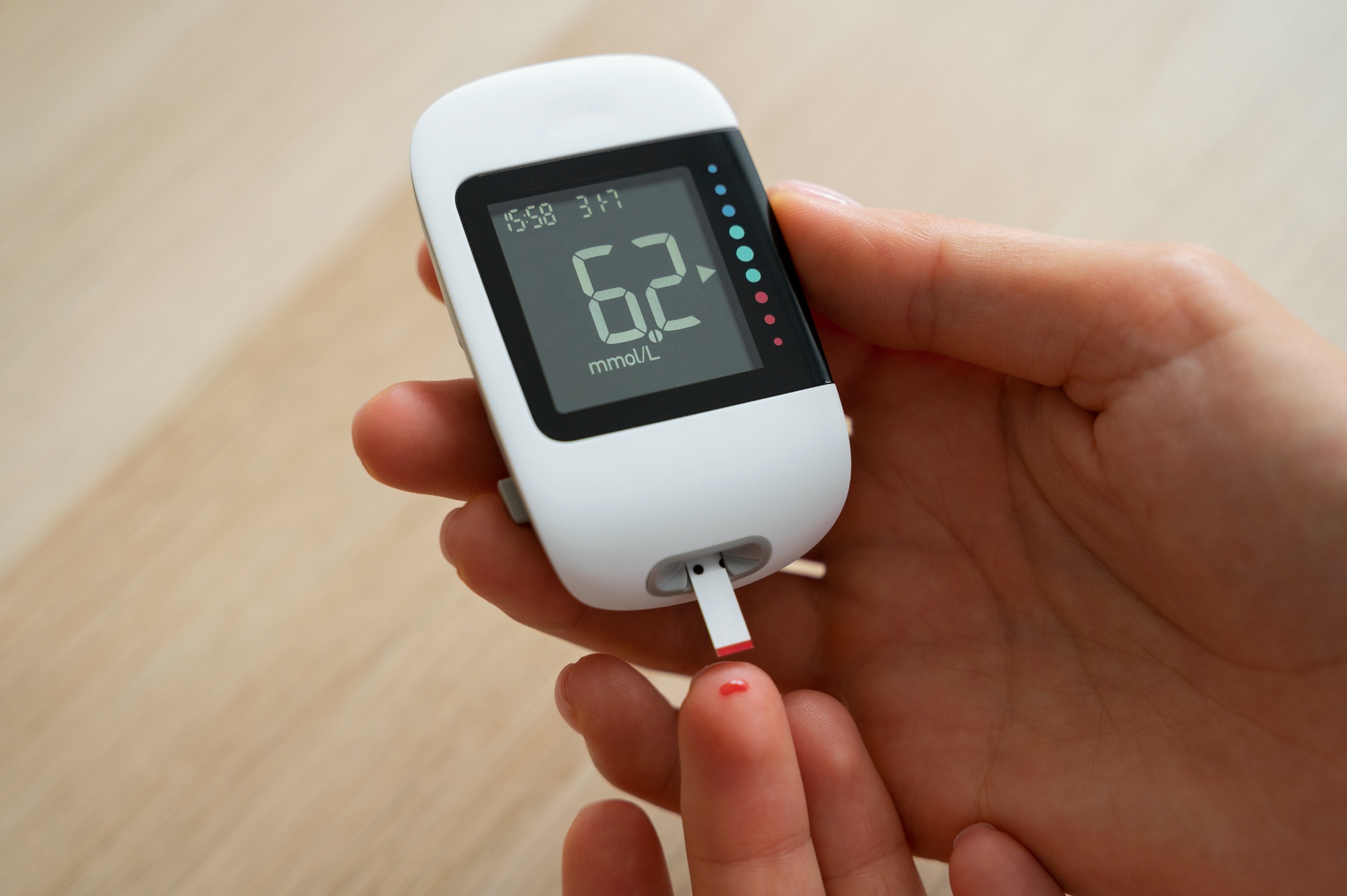
Home blood glucose meters are the most common testing method for people with diabetes. These devices require a small drop of blood, typically obtained by pricking a fingertip with a lancet. The blood is placed on a test strip that’s inserted into the meter, which then displays your blood glucose level within seconds.
According to NCBI research, modern glucose meters have an accuracy range of approximately ±15%, which is sufficient for day-to-day monitoring and diabetes management decisions.
Venous Blood Tests
Laboratory blood tests involve drawing blood from a vein, usually in your arm. These tests are more accurate than fingerstick meters and are used for diagnostic purposes, including fasting blood glucose tests and oral glucose tolerance tests. Healthcare providers use venous blood tests to diagnose diabetes, prediabetes, and to establish baseline measurements.
Continuous Glucose Monitors (CGMs)
Continuous glucose monitors represent the newest technology in blood sugar monitoring. These small sensors are inserted just under the skin (usually on the abdomen or arm) and measure glucose levels in interstitial fluid every few minutes, 24 hours a day. CGMs provide real-time data and trend information, alerting users to high or low blood sugar levels.
CGMs have revolutionized diabetes management by providing comprehensive data about glucose patterns, responses to food, exercise effects, and overnight trends that fingerstick testing would miss.
Units of Measurement: mg/dL vs mmol/L
Blood glucose is measured in two different units depending on geographic location:
- mg/dL (milligrams per deciliter) – Used primarily in the United States
- mmol/L (millimoles per liter) – Used in most other countries
To convert between units: multiply mg/dL by 0.0555 to get mmol/L, or multiply mmol/L by 18 to get mg/dL. For example, 100 mg/dL equals approximately 5.6 mmol/L.
| Test Type | Accuracy | Use Case | Frequency |
|---|---|---|---|
| Fingerstick Meter | ±15% | Daily monitoring | 1-8 times daily |
| Venous Blood Test | High (laboratory standard) | Diagnosis, baseline | Annually or as needed |
| Continuous Monitor | ±10-15% | Real-time tracking | Continuous |
| A1C Test | High (laboratory standard) | 3-month average | Every 3-6 months |
The Role of Insulin in Regulating Blood Sugar Levels
Your body maintains blood glucose levels within a narrow range through a sophisticated hormonal system. Insulin, produced by beta cells in your pancreas, is the primary hormone responsible for lowering blood glucose levels.
How Insulin Works
When you eat and your blood glucose rises, your pancreas releases insulin into your bloodstream. Insulin acts like a key, unlocking cells throughout your body so they can absorb glucose from the blood. This process provides cells with the energy they need and simultaneously lowers blood glucose levels back to the normal range.
As explained by NCBI’s physiology research, insulin facilitates glucose uptake particularly in muscle cells, fat cells, and liver cells. The liver converts excess glucose into glycogen for storage, which can be released later when blood sugar drops.
Glucagon: Insulin's Counterpart
While insulin lowers blood glucose, glucagon raises it. Produced by alpha cells in the pancreas, glucagon is released when blood glucose levels fall too low (such as between meals or during exercise). Glucagon signals the liver to break down stored glycogen and release glucose into the bloodstream, preventing hypoglycemia.
This insulin-glucagon balance works continuously, maintaining your blood glucose in the optimal range throughout the day and night.
What Happens in Diabetes?
Diabetes occurs when this regulatory system malfunctions. In type 1 diabetes, the pancreas produces little or no insulin because the immune system has destroyed the insulin-producing beta cells. People with type 1 diabetes must take insulin injections or use an insulin pump to survive.
In type 2 diabetes, the body becomes resistant to insulin’s effects, and the pancreas may not produce enough insulin to overcome this resistance. According to the World Health Organization, diabetes affects over 500 million people worldwide, making blood glucose monitoring and management crucial for preventing complications.
Blood Sugar Levels: What Is Normal and What Is Not?
Understanding normal blood glucose ranges helps you interpret test results and recognize when levels are too high or too low.
Normal Blood Glucose Ranges
According to MedlinePlus and the National Institute of Diabetes and Digestive and Kidney Diseases (NIDDK), normal blood glucose levels are:
- Fasting blood glucose (no food for 8+ hours): 70-100 mg/dL (3.9-5.6 mmol/L)
- Postprandial blood glucose (2 hours after eating): Less than 140 mg/dL (7.8 mmol/L)
- Random blood glucose (any time of day): Less than 140 mg/dL (7.8 mmol/L)
- A1C (3-month average): Less than 5.7%
Hyperglycemia: High Blood Sugar
Hyperglycemia occurs when blood glucose levels rise above normal ranges. Diagnostic criteria include:
- Prediabetes: Fasting glucose 100-125 mg/dL or A1C 5.7%-6.4%
- Diabetes: Fasting glucose ≥126 mg/dL or A1C ≥6.5% or random glucose ≥200 mg/dL with symptoms
Symptoms of hyperglycemia include increased thirst, frequent urination, fatigue, blurred vision, and headaches. Chronic hyperglycemia damages blood vessels and nerves, leading to serious complications including heart disease, kidney disease, vision loss, and nerve damage.
Hypoglycemia: Low Blood Sugar
Hypoglycemia is defined as blood glucose below 70 mg/dL (3.9 mmol/L). According to NIDDK research, 4 in 5 people with type 1 diabetes report low blood sugar events monthly.
Symptoms of hypoglycemia include:
- Shakiness or trembling
- Sweating and chills
- Rapid heartbeat
- Dizziness or lightheadedness
- Hunger
- Confusion or difficulty concentrating
- Irritability or anxiety
Severe hypoglycemia (below 54 mg/dL) can cause seizures, loss of consciousness, and requires immediate treatment with fast-acting glucose.
Important Safety Note
If you experience frequent episodes of low blood sugar, contact your healthcare provider. Your diabetes medications or insulin doses may need adjustment.
Common Misconceptions About Blood Sugar and Blood Glucose
Despite these terms being widely used, several misconceptions persist about blood sugar and blood glucose.
Misconception #1: "Blood Sugar" and "Blood Glucose" Are Different Substances
Reality: These terms are completely interchangeable. They both refer to the same glucose molecules circulating in your bloodstream. There is no chemical or physiological difference between “blood sugar” and “blood glucose.”
Misconception #2: Blood Sugar Tests and Blood Glucose Tests Measure Different Things
Reality: A blood sugar test and a blood glucose test are the exact same test. Whether your doctor orders a “fasting blood sugar” or “fasting blood glucose,” you’ll receive the same test measuring the same substance using the same methods.
Misconception #3: Only People with Diabetes Need to Monitor Blood Glucose
Reality: While people with diabetes must monitor blood glucose regularly, anyone can benefit from understanding their blood sugar patterns. People with prediabetes, those at risk for diabetes, pregnant women (for gestational diabetes screening), and individuals optimizing their metabolic health may all benefit from monitoring blood glucose.
Misconception #4: "Blood Glucose" Is the More Accurate Scientific Term
Reality: While “blood glucose” is more commonly used in medical literature, both terms are equally correct and accurate. Healthcare providers may choose one term over the other based on their audience or personal preference, but neither is more scientifically valid than the other.
Practical Tips for Monitoring and Managing Blood Sugar
Whether you have diabetes, prediabetes, or simply want to optimize your health, these practical tips help you effectively monitor and manage your blood glucose levels.
When to Test Blood Sugar
Testing frequency depends on your specific situation:
- Type 1 diabetes: 4-10 times daily (before meals, 2 hours after meals, before/after exercise, bedtime, occasionally overnight)
- Type 2 diabetes on insulin: 2-4 times daily or as recommended by your healthcare provider
- Type 2 diabetes not on insulin: As recommended, often several times per week
- Prediabetes or prevention: Periodically to understand your body’s response to foods and activities
Best Practices for Accurate Testing
- Wash your hands with soap and warm water before testing (residue from food can affect readings)
- Use the side of your fingertip rather than the pad for less painful testing
- Ensure test strips aren’t expired and are stored properly
- Record your results along with context (time, meals, activities) to identify patterns
- Calibrate CGM devices according to manufacturer instructions
Lifestyle Strategies for Healthy Blood Sugar
- Eat balanced meals: Combine protein, healthy fats, and fiber with carbohydrates to slow glucose absorption
- Choose complex carbohydrates: Whole grains, legumes, and vegetables over refined sugars and white flour
- Exercise regularly: Physical activity helps cells use insulin more effectively and can lower blood glucose
- Manage stress: Stress hormones can raise blood glucose levels
- Get adequate sleep: Poor sleep affects insulin sensitivity and glucose regulation
- Stay hydrated: Proper hydration helps kidneys flush excess glucose through urine
- Monitor portion sizes: Even healthy carbohydrates raise blood sugar when consumed in large amounts
Understanding Your Personal Patterns
Everyone’s body responds differently to foods, stress, exercise, and medications. By tracking your blood glucose readings along with activities, meals, and other factors, you can identify your personal patterns and make informed decisions about diet, exercise, and medication timing.
Technology Tip
Many glucose meters and CGM systems now sync with smartphone apps that automatically track readings, calculate averages, identify trends, and share data with healthcare providers. Consider using these tools to simplify monitoring and gain better insights.
Frequently Asked Questions
Yes, blood sugar and blood glucose are exactly the same thing. Both terms refer to glucose circulating in your bloodstream. Medical professionals may use “blood glucose” more often in clinical settings, while “blood sugar” is the common everyday term, but they mean the identical substance.
Blood glucose is measured through several methods: fingerstick glucose meters (home testing with a drop of blood), venous blood tests (laboratory blood draw from a vein), and continuous glucose monitors (sensors inserted under the skin). Each method has specific accuracy levels and use cases.
Normal fasting blood glucose (no food for 8+ hours) ranges from 70 to 100 mg/dL (3.9-5.6 mmol/L). Two hours after eating, normal blood glucose should be less than 140 mg/dL (7.8 mmol/L). An A1C test measuring 3-month average should be below 5.7%.
High blood sugar can result from diabetes (type 1 or type 2), insulin resistance, consuming too many carbohydrates, insufficient diabetes medication, illness, stress, certain medications (like steroids), and lack of physical activity. Chronic high blood sugar indicates diabetes or prediabetes.
Yes, absolutely. “Blood sugar” and “blood glucose” are completely interchangeable terms with no difference in meaning. Healthcare providers, researchers, and patients can use either term to describe the same measurement and physiological concept.
Hypoglycemia is low blood sugar, defined as blood glucose below 70 mg/dL (3.9 mmol/L). Symptoms include shakiness, sweating, rapid heartbeat, dizziness, hunger, and confusion. It most commonly affects people with diabetes taking insulin or certain medications, and requires immediate treatment with fast-acting glucose.
Insulin is a hormone produced by the pancreas that lowers blood glucose levels. It works by allowing cells throughout your body to absorb glucose from the bloodstream for energy. Insulin acts like a key that unlocks cells, enabling glucose uptake and simultaneously reducing blood glucose concentration.
There is no difference. “Blood sugar test” and “blood glucose test” are two names for the exact same test measuring the same substance. Whether your healthcare provider orders a fasting blood sugar or fasting blood glucose test, you’ll receive identical results measuring glucose in your blood.
“Blood glucose” tends to be used more in medical, scientific, and clinical contexts because it’s the more technically precise term. “Blood sugar” is the more accessible, everyday term that’s been in common use longer. Healthcare providers may use either term depending on their audience, but both are equally correct.
Testing frequency depends on your individual situation and doctor’s recommendations. People with type 1 diabetes typically test 4-10 times daily, those with type 2 diabetes on insulin may test 2-4 times daily, and those not on insulin test as recommended—often several times per week. Your healthcare provider will establish a personalized testing schedule.
Conclusion: Taking Control of Your Blood Glucose Health
Understanding that blood sugar and blood glucose are the same thing removes unnecessary confusion and helps you communicate more effectively with healthcare providers. Whether you’re managing diabetes, addressing prediabetes, or optimizing your metabolic health, knowing your blood glucose levels and patterns empowers you to make informed decisions about diet, exercise, and medical treatment.
The key points to remember are:
- Blood sugar and blood glucose are interchangeable terms for the same substance
- Normal fasting blood glucose ranges from 70-100 mg/dL
- Multiple testing methods exist, each with specific uses and accuracy levels
- Insulin and glucagon work together to maintain healthy blood glucose levels
- Both high and low blood sugar can cause serious health problems
- Regular monitoring and lifestyle management support optimal blood glucose control
If you’re concerned about your blood glucose levels, experiencing symptoms of high or low blood sugar, or have risk factors for diabetes (family history, obesity, sedentary lifestyle, age over 45), talk to your healthcare provider about testing. Early detection and management of blood glucose problems can prevent serious complications and help you maintain optimal health.
Take Action Today
Schedule an appointment with your healthcare provider to discuss blood glucose testing, especially if you have diabetes risk factors. Ask about establishing a monitoring schedule appropriate for your health status and goals. Your proactive approach to blood glucose management is an investment in your long-term health.
References
- MedlinePlus. Blood sugar test. National Library of Medicine. Available at: https://medlineplus.gov/ency/article/003482.htm
- MedlinePlus. Blood Glucose. National Library of Medicine. Available at: https://medlineplus.gov/bloodglucose.html
- National Institute of Diabetes and Digestive and Kidney Diseases. The A1C Test & Diabetes. Available at: https://www.niddk.nih.gov/health-information/diagnostic-tests/a1c-test
- World Health Organization. Diabetes. Available at: https://www.who.int/news-room/fact-sheets/detail/diabetes
- NCBI Bookshelf. Blood Glucose Monitoring. Available at: https://www.ncbi.nlm.nih.gov/books/NBK555976/
- National Institute of Diabetes and Digestive and Kidney Diseases. Low Blood Glucose (Hypoglycemia). Available at: https://www.niddk.nih.gov/health-information/diabetes/overview/preventing-problems/low-blood-glucose-hypoglycemia
- NCBI Bookshelf. Physiology, Glucose Metabolism. Available at: https://www.ncbi.nlm.nih.gov/books/NBK560599/
- NCBI Bookshelf. Physiology, Glucose. Available at: https://www.ncbi.nlm.nih.gov/books/NBK545201/
Disclaimer:
The information provided on MD-Pilot is for educational and informational purposes only. It is not intended as a substitute for professional medical advice, diagnosis, or treatment. Always seek the advice of your physician or other qualified healthcare provider with any questions you may have regarding a medical condition. Never disregard professional medical advice or delay in seeking it because of something you have read on this website.



Weekly Health Intel
Get evidence-based health tips, latest research, and exclusive guides delivered weekly