


Table Of Contents
-
Key Highlights
-
What Is Diabetic Comfort Food? Understanding the Basics
- Top Diabetes-Friendly Ingredients for Comfort Meals
- How to Modify Classic Comfort Foods for Diabetes
- Freezer-Friendly Diabetic Comfort Food Recipes
- The Role of Glycemic Index and Portion Control in Comfort Food
- Pairing Protein and Fiber to Manage Blood Sugar Spikes
- Best Fruits and Snacks for Diabetic Comfort Eating
- Meal Planning and Prep Tips for Diabetic Comfort Food Success
-
Frequently Asked Questions About Diabetic Comfort Food
-
Conclusion: Embracing Diabetic Comfort Food for Long-Term Success
-
References
Key Highlights
- Comfort food can be adapted to be diabetes-friendly by focusing on portion control, ingredient swaps, and healthier cooking methods
- Pairing carbohydrates with protein and fiber slows digestion and reduces blood sugar spikes by up to 30%
- Using the diabetes plate method helps balance starch, protein, and vegetables for optimal blood sugar control
- Fruits like berries and citrus are excellent low-sugar options for diabetic-friendly desserts and snacks
- Starch retrogradation (cooking, cooling, reheating starches) can lower glycemic impact of rice, pasta, and potatoes
- Freezer-friendly diabetic comfort meals save time and help maintain consistent healthy eating habits
- Monitoring individual blood sugar responses with CGM or glucometer helps personalize your diet
Living with diabetes doesn’t mean giving up the comfort foods you love. With smart ingredient choices, proper portion control, and strategic cooking methods, you can enjoy satisfying meals that nourish both body and soul while keeping blood sugar levels stable.
What Is Diabetic Comfort Food? Understanding the Basics
Comfort food traditionally brings emotional warmth and satisfaction through familiar flavors and textures. For people with diabetes, the challenge lies in maintaining that comforting experience while managing blood glucose levels effectively.
The concept of diabetic comfort food centers on balancing traditional recipes with diabetes-friendly modifications. This means understanding how different ingredients affect blood sugar and making strategic swaps without sacrificing the essence of what makes comfort food special. According to the CDC’s diabetes recipe guide, successful diabetic meals focus on whole foods, balanced macronutrients, and appropriate portion sizes.
Understanding Blood Sugar Impact
The key to adapting comfort foods for diabetes management is understanding the glycemic index (GI) and how different food combinations affect glucose absorption. Foods with a lower GI release sugar more slowly into the bloodstream, preventing dangerous spikes.
Comfort eating also serves an important cultural and emotional role. Food connects us to memories, traditions, and community. The goal of diabetic comfort food is preserving these meaningful connections while supporting metabolic health. Research from NIDDK emphasizes that sustainable diabetes management must account for both nutritional needs and quality of life.
Top Diabetes-Friendly Ingredients for Comfort Meals
Building delicious diabetic comfort food starts with selecting the right ingredients. Here are the foundational components for blood sugar-friendly meals:
Low Glycemic Index Carbohydrates
Choose complex carbohydrates that digest slowly and provide sustained energy:
- Brown rice (GI: 50) instead of white rice (GI: 70)
- Whole grain pasta made from wheat, quinoa, or legumes
- Legumes including black beans, lentils, and chickpeas
- Sweet potatoes with skin for added fiber
- Quinoa as a protein-rich grain alternative
Protein helps slow glucose absorption and promotes satiety:
- Skinless chicken breast and turkey
- Fatty fish like salmon, mackerel, and sardines (rich in omega-3s)
- Tofu and tempeh for plant-based options
- Eggs (a complete protein source)
- Low-fat Greek yogurt for added probiotics
Fiber-Rich Vegetables
Non-starchy vegetables should fill half your plate, according to the diabetes plate method:
- Leafy greens (spinach, kale, collards)
- Cruciferous vegetables (broccoli, cauliflower, Brussels sprouts)
- Peppers of all varieties
- Mushrooms for umami flavor
- Zucchini and summer squash
Healthy Fats
Heart-healthy fats support nutrient absorption and satisfaction:
- Extra virgin olive oil for cooking and dressings
- Avocados rich in monounsaturated fats
- Nuts and seeds (almonds, walnuts, chia, flax)
- Nut butters without added sugar
How to Modify Classic Comfort Foods for Diabetes
How to Modify Classic Comfort Foods for Diabetes
Transforming traditional comfort food recipes into diabetes-friendly versions requires strategic modifications without losing the soul of the dish. Here are proven techniques:
| Traditional Ingredient | Diabetes-Friendly Swap | Benefit |
|---|---|---|
| White rice | Brown rice or cauliflower rice | Lower GI, more fiber |
| Regular pasta | Whole wheat or legume pasta | Higher protein and fiber |
| Heavy cream | Greek yogurt or cashew cream | Less saturated fat, more protein |
| Ground beef | Ground turkey or lean beef (90/10) | Lower saturated fat |
| White bread | Whole grain or sprouted bread | More fiber, slower glucose release |
| Sugar | Stevia, monk fruit, or small amounts of honey | Lower glycemic impact |
Cooking Method Modifications
How you prepare food significantly impacts its nutritional profile:
- Baking or roasting instead of deep frying reduces unhealthy fats
- Steaming or grilling preserves nutrients without added calories
- Air frying provides crispy texture with minimal oil
- Slow cooking tenderizes lean meats without extra fat
- Sautéing with broth or small amounts of olive oil
Portion Control Strategies
Even healthy foods can spike blood sugar if portions are too large. The diabetes plate method provides a simple visual guide:
1/4 plate: Lean protein (chicken, fish, tofu)
1/4 plate: Carbohydrates (brown rice, whole grain pasta, sweet potato)
Plus: A serving of fruit and/or dairy on the side
Real-World Recipe Adaptations
Here are practical examples of comfort food makeovers:
Diabetic-Friendly Mac and Cheese: Use whole wheat pasta, reduce cheese by half and add cauliflower puree for creaminess, incorporate Greek yogurt instead of heavy cream, and top with whole grain breadcrumbs mixed with herbs instead of butter.
Blood Sugar-Friendly Chili: According to CDC recipes, black bean chili with brown rice provides excellent fiber and protein. Use lean ground turkey, load with vegetables (peppers, tomatoes, onions), add plenty of beans for fiber, and serve with a small portion of brown rice.
Healthy Casserole: Build with a base of vegetables, use lean proteins, choose whole grain or vegetable alternatives to white rice/pasta, reduce cheese to a topping rather than throughout, and skip canned cream soups (make your own with Greek yogurt base).
Freezer-Friendly Diabetic Comfort Food Recipes
Batch cooking and freezing diabetic-friendly comfort meals ensures you always have healthy options available, even on busy days. Michigan State University Extension recommends several strategies for successful meal prep.
Benefits of Freezer Meals for Diabetes Management
- Consistency: Pre-portioned meals help maintain stable eating patterns
- Convenience: Reduces reliance on high-carb convenience foods
- Cost-effective: Buying ingredients in bulk saves money
- Blood sugar stability: Having healthy meals ready prevents emergency food choices
- Stress reduction: Less daily meal planning and cooking
Top Freezer-Friendly Diabetic Recipes
Turkey Sloppy Joes (MSU Extension Recipe)
Made with lean ground turkey, tomato sauce, peppers, and onions served on whole grain buns. Freeze the meat mixture in portions and reheat as needed. Pair with a side salad for balanced nutrition.
Vegetable Frittata Muffins
Whisk eggs with spinach, mushrooms, peppers, and a small amount of cheese. Bake in muffin tins, freeze individually, and reheat for quick breakfasts. Each muffin provides protein and vegetables in a portable format.
Bean and Vegetable Chili
A fiber-rich option with black beans, kidney beans, tomatoes, peppers, and lean protein. Freeze in 1-2 cup portions. Reheat and serve with a small portion of brown rice or cornbread.
Chicken and Vegetable Stir-Fry Kits
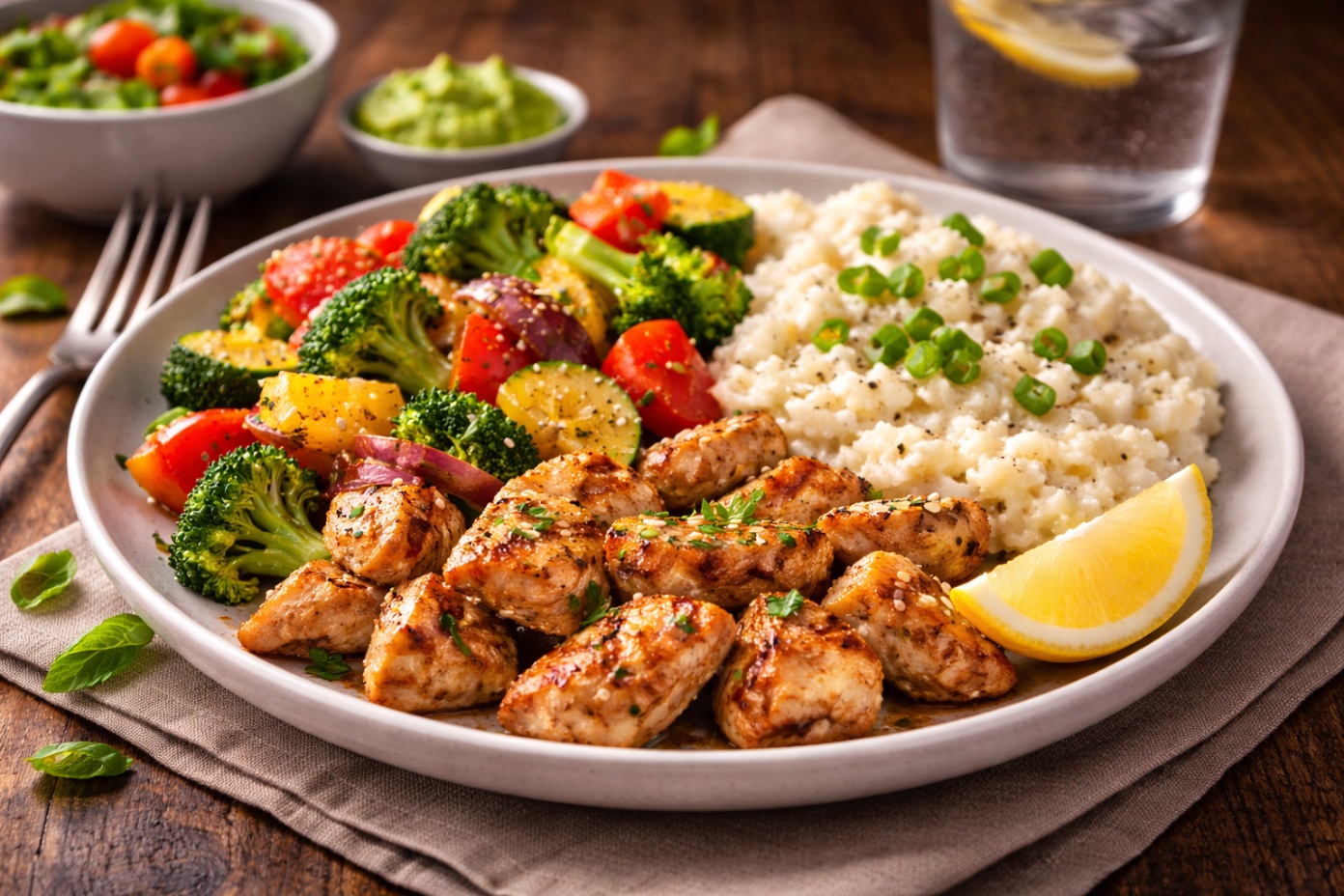
Pre-portion chicken, broccoli, snap peas, carrots, and sauce separately. Freeze and quickly stir-fry when needed. Serve over cauliflower rice or a small portion of brown rice.
Packaging and Reheating Tips
- Use airtight containers or freezer bags to prevent freezer burn
- Label with contents and date (most freezer meals last 2-3 months)
- Portion meals based on the diabetes plate method
- Reheat thoroughly to 165°F for food safety
- Add fresh vegetables when reheating to boost nutrition
The Role of Glycemic Index and Portion Control in Comfort Food
Understanding the glycemic index (GI) helps make informed choices about diabetic comfort food. According to Columbia University, the GI measures how quickly foods raise blood sugar on a scale from 0 to 100.
Glycemic Index Categories
| Category | GI Range | Examples |
|---|---|---|
| Low GI | 55 or less | Most vegetables, legumes, nuts, whole grains |
| Medium GI | 56-69 | Brown rice, whole wheat bread, sweet potatoes |
| High GI | 70 or above | White rice, white bread, russet potatoes |
Limitations of Glycemic Index
While useful, the GI has important limitations:
- GI measures foods in isolation, but we typically eat mixed meals
- Individual blood sugar responses vary based on genetics, activity level, and other factors
- Portion size matters more than GI alone
- Food preparation methods affect GI (cooling cooked starches lowers GI)
Important: GI Is Just One Tool
Don’t rely solely on glycemic index. Focus on overall meal balance, portion sizes, and personal blood sugar monitoring. A small portion of a higher GI food paired with protein and fiber may affect your blood sugar less than a large portion of a lower GI food eaten alone.
Visual Portion Control Tools
Effective portion control doesn’t require measuring every meal. Use these visual cues:
- Protein: Palm of your hand (3-4 oz)
- Carbohydrates: Cupped hand or tennis ball (1/2 to 3/4 cup)
- Fats: Thumb tip (1 tablespoon)
- Vegetables: Two hands cupped together (1-2 cups)
Pairing Protein and Fiber to Manage Blood Sugar Spikes
One of the most effective strategies for diabetic comfort food is strategically combining macronutrients. Research shows that pairing carbohydrates with protein, fiber, and healthy fats significantly reduces blood sugar spikes.
The Science Behind Food Pairing
When you eat carbohydrates alone, they digest quickly and cause rapid glucose elevation. Adding protein, fiber, and fat slows digestion through several mechanisms:
- Delayed gastric emptying: Protein and fat slow stomach emptying, gradually releasing carbohydrates into the small intestine
- Reduced glucose absorption rate: Fiber physically slows carbohydrate breakdown and absorption
- Hormonal response: Protein stimulates insulin secretion and reduces post-meal glucose elevation
- Satiety signals: Combined macronutrients promote fullness and prevent overeating
Practical Meal and Snack Pairings
Breakfast Combinations:
- Whole grain toast + scrambled eggs + avocado
- Steel-cut oats + Greek yogurt + berries + almonds
- Vegetable frittata + whole grain English muffin + tomato slices
Lunch and Dinner Ideas:
- Brown rice + grilled chicken + steamed broccoli with olive oil
- Whole wheat pasta + lean ground turkey + marinara + side salad
- Sweet potato + salmon + asparagus
- Quinoa + black beans + peppers + cheese (small amount)
Snack Pairings: According to Harvard Health, these combinations minimize blood sugar impact:
- Apple slices + natural peanut butter (1-2 tablespoons)
- Berries + handful of almonds
- Whole grain crackers + hummus + cucumber slices
- Greek yogurt + chia seeds + small amount of fruit
- Cheese stick + cherry tomatoes
Best Fruits and Snacks for Diabetic Comfort Eating
Many people with diabetes worry about fruit consumption, but research shows that whole fruits can be part of a healthy diabetic diet. A 2023 meta-analysis published in Frontiers in Endocrinology found that whole fruit consumption actually reduces fasting blood glucose levels.
Recommended Fruits for Diabetes
Recommended Fruits for Diabetes
Harvard Health recommends these blood sugar-friendly options:
Berries (Excellent choice – high fiber, low sugar):
- Strawberries (7g sugar per cup)
- Raspberries (5g sugar per cup)
- Blackberries (7g sugar per cup)
- Blueberries (15g sugar per cup – smaller portions)
Citrus Fruits (Rich in vitamin C and fiber):
- Clementines and small oranges
- Grapefruit (check medication interactions)
- Lemons and limes for flavoring
Other Good Options:
- Kiwis (small to medium size)
- Apples (with skin for fiber)
- Pears (with skin)
- Peaches and nectarines
Fruit Portion Guidelines
Harvard Health recommends up to three servings of whole fruit per day for people with diabetes, spaced throughout the day. A serving equals:
- 1 small to medium piece of whole fruit
- 1/2 cup fresh, frozen, or canned fruit (no added sugar)
- 3/4 to 1 cup of berries
Fruit Pairing for Blood Sugar Control
Always pair fruit with protein or fat to minimize blood sugar spikes. Examples: Apple with almond butter, berries with Greek yogurt, orange slices with a handful of walnuts.
Frozen and Dried Fruit Considerations
Frozen fruit: An excellent option with no added sugar. Often frozen at peak ripeness, retaining nutrients. Perfect for smoothies paired with protein powder or Greek yogurt.
Dried fruit: Use cautiously. Dehydration concentrates sugars significantly. If choosing dried fruit, limit to 1-2 tablespoons and always pair with nuts or seeds.
Comfort Food Snacks Beyond Fruit
- Nuts and seeds: Almonds, walnuts, pumpkin seeds (1/4 cup portions)
- Vegetable snacks: Carrots, celery, cucumber with hummus or guacamole
- Protein-rich options: Hard-boiled eggs, cheese sticks, edamame
- Low-fat dairy: Greek yogurt, cottage cheese with cinnamon
- Whole grain crackers: With nut butter or cheese (small portions)
Meal Planning and Prep Tips for Diabetic Comfort Food Success
Sustainable diabetes management requires planning and preparation. Here’s how to set yourself up for success with diabetic comfort food:
Weekly Planning Strategy
- Review your schedule: Identify busy days that need freezer meals or quick recipes
- Plan balanced meals: Use the diabetes plate method for each dinner
- Create a shopping list: Organize by store sections to save time
- Choose 2-3 batch cooking recipes: Make large portions for multiple meals
- Prep components ahead: Wash/chop vegetables, cook grains, prepare proteins
Shopping Tips for Diabetes-Friendly Ingredients
- Perimeter shopping: Focus on fresh produce, lean meats, and dairy
- Read labels carefully: Check total carbohydrates, fiber, and added sugars
- Buy frozen vegetables: Economical, no waste, nutrient-rich
- Stock pantry staples: Brown rice, quinoa, whole wheat pasta, canned beans (low sodium), olive oil, herbs and spices
- Choose whole grains: Look for “100% whole grain” as the first ingredient
Advanced Technique: Starch Retrogradation
According to Clemson University research, cooking, cooling, and reheating starchy foods increases resistant starch, which lowers their glycemic impact.
How it works: When rice, pasta, or potatoes cool after cooking, their starch molecules rearrange into a structure that resists digestion. This resistant starch acts more like fiber, passing through the small intestine without raising blood sugar as much.
Practical application:
- Cook rice, pasta, or potatoes
- Cool completely in the refrigerator (at least 12 hours)
- Reheat and enjoy with 20-30% lower glycemic impact
- This works well for meal prep and leftovers
Using Blood Glucose Monitoring for Personalization
Individual responses to foods vary significantly. Use continuous glucose monitoring (CGM) or regular glucometer testing to personalize your diet:
- Test before eating: Establish your baseline glucose level
- Test 1-2 hours after eating: Identify foods that spike your blood sugar
- Keep a food journal: Note what you ate, portion sizes, and glucose readings
- Identify patterns: Some people tolerate certain carbs better than others
- Adjust accordingly: Reduce portions or modify recipes based on your response
DASH Diet Benefits
A 2025 study in Nature Medicine showed that the DASH4D diet (modified DASH diet for diabetes) reduced average blood glucose by 11 mg/dL. This eating pattern emphasizes vegetables, fruits, whole grains, lean protein, and low-fat dairy while limiting sodium, added sugars, and saturated fats.
Frequently Asked Questions About Diabetic Comfort Food
Start with simple recipes from the CDC diabetes recipe collection. Easy options include turkey sloppy joes on whole grain buns, black bean chili with brown rice, vegetable frittatas, baked chicken with roasted vegetables, and whole wheat pasta with lean ground turkey and marinara sauce. Focus on batch cooking these recipes for convenience.
Yes. According to Harvard Health, people with diabetes can enjoy up to three servings of whole fruit daily. Best choices include berries (strawberries, raspberries, blackberries), citrus fruits (clementines, oranges), and other low-sugar options like kiwis and apples. Always pair fruit with protein or fat (like nuts or Greek yogurt) to minimize blood sugar spikes.
The glycemic index (GI) measures how quickly foods raise blood sugar. Lower GI foods (55 or less) like brown rice, whole grains, and legumes cause slower, more gradual increases in blood glucose. However, GI is just one factor. Portion size and food combinations matter more. Pairing higher GI foods with protein, fiber, and fat significantly reduces their blood sugar impact.
Starch retrogradation is a process where cooked starches (rice, pasta, potatoes) develop increased resistant starch when cooled and reheated. According to Clemson research, this can lower the glycemic impact by 20-30%. Simply cook your starches, refrigerate overnight, then reheat before eating. The resistant starch behaves more like fiber, slowing glucose absorption.
Modify recipes with these strategies: substitute whole grains for refined grains, use lean proteins instead of fatty meats, replace heavy cream with Greek yogurt, increase vegetables in every dish, reduce cheese and use as topping only, bake or grill instead of frying, and control portions using the diabetes plate method (1/2 plate vegetables, 1/4 protein, 1/4 carbs).
Absolutely. Michigan State University Extension recommends batch cooking meals like turkey sloppy joes, vegetable frittatas, bean chili, chicken stir-fry kits, and vegetable soups. Pre-portion meals using the diabetes plate method, freeze in airtight containers, and reheat thoroughly. Freezer meals ensure healthy options are always available, reducing reliance on convenience foods.
Harvard Health recommends up to three servings of whole fruit per day, spaced throughout the day rather than all at once. A serving equals one small to medium piece of fruit, 1/2 cup fresh or frozen fruit, or 3/4 to 1 cup of berries. Monitor your individual blood sugar response and pair fruit with protein or fat to minimize glucose spikes.
Choose snacks that combine carbohydrates with protein or fat: apple slices with peanut butter, berries with Greek yogurt, whole grain crackers with hummus, cheese stick with cherry tomatoes, handful of nuts with a small piece of fruit, or vegetables with guacamole. These combinations provide satisfaction while keeping blood sugar stable.
Portion control is critical for diabetes management. Even healthy, low-GI foods can spike blood sugar if eaten in large quantities. Use the diabetes plate method as a visual guide and hand-based portion sizes (palm for protein, cupped hand for carbs, thumb for fats). Pre-portioning freezer meals and using smaller plates can help maintain appropriate serving sizes.
Yes, with modifications and mindful eating. The key is balancing traditional flavors with diabetes-friendly ingredients, controlling portions, and monitoring blood sugar responses. Strategic ingredient swaps, proper food pairing, and healthier cooking methods allow you to enjoy comfort foods while managing blood glucose effectively. Diabetes doesn’t mean deprivation, it means making informed choices.
Conclusion: Embracing Diabetic Comfort Food for Long-Term Success
Managing diabetes doesn’t require abandoning the comfort foods you love. By understanding how ingredients affect blood sugar, making strategic swaps, controlling portions, and using smart cooking techniques, you can create satisfying meals that nourish both body and soul.
The foundation of successful diabetic comfort food includes choosing low glycemic index carbohydrates, lean proteins, fiber-rich vegetables, and healthy fats. Pairing carbohydrates with protein and fiber significantly reduces blood sugar spikes. The diabetes plate method provides a simple visual guide for balanced meals. Batch cooking and freezer-friendly recipes ensure healthy options are always available.
Remember that diabetes management is highly individual. Use blood glucose monitoring to understand your personal responses to different foods. Work with your healthcare team to develop a meal plan that supports your metabolic health while honoring your cultural food traditions and personal preferences.
Take Action Today
Start with one small change: Choose a comfort food recipe from this article and modify it using the strategies discussed. Test your blood sugar before and after eating to see how your body responds. Small, sustainable changes build the foundation for long-term diabetes management success.
With the right tools, knowledge, and recipes, diabetic comfort food can become a regular part of your healthy lifestyle. You deserve meals that bring both joy and optimal blood sugar control.
References
- Centers for Disease Control and Prevention. “Tasty Recipes for People with Diabetes.” https://www.cdc.gov/diabetes/pdfs/managing/Tasty_Recipes_for_People_with_Diabetes-508.pdf
- Harvard Health Publishing. “Blood sugar-friendly fruits if you have diabetes.” https://www.health.harvard.edu/diseases-and-conditions/blood-sugarfriendly-fruits-if-you-have-diabetes
- University of Alabama Health Sciences Library. “Diabetes Self-Management Education: Nutrition.” https://libraryguides.cchs.ua.edu/diabetes-ed/nutrition
- Columbia University Irving Medical Center. “What is the Glycemic Index?” https://www.cuimc.columbia.edu/news/what-glycemic-index
- Michigan State University Extension. “Make your own healthy, diabetes-friendly freezer meals.” https://www.canr.msu.edu/news/make_your_own_healthy_diabetes_friendly_freezer_meals
- Clemson Cooperative Extension Home & Garden Information Center. “Starch Retrogradation: A Method for Post-Mealtime Blood Sugar Management in Individuals with Diabetes.” https://hgic.clemson.edu/factsheet/starch-retrogradation-a-method-for-post-mealtime-blood-sugar-management-in-individuals-with-diabetes/
- National Institute of Diabetes and Digestive and Kidney Diseases. “Diabetes & Healthy Living with Diabetes.” https://www.niddk.nih.gov/health-information/diabetes/overview/healthy-living-with-diabetes
- National Heart, Lung, and Blood Institute. “DASH Eating Plan.” https://www.nhlbi.nih.gov/education/dash-eating-plan
- NC State Extension. “At the Table: Family Consumer Sciences.” https://sampson.ces.ncsu.edu/family-consumer-sciences-4/at-the-table/
- University of Arizona Cooperative Extension. “Culinary Medicine.” https://extension.arizona.edu/sites/default/files/2025-02/Culinary-Medicine-1737477786-print.pdf
Disclaimer:
The information provided on MD-Pilot is for educational and informational purposes only. It is not intended as a substitute for professional medical advice, diagnosis, or treatment. Always seek the advice of your physician or other qualified healthcare provider with any questions you may have regarding a medical condition. Never disregard professional medical advice or delay in seeking it because of something you have read on this website.


Weekly Health Intel
Get evidence-based health tips, latest research, and exclusive guides delivered weekly